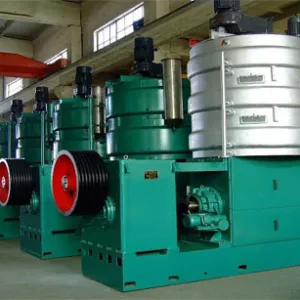
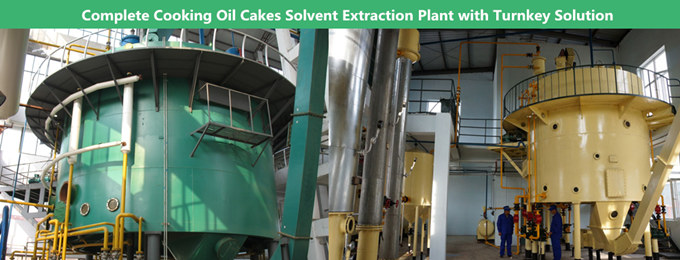
Operating solvent extraction sesame oil equipment efficiently demands rigorous control over key parameters such as desolventizing temperature, solvent circulation efficiency, and system pressure stability. Minor deviations in these parameters can lead to elevated solvent residues, jeopardizing oil quality and safety compliance in industrial oil production. Drawing from extensive field experience and in-depth equipment knowledge, this guide synthesizes authoritative solutions for equipment maintenance, fault diagnosis, and parameter optimization tailored for technical supervisors and maintenance teams in small to large-scale oil mills.
The foundation of minimizing solvent residue begins with precise regulation of desolventizing temperature. Typically, maintaining this temperature between 100°C to 115°C ensures efficient solvent evaporation without degrading oil quality. Temperatures below 100°C may cause incomplete solvent removal, while exceeding 115°C risks oil oxidation.
Next, optimizing solvent circulation efficiency is paramount. Efficient solvent recycling not only reduces fresh solvent consumption but also prevents solvent accumulation in the extraction chamber. Ideal solvent circulation rates align closely with equipment design specifications, often ranging from 25 to 40 liters per minute depending on the system size.
Lastly, maintaining pressure stability within extraction vessels directly impacts solvent retention and equipment safety. Sudden fluctuations—often caused by pump malfunctions or valve failures—can lead to solvent leaks and operational hazards. The recommended pressure differential should be consistently monitored, maintaining within ±5% of the setpoint.
To sustainably lower solvent residues, proactive maintenance is essential. For example, periodic inspection and timely replacement of packing gaskets, solvent seals, and heat exchanger tubes prevent leaks and thermal inefficiencies. Wear parts typically reach their service limits between 12 to 18 months under continuous operation, depending on solvent type and operating conditions.
Maintenance personnel should establish detailed schedules augmented with condition-based monitoring, such as ultrasonic leak detectors and thermal imaging cameras, to detect early signs of deterioration.
Additionally, safety protections—like automatic pressure relief valves and solvent vapor sensors—must be regularly calibrated to ensure prompt response to abnormal situations, safeguarding both product quality and personnel.
Experienced engineers frequently encounter issues such as blockages in solvent injection lines or leakages around seals and flanges. Rapid identification and resolution rely on a systematic approach:
| Fault | Cause | Remedy |
|---|---|---|
| Solvent Injection Line Blockage | Residual oil solidification or foreign particles | Flush system with suitable solvent; install fine mesh filters |
| Seal Leakage at Flange | Gasket wear or improper tightening | Replace gasket; torque bolts to manufacturer specs |
| Pressure Fluctuation | Pump malfunction or valve blockage | Inspect pump operation; clean or replace valves |
Prompt fault rectification not only curtails solvent residue but also prevents secondary damages and costly downtime. Reported case studies highlight time-to-fix improvements from 8 hours to under 3 hours following disciplined troubleshooting protocols.
According to seasoned engineers, one common mistake is inaccurate temperature control due to sensor miscalibration. This error results in underheating or overheating, with respective solvent residues increasing by approximately 20–35%. Regular sensor calibration and cross-verification with manual thermometers can mitigate this risk.
Another frequent issue is neglecting solvent circulation pump maintenance, causing gradual performance degradation and uneven solvent supply. Proactive replacement of pump bearings and seals every 6 months improves circulation stability beyond 95%, directly contributing to oil purity.
"Consistent parameter monitoring combined with preventive maintenance decreases solvent residue by up to 30% annually and boosts equipment uptime to 97%," shares a senior process engineer with 15+ years' experience managing solvent extraction lines.
Effectively lowering solvent residue safeguards not only product safety but also ensures compliance with increasingly strict international oil quality standards, such as those from the FDA and EFSA. By harmonizing technical controls with robust maintenance workflows, oil producers uphold chemical residue limits below 10 parts per million (ppm), a benchmark for market acceptance across North America and Europe.
Integrating digital automation tools—such as PLC-based real-time monitoring and automated alerts—allow operators to swiftly adjust desolventizing temperature and solvent circulation parameters, maximizing operational consistency.

 430
|
430
|
 multifunctional screw oil press
grain and oil processing equipment
modular pressing chamber
energy-efficient oil press
automatic slag discharge system
multifunctional screw oil press
grain and oil processing equipment
modular pressing chamber
energy-efficient oil press
automatic slag discharge system
 68
|
sesame oil formulation
natural skincare oils
food seasoning oils
unsaturated fatty acids
antioxidants
68
|
sesame oil formulation
natural skincare oils
food seasoning oils
unsaturated fatty acids
antioxidants
 126
|
sesame oil extraction process
cold pressed sesame oil
hot pressed sesame oil
solvent extraction sesame oil
sesame oil production line planning
126
|
sesame oil extraction process
cold pressed sesame oil
hot pressed sesame oil
solvent extraction sesame oil
sesame oil production line planning
 100
|
low temperature sesame oil press
cold press sesame oil equipment
sesame oil production solution
sesame oil press selection guide
Qie Group
100
|
low temperature sesame oil press
cold press sesame oil equipment
sesame oil production solution
sesame oil press selection guide
Qie Group
 159
|
cold press sesame oil machine
oxygen-free extraction
low-temperature oil pressing
sesame oil nutrient preservation
cold-pressed sesame oil process
159
|
cold press sesame oil machine
oxygen-free extraction
low-temperature oil pressing
sesame oil nutrient preservation
cold-pressed sesame oil process






.jpg?x-oss-process=image/resize,m_fill,h_300,w_300/format,webp)