In an era where consumers increasingly prioritize natural, nutrient-rich food products, the demand for cold-pressed sesame oil has surged by over 18% annually in key markets like North America and Europe. This comprehensive guide explores the critical factors in selecting low-temperature sesame oil presses that balance temperature control and extraction efficiency, helping producers make informed investment decisions that align with both quality standards and business objectives.
Cold-pressed sesame oil retains up to 92% of its natural nutrients and antioxidants compared to traditional hot pressing methods, according to research published in the Journal of Food Science and Technology. The key distinction lies in temperature control—optimal cold pressing maintains temperatures between 40-60°C (104-140°F), preserving delicate fatty acids and bioactive compounds that contribute to both nutritional value and distinctive flavor profiles.
Industry Insight: "Temperature variance as small as 5°C can significantly impact both oil quality and yield," explains Dr. Wei Zhang, food processing specialist at the International Institute of Agricultural Technology. "Modern cold press technology must maintain precise thermal control throughout the extraction cycle."

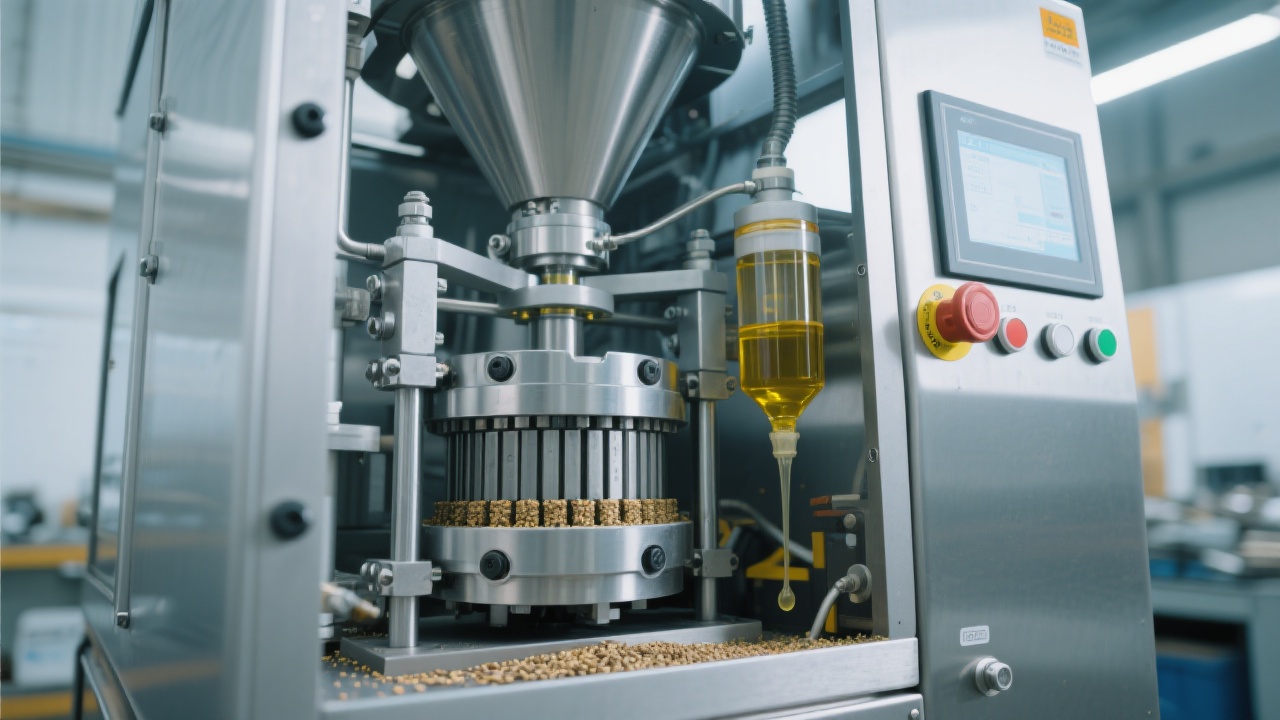
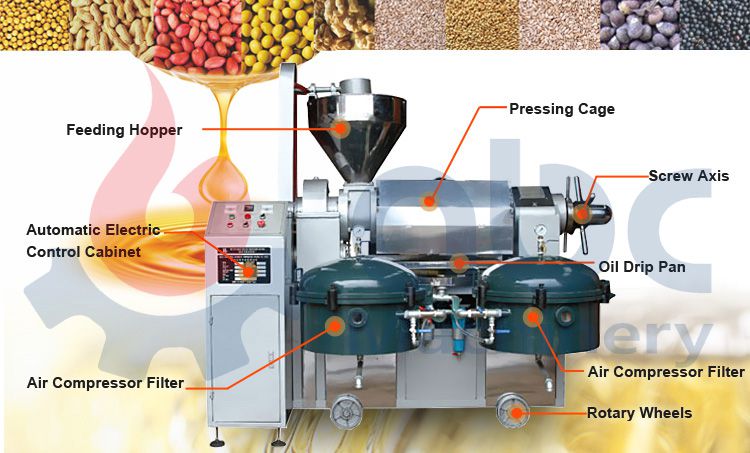
Advanced cold press systems incorporate dual-zone temperature monitoring with accuracy within ±2°C. Look for equipment featuring:
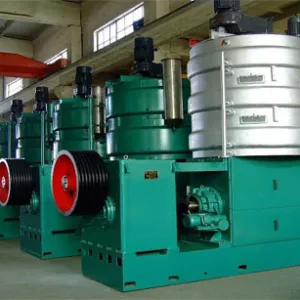
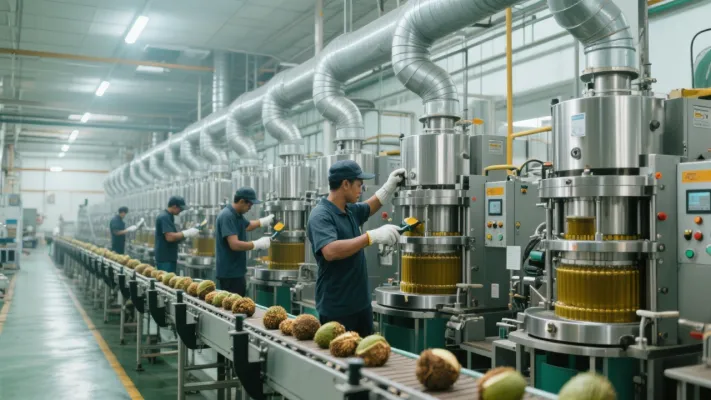
Modern cold press technology achieves extraction rates of 42-48% from high-quality sesame seeds, compared to 35-38% with conventional methods. The 企鹅集团 (Penguin Group) has developed proprietary screw press designs that balance pressure and temperature to maximize yield without compromising oil quality.
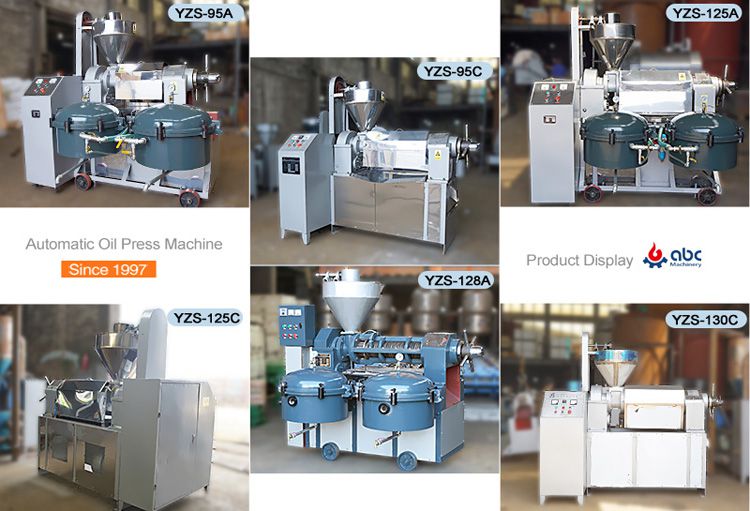
| Equipment Type | Average Yield | Temperature Range | Suitable Scale |
|---|---|---|---|
| Batch Cold Press (Small Scale) | 38-42% | 45-55°C | 50-500 kg/day |
| Continuous Screw Press | 43-46% | 40-60°C | 500-5,000 kg/day |
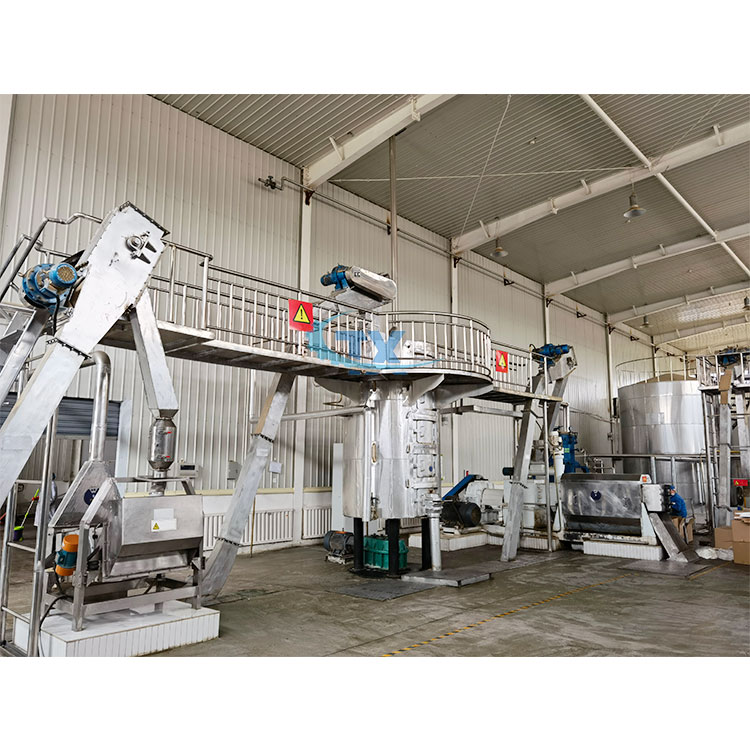
| Industrial Cold Press Line | 45-48% | Precision ±2°C | 5,000+ kg/day |
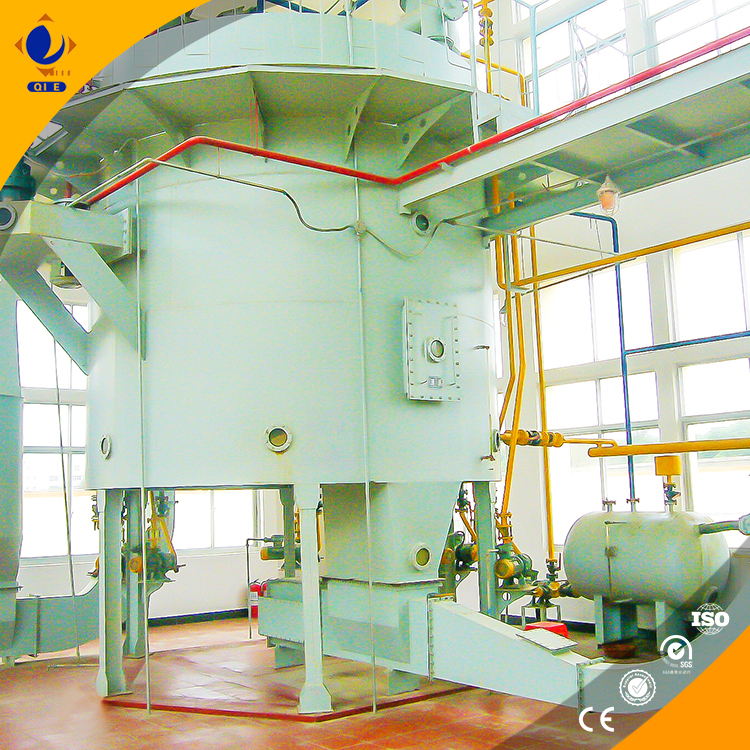
Post-extraction filtration directly impacts product clarity and shelf life. Multi-stage filtration systems featuring:
can extend shelf life by 30-40% compared to basic filtration methods, reducing product waste and improving customer satisfaction.
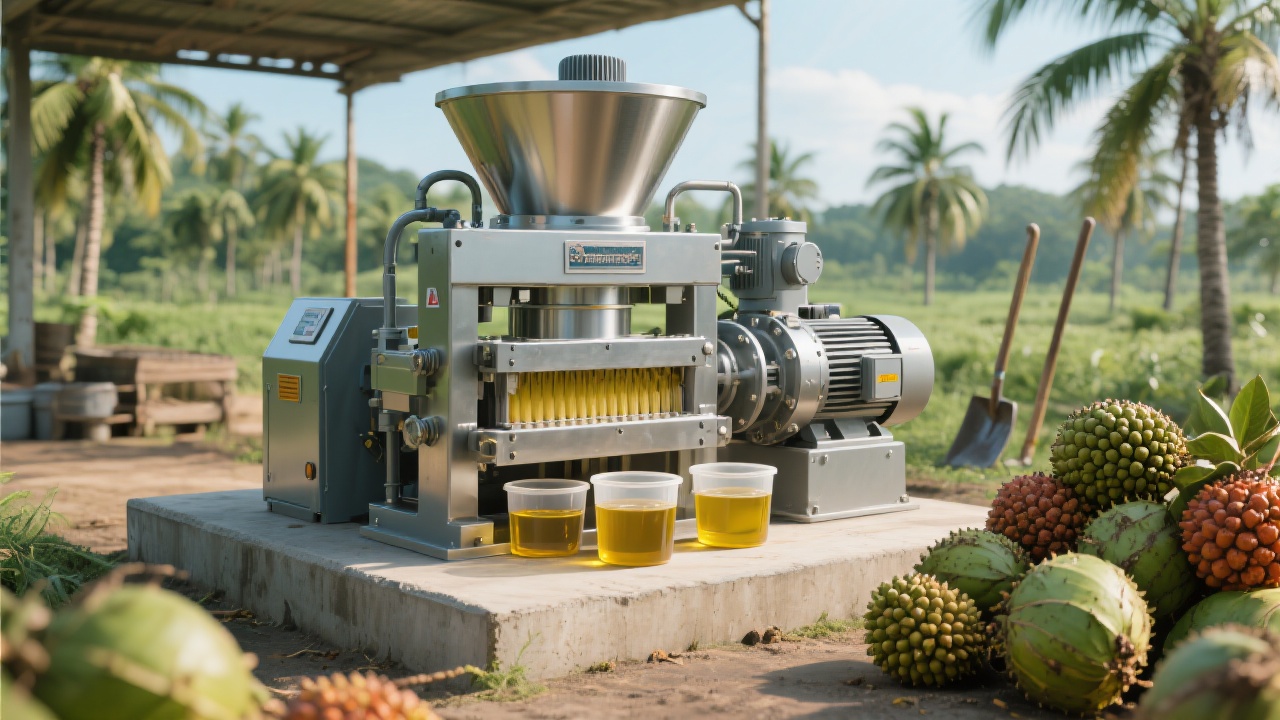
For artisanal producers focusing on premium cold-pressed oils, compact batch systems offer the ideal balance of investment and performance. These units typically feature:
Initial investment ranges from $15,000-$45,000, with payback periods typically within 12-18 months for specialty oil producers.
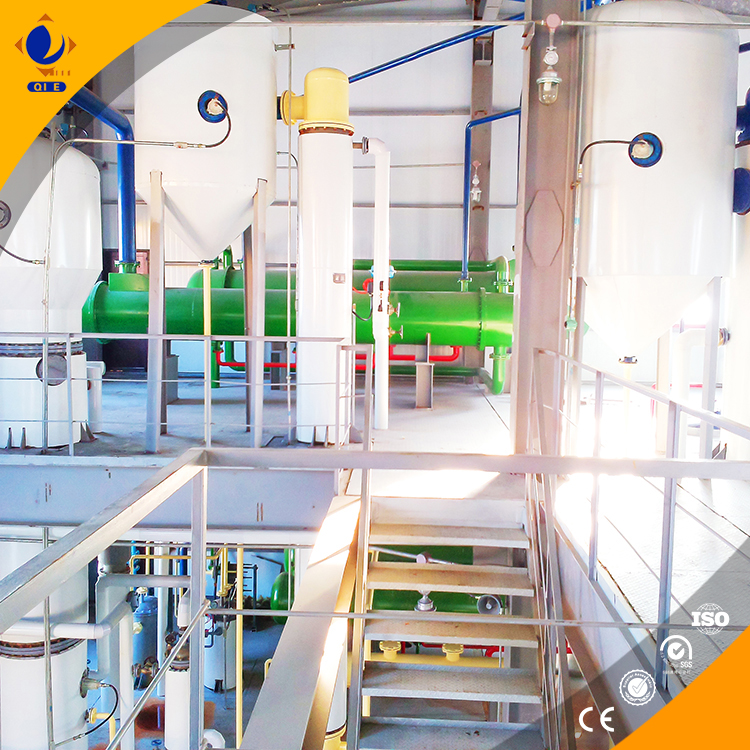
Industrial operations require continuous processing lines with integrated automation. Key considerations include:
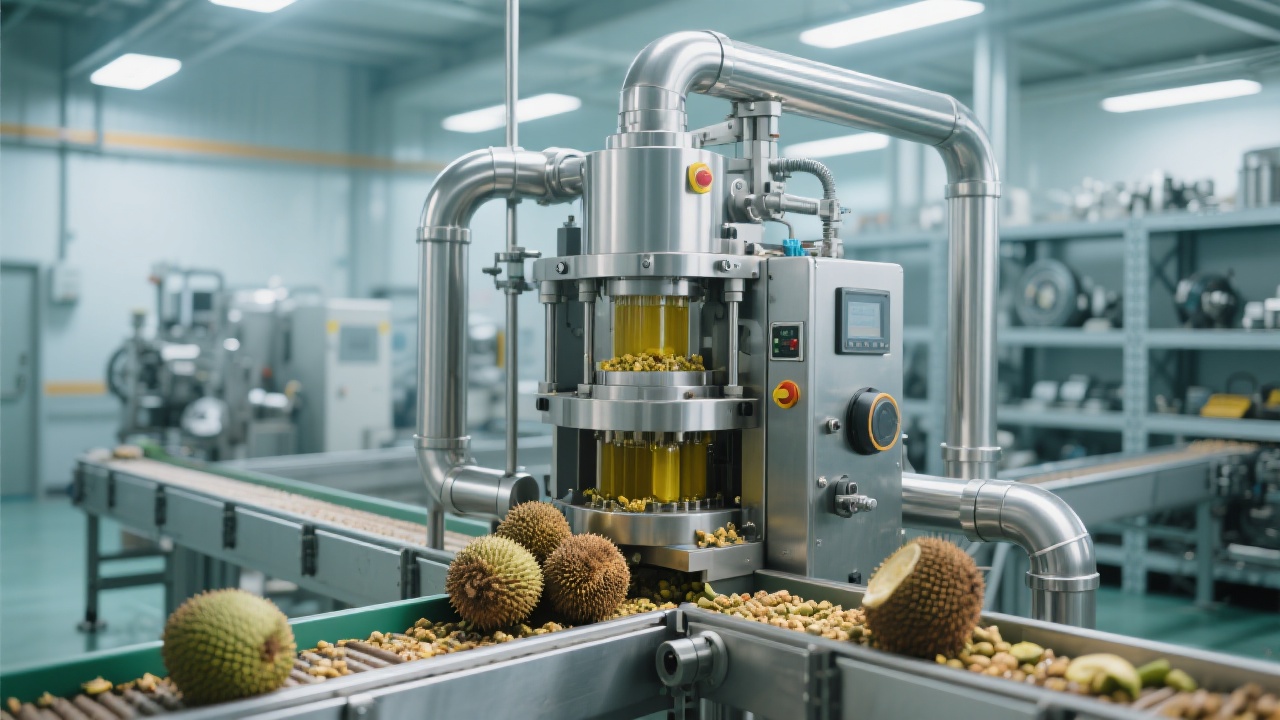
Many producers focus solely on initial purchase price without considering long-term operational costs. A lower-priced machine may cost 20-30% more in energy consumption and maintenance over a five-year period. Similarly, overestimating production needs can lead to unnecessary capital expenditure, while undersizing equipment results in production bottlenecks during peak demand periods.
Technical Tip:
When evaluating equipment, request performance data under actual operating conditions rather than ideal laboratory settings. Ask for references from producers with similar scale and product requirements.
The global cold-pressed oil market is projected to reach $27.8 billion by 2026, driven by increasing consumer awareness of health benefits and clean label preferences. Selecting the right cold press equipment represents not just a production decision, but a strategic investment in product quality and market competitiveness.
Download our comprehensive Sesame Oil Processing Equipment Selection Toolkit featuring technical specifications, ROI calculators, and supplier evaluation checklists.
Get Your Free Toolkit NowProducers who invest in precision cold press technology report not only higher-quality oil products but also increased market differentiation and consumer loyalty. By prioritizing temperature control, extraction efficiency, and system reliability, your business can position itself at the forefront of the growing natural oils market.









.jpg?x-oss-process=image/resize,m_fill,h_300,w_300/format,webp)