In the realm of sesame oil production, temperature control stands as a critical factor influencing both the quality and quantity of the final product. This guide delves into the nuances of temperature management in sesame oil manufacturing, comparing industrial-grade and small-scale equipment to provide practical insights for producers.
The journey of sesame oil production begins with the pretreatment of raw materials. Cleaning, drying, and crushing are essential steps that significantly impact subsequent processing. For instance, proper drying can reduce the moisture content of sesame seeds to around 5-7%, which is crucial for efficient oil extraction. If the moisture content is too high, it can lead to lower oil yields and affect the quality of the oil. A well-crushed sesame seed with a particle size of about 2-3mm can expose more oil cells, facilitating better oil release during the extraction process.
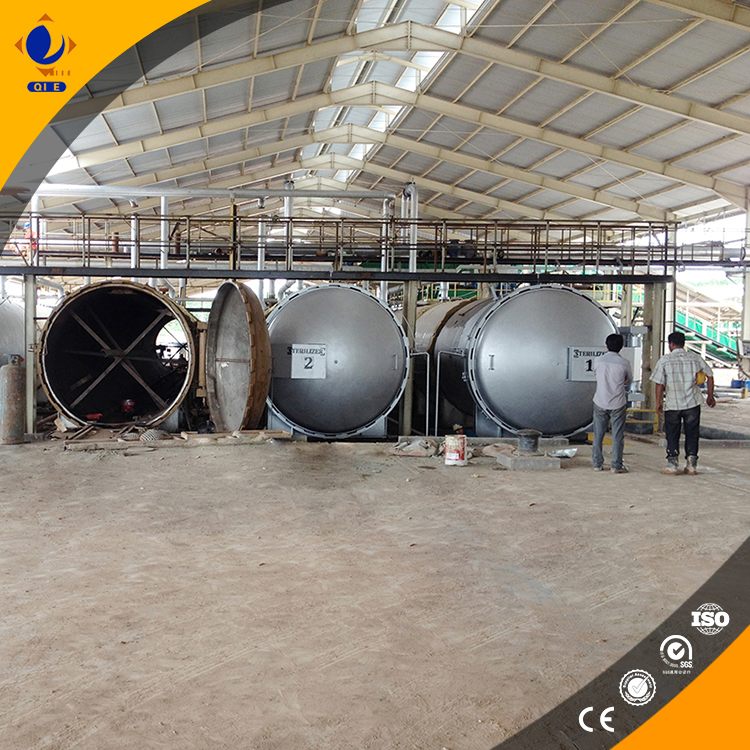
There are two primary methods for extracting sesame oil: pressing and solvent extraction. Pressing is a mechanical process that uses pressure to squeeze oil from the seeds. It is suitable for small-scale producers and those who prefer a more natural extraction method. In pressing, the temperature during the process can range from 60°C - 80°C, which helps to increase the fluidity of the oil and improve the extraction rate. However, if the temperature is too high, it may cause the oil to oxidize and develop an unpleasant odor.
Solvent extraction, on the other hand, is a more efficient method commonly used in large-scale industrial production. It involves using a solvent to dissolve the oil from the seeds. The temperature in solvent extraction needs to be carefully controlled, usually around 50°C - 60°C, to ensure the safety of the solvent and the quality of the oil. This method can achieve an extraction rate of up to 95% or more, compared to about 80 - 90% in pressing.
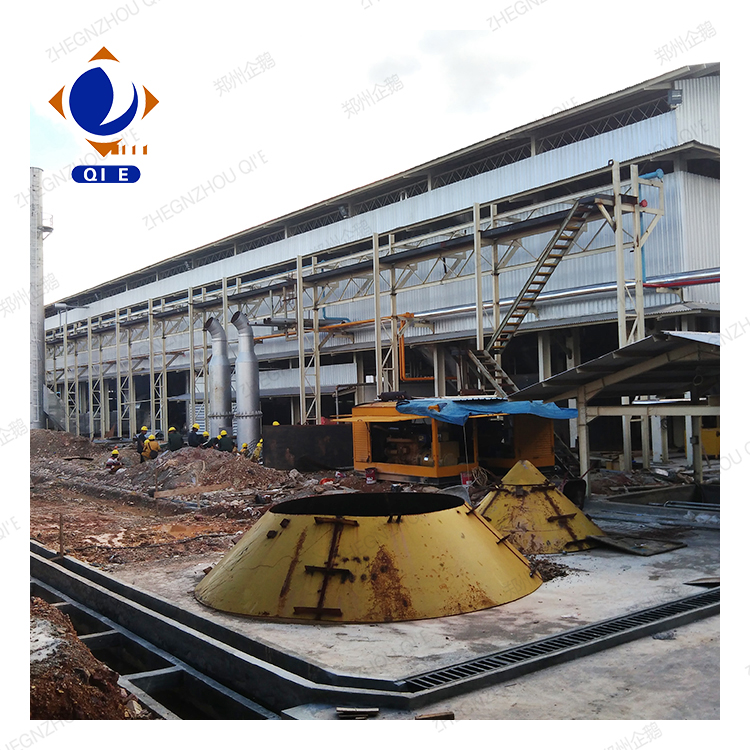
Temperature control plays a vital role in maintaining the quality of sesame oil. In both pressing and solvent extraction processes, the right temperature can prevent the oil from deteriorating, such as reducing the formation of free fatty acids and maintaining the natural flavor and aroma of the sesame oil. For example, during the refining process, controlling the temperature at 80°C - 90°C can effectively remove impurities while minimizing the loss of nutrients in the oil.
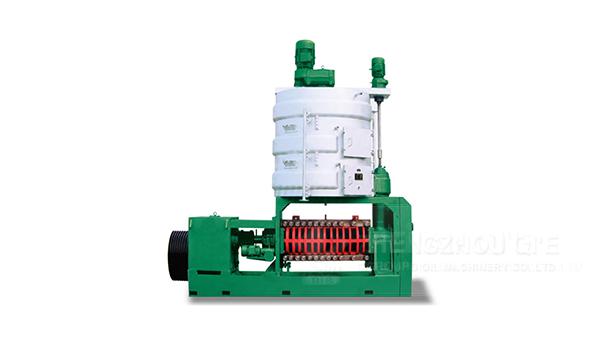
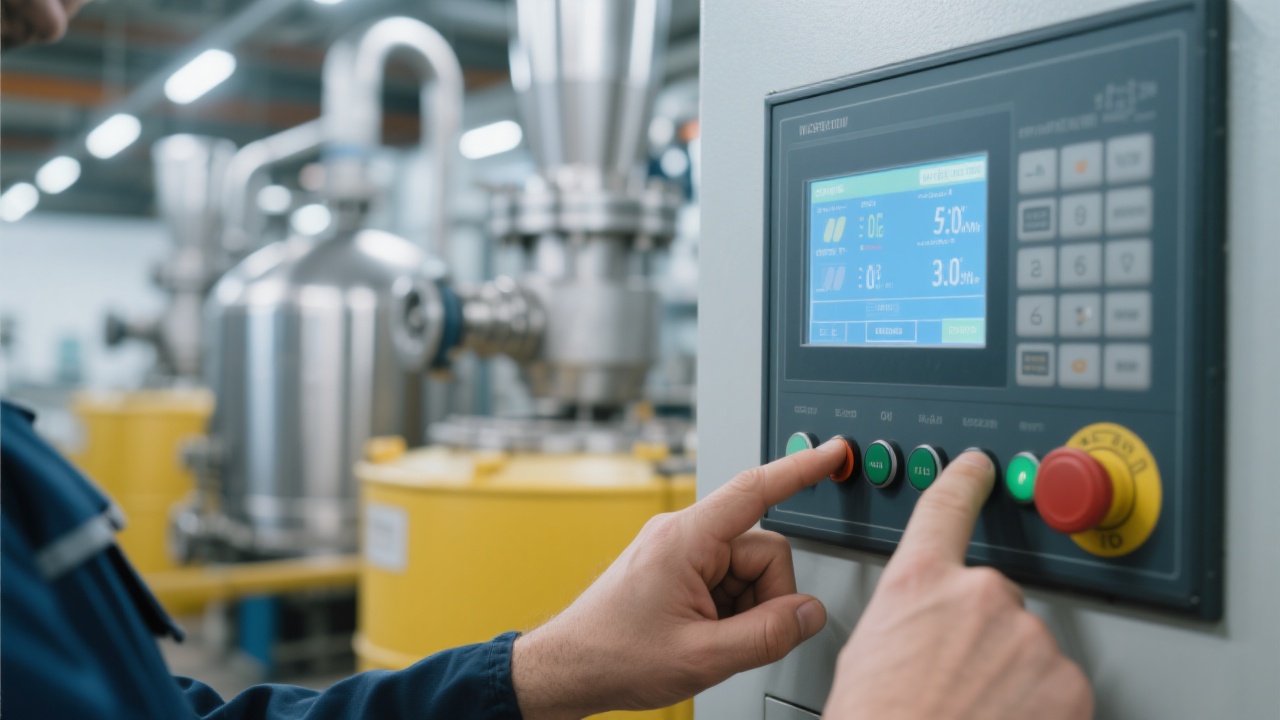
In addition, different types of equipment (industrial and small-scale) have different temperature control capabilities. Industrial-grade machines often have more precise temperature control systems, which can ensure consistent oil quality in large-scale production. Small-scale equipment, while more flexible, may require more manual adjustment to maintain the optimal temperature.
After extraction, filtration and degumming are crucial steps to improve the purity of the oil. Filtration helps to remove solid impurities, while degumming removes phospholipids and other gums. The temperature during these processes also needs to be controlled. For filtration, maintaining a temperature of 50°C - 60°C can ensure better fluidity of the oil and more efficient removal of impurities. In degumming, a temperature of around 60°C - 70°C is often used to facilitate the separation of gums from the oil.
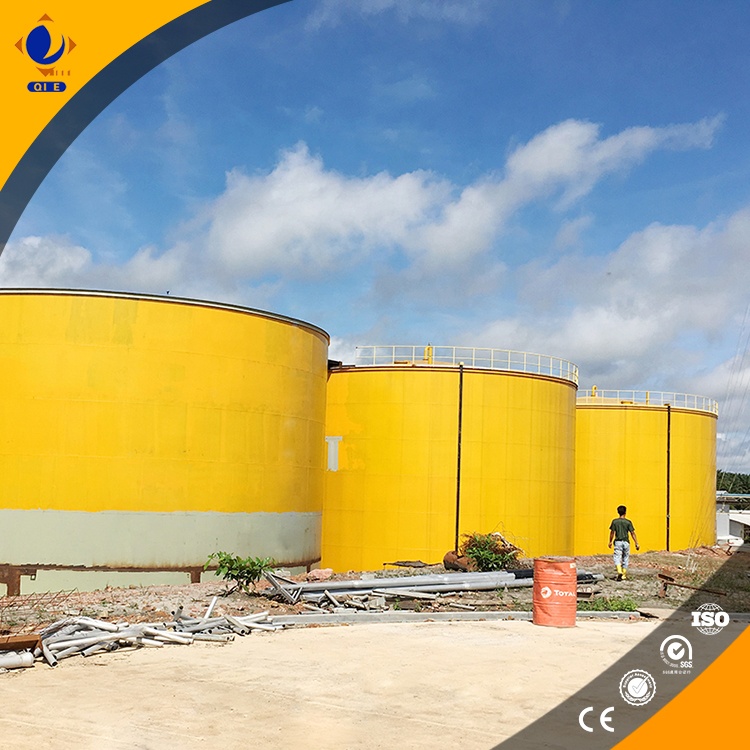
To illustrate the importance of temperature control, let's look at some real-world case studies. A small sesame oil producer once faced the problem of low oil yield. After analyzing the process, it was found that the temperature during pressing was too low, resulting in incomplete oil release. By adjusting the temperature to the optimal range, the oil yield increased by about 10%. Another case involved an industrial producer who noticed an unpleasant odor in the oil. The root cause was identified as excessive temperature during solvent recovery. By optimizing the temperature control system, the odor problem was effectively solved.
Ready to enhance your sesame oil production? Discover the right sesame oil manufacturing machine for your needs at https://oilproductionprocess.com/products/sesame-cooking-oil-making-machine.html?Marketing=CAT.

 343
|
343
|
 Environmentally friendly peanut oil extractor
Medium - sized peanut oil press
African peanut oil equipment
European agricultural machinery
High - efficiency oil press
Environmentally friendly peanut oil extractor
Medium - sized peanut oil press
African peanut oil equipment
European agricultural machinery
High - efficiency oil press
 346
|
automatic sesame oil press maintenance
sesame oil extraction machine troubleshooting
industrial sesame oil equipment care
automated oil pressing system optimization
sesame oil processing plant upkeep
346
|
automatic sesame oil press maintenance
sesame oil extraction machine troubleshooting
industrial sesame oil equipment care
automated oil pressing system optimization
sesame oil processing plant upkeep
 71
|
oilseed preprocessing equipment
high-efficiency plant oil production solutions
customized oilseed processing technology
71
|
oilseed preprocessing equipment
high-efficiency plant oil production solutions
customized oilseed processing technology
 149
|
multifunctional peanut oil refining equipment
peanut oil processing equipment for large-scale production
refining equipment to increase export sales
417
|
peanut oil production process
hot vs cold pressing benefits
sustainable reuse of peanut cake
149
|
multifunctional peanut oil refining equipment
peanut oil processing equipment for large-scale production
refining equipment to increase export sales
417
|
peanut oil production process
hot vs cold pressing benefits
sustainable reuse of peanut cake





.jpg?x-oss-process=image/resize,m_fill,h_300,w_300/format,webp)

.jpg?x-oss-process=image/resize,m_fill,h_400,w_400/format,webp)