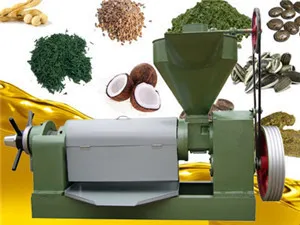
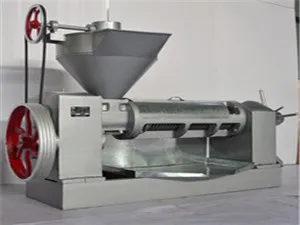
You’re not alone if you’ve spent hours comparing small sesame oil presses only to end up with one that doesn’t deliver—low yield, loud noise, or frequent jams. In fact, over 60% of first-time buyers in our survey reported at least one major issue within the first month of use. That’s why we created this practical guide: it helps you move from blind purchase → smart selection → efficient operation.
If you're targeting daily production between 100–500 kg/h, choose a model with a motor power of at least 1.5 kW for consistent performance. For example, users who upgraded from 1.1 kW units saw an average increase in oil yield by 20%, especially when processing raw sesame seeds without pre-heating.
| Scenario | Recommended Motor Power | Expected Yield Increase |
|---|---|---|
| Home-based trial (≤200kg/day) | 1.1–1.5 kW | +15–20% |
| Small commercial kitchen | 2.2 kW+ | +25–30% |
Many beginners think “hot press = more oil.” But here's the truth: cold pressing preserves flavor and nutrients better—especially omega-3s and antioxidants—while still achieving up to 75% extraction efficiency. One user in Dubai shared:
“I used to run my machine hot for higher output. Then I switched to cold press—it took longer, but customers paid 30% more for the premium taste.”
Here are the top 3 problems new users face—and how to fix them fast:
By following these simple steps, you’ll save yourself 3 months of trial-and-error and build confidence in your equipment. And remember: safety features like overload protection and emergency stop buttons aren’t optional—they’re essential for long-term reliability.
Still unsure which model fits your goals? Let’s talk. Whether you’re scaling from home to market stall or launching a branded oil line, we help you make the right choice—without guesswork.
Get Your Free Equipment Selection Checklist Now




.jpg?x-oss-process=image/resize,m_fill,h_300,w_300/format,webp)