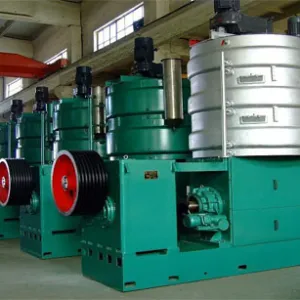
You've probably found that using a small sesame oil press in your home workshop brings convenience and the joy of self - made oil. However, like any piece of equipment, it comes with its own set of challenges. Let's first look at the usage characteristics and common pain points of these machines in a home setting.
In a home environment, your small sesame oil press is likely to be used intermittently. You might not be operating it at full capacity all the time, but even so, you could face issues such as poor oil output, unpleasant odors, and equipment corrosion. These problems can not only affect the quality of the oil you produce but also shorten the lifespan of your machine. And that's where proper cleaning and maintenance come in.
The cold - pressing process, which is often used in these small machines, has a unique impact on equipment cleaning and maintenance. Cold - pressing retains more nutrients in the oil but also leaves more residues in the machine. These residues can accumulate over time, leading to clogging and affecting the performance of the press. Understanding this relationship is crucial for effective maintenance.
Start by removing the filter. You can soak it in warm, soapy water for about 15 - 20 minutes. Then, use a soft brush to gently scrub away the oil and debris. Rinse it thoroughly under running water and let it dry completely before reinstalling. This helps to ensure smooth oil flow and avoid blockages.
For the press chamber, you can use a dry cloth to wipe away any visible oil and sesame residues. Then, use a small amount of food - grade cleaning agent and a soft sponge to clean the inner walls. Rinse it well to remove any cleaning agent residue. This step helps to prevent the formation of odors and ensures the quality of the oil.
The motor is the heart of your machine. Use a clean, dry cloth to wipe the exterior of the motor. Make sure to keep it away from water to avoid short - circuits. If there is excessive dust, you can use a small vacuum cleaner with a soft brush attachment to gently remove it.
| Frequency | Maintenance Items |
|---|---|
| Weekly | Clean the filter, wipe the press chamber, check the tightness of screws |
| Monthly | Lubricate moving parts, inspect the motor for any signs of wear |
| Quarterly | Check the electrical connections, perform a comprehensive cleaning of the entire machine |
You may encounter some common problems, such as jams, strange noises, or abnormal temperature rises. For example, if your machine starts to make a loud noise, it could be due to loose parts or lack of lubrication. Regular maintenance can help you detect and prevent these issues before they become serious. By following the maintenance schedule and cleaning process, you can avoid costly repairs and keep your machine running smoothly.
Always remember to follow safety procedures when using your sesame oil press. Unplug the machine before cleaning and maintenance. Also, use only food - grade cleaning agents to ensure the safety of the oil you produce. By developing good safety habits and following the maintenance guidelines, you can not only extend the lifespan of your machine but also improve the efficiency of your home - made oil production and avoid waste.
Many users have shared their experiences. For example, one user said that after following the proper cleaning and maintenance routine, their machine's lifespan was extended by several years, and the oil quality improved significantly. These real - life stories show that with a little effort, you can make your home oil - making experience more professional and efficient.
Do you have any experiences or questions about maintaining your small sesame oil press? Leave a comment below and share your thoughts! And if you want to learn more about professional maintenance and improvement of your oil - making process, click here.





.jpg?x-oss-process=image/resize,m_fill,h_300,w_300/format,webp)