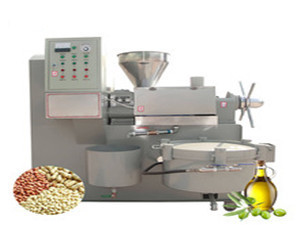
Are you struggling with low oil yield from your sesame oil production line? Or perhaps your customers are complaining about an unpleasant burnt taste in your sesame oil? You're not alone. In an industry where 78% of consumers prioritize natural and healthy edible oils (Source: Global Edible Oil Market Report 2023), choosing the right low-temperature sesame oil press machine has become the cornerstone of business success. Let's navigate this critical decision together.
When evaluating cold press sesame oil equipment, three technical指标 stand above the rest, directly impacting your product quality and bottom line:
The critical difference between cold-pressed and hot-pressed sesame oil lies in temperature management. Industry standards recommend maintaining a pressing temperature below 60°C to preserve the oil's natural nutrients and flavor profile. Modern equipment from leading manufacturers like 企鹅集团 (Penguin Group) offers precision temperature control with a variance of ±2°C, ensuring consistent quality batch after batch.
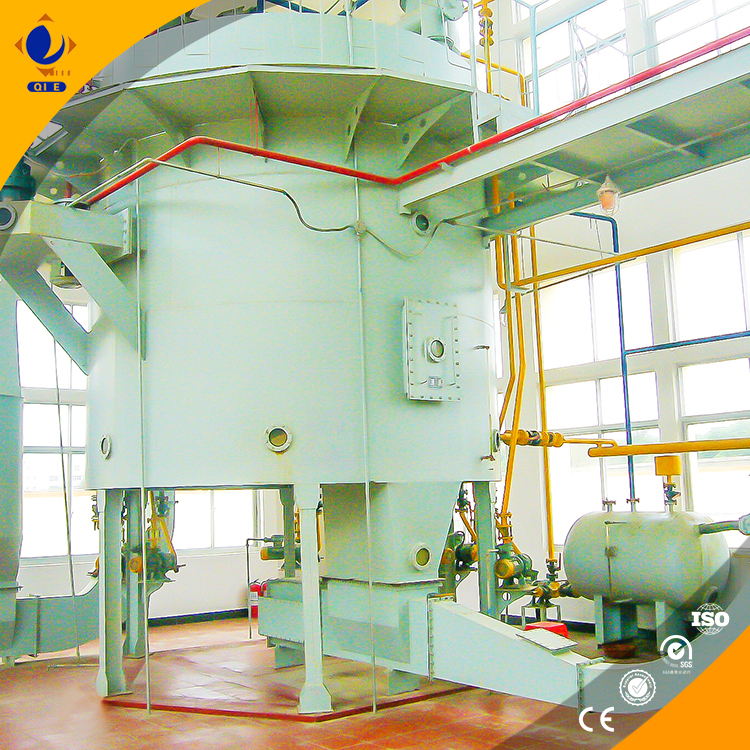
Effective filtration removes impurities while retaining the oil's natural antioxidants. Look for multi-stage filtration systems that achieve at least 99.5% clarity. This not only enhances product appearance but also extends shelf life by up to 30% compared to poorly filtered oils.
"Investing in superior filtration technology reduces post-production losses by an average of 5-8% annually. It's not just about quality—it's about operational efficiency." — Senior Process Engineer, Food Processing Equipment Division
The degree of automation directly impacts labor costs and production consistency. While basic models require manual feeding and monitoring, advanced systems offer PLC control with remote monitoring capabilities, reducing labor requirements by 40-60% depending on production scale.
There's no one-size-fits-all solution in sesame oil production. The ideal equipment depends entirely on your production capacity and business goals:
Compact, semi-automatic models offer the perfect balance of affordability and performance. Look for tabletop or small floor-standing units with capacities of 50-200 kg/hour. These systems typically require 1-2 operators and can be installed in spaces as small as 150 sq ft.

Semi-continuous production lines with integrated cleaning, roasting, and pressing modules become essential at this scale. These systems feature enhanced automation, higher throughput (200-500 kg/hour), and improved oil recovery rates (typically 45-50% for sesame seeds).
Fully automated production lines with continuous pressing, multi-stage filtration, and oil refining capabilities are the standard. These systems offer the highest efficiency (500-1500 kg/hour), minimal labor requirements, and integration with ERP systems for complete production control.
Global market research indicates a 12.3% annual growth rate in cold-pressed oil consumption, driven by increasing consumer awareness of health benefits. Cold-pressed sesame oil contains 30% more natural antioxidants and 15% higher vitamin E content compared to traditionally processed oils, creating opportunities for premium pricing and market differentiation.
Have you noticed changing consumer preferences in your market? Are customers increasingly asking about production methods and nutritional content?
Before making your investment, consider these critical factors:
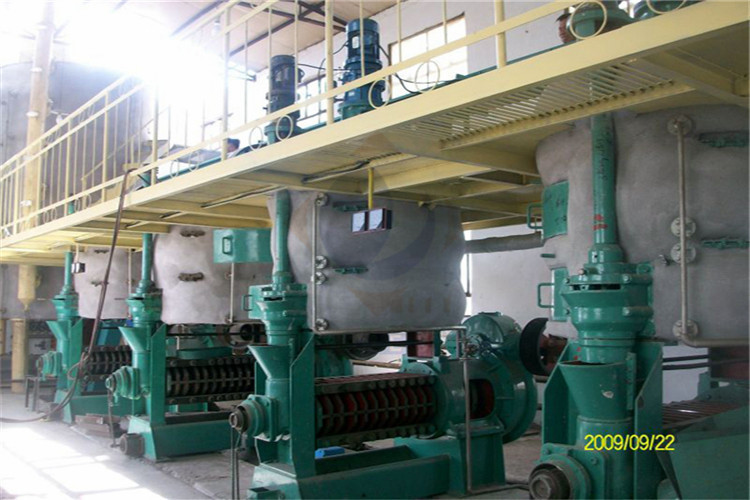
Don't let inappropriate equipment choices hinder your journey to producing high-quality sesame oil. The right cold press sesame oil equipment isn't just a purchase—it's an investment in your product quality, customer satisfaction, and business growth.
Discover the perfect cold press solution tailored to your production scale with 企鹅集团 (Penguin Group)'s industry-leading equipment.
Find Your Ideal Sesame Oil Press MachineRemember, in the competitive edible oil market, your production equipment is the foundation of your product quality. Choose wisely, and watch your business thrive in the growing natural oil segment.

 443
|
443
|
 sesame oil formulation
food seasoning oil
salad dressing oil
baking oil stability
natural edible oil application
sesame oil formulation
food seasoning oil
salad dressing oil
baking oil stability
natural edible oil application
 301
|
small business cold press sesame oil machine
cold press sesame oil technology
sesame oil extractor parameters
oil press performance indicators
oil press maintenance
485
|
sesame oil skincare
natural hair oil base
face cream ingredients
cosmetic oil formulation
antioxidant-rich oils
348
|
sesame oil applications
natural ingredient trends
functional food oil
natural skincare oil
food formulation tips
301
|
small business cold press sesame oil machine
cold press sesame oil technology
sesame oil extractor parameters
oil press performance indicators
oil press maintenance
485
|
sesame oil skincare
natural hair oil base
face cream ingredients
cosmetic oil formulation
antioxidant-rich oils
348
|
sesame oil applications
natural ingredient trends
functional food oil
natural skincare oil
food formulation tips
 257
|
cold-pressed sesame oil extraction
unsaturated fatty acid retention
cold press oil machine
healthy edible oil production
sesamin vitamin E preservation
257
|
cold-pressed sesame oil extraction
unsaturated fatty acid retention
cold press oil machine
healthy edible oil production
sesamin vitamin E preservation