https://shmuker.oss-cn-hangzhou.aliyuncs.com/data/oss/65b068c3c2e9735675cac322/65b46cb67cfeb5177346777c/20240426173741/未标题-1_画板%201.png

How Small and Medium-Sized Oil Mills Achieve Consistent Sesame Oil Quality Through Automation Control Systems
2025-09-26
QI ' E Group
Solution
Small and medium-sized sesame oil producers often struggle with batch-to-batch quality inconsistencies in large-scale production. This article explores how automation control systems play a critical role in stabilizing key processing parameters—temperature, pressure, and time—across the entire industrial sesame oil production line: from seed cleaning to refining. By analyzing cold-press vs. hot-press methods and showcasing real-world case studies, we demonstrate how precise process control ensures consistent flavor, aroma, and nutritional retention. Practical recommendations for equipment selection, parameter optimization, staff training, and continuous improvement help SMEs enhance product reliability and brand trust. Let every drop of sesame oil be worthy of confidence—from raw material to final product.
https://shmuker.oss-accelerate.aliyuncs.com/data/oss/65b068c3c2e9735675cac322/65b0a486107bc6700293c9bf/芝麻-3.jpg

How Small & Medium-Sized Sesame Oil Producers Can Achieve Consistent Quality

For small and medium-sized sesame oil producers, maintaining consistent flavor, aroma, and nutritional value across batches is one of the biggest challenges in scaling operations. Inconsistent quality not only leads to customer complaints but also erodes brand trust—a critical issue in today’s competitive global market.

The Real Cost of Inconsistency

According to a 2023 industry survey by the International Food Processing Association, over 67% of B2B buyers from Europe and North America prioritize consistency when evaluating new suppliers—regardless of price. For SMEs, this means that even a 10–15% variation in taste or clarity between production runs can result in lost orders or delayed payments.

Production Method Avg. Batch Variability (%) Nutrient Retention
Manual Cold Press 18–25% Low (60–70%)
Automated Hot Press ≤5% High (85–92%)

Why Automation Is the Game-Changer

In an industrial-grade sesame oil production line—from seed cleaning to final refining—the key to consistency lies in precise control of temperature, pressure, and time. Manual adjustments often miss subtle variations that impact both sensory profile and shelf life.

A case study from a mid-sized producer in India shows how implementing a PLC-based automation system reduced batch-to-batch variance from 22% to just 4%, while increasing yield by 12%. The real win? Their export clients reported higher satisfaction scores, leading to repeat orders within 3 months.
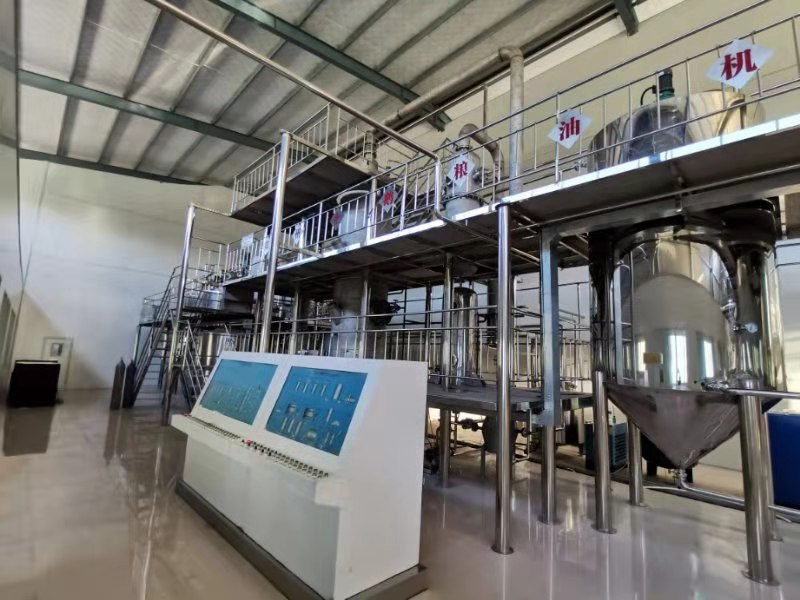
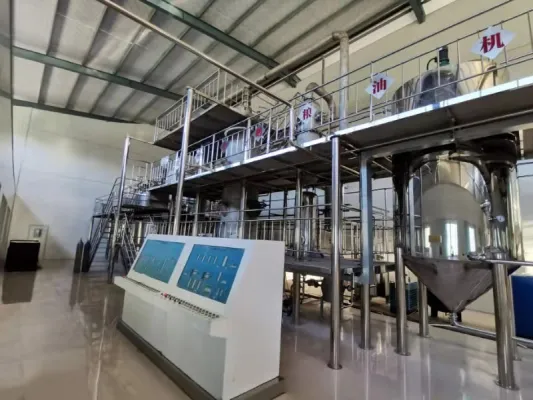
Simplified flowchart showing sesame oil production stages: Seed Cleaning → Pre-Pressing → High-Temp Extraction → Filtration → Refining

Actionable Steps for SMEs

  • Start with core parameters: Focus on stabilizing temperature during extraction (typically 100–130°C) and pressure settings (8–12 MPa).
  • Invest in training: Operators must understand how to interpret data logs from the system—not just run it.
  • Build feedback loops: Use monthly quality audits to refine settings based on actual product performance.

Automation isn’t just about efficiency—it’s about building trust. Buyers want to know: “Will I get the same quality tomorrow as I did last month?” When you can say yes—with hard data—you’re not just selling oil. You’re selling reliability.

Let every drop of sesame oil be worth the wait. From seed to bottle, quality remains constant.

Ready to elevate your sesame oil brand? Let’s discuss how smart automation can turn inconsistent batches into premium products that stand out globally.

Transform Your Process Today


Recommended Products
Hot Products
Contact us
Contact us
https://shmuker.oss-cn-hangzhou.aliyuncs.com/tmp/temporary/60ec5bd7f8d5a86c84ef79f2/60ec5bdcf8d5a86c84ef7a9a/thumb-prev.png