In today’s global food trade, premiumization is no longer optional—it’s essential. For sesame oil producers targeting North America and Europe, cold-pressed technology isn’t just a process improvement; it’s a strategic differentiator that aligns with consumer expectations for purity, nutrition, and sustainability.
Unlike traditional hot-press methods, cold pressing maintains temperatures below 40°C (104°F), preserving volatile aromatic compounds, antioxidants like vitamin E, and essential fatty acids such as linoleic acid—key markers of high-quality oils in Western markets.
| Process | Vitamin E Retention | Oxidation Stability (Peroxide Value) | Aroma Integrity |
|---|---|---|---|
| Cold Pressed | ~90–95% | Low (<5 meq/kg) | Highly preserved |
| Hot Pressed | ~50–60% | Higher (>10 meq/kg) | Partially degraded |
According to the FAO’s Food Quality Guidelines (2023), oils processed at low temperatures are preferred for functional foods due to their higher retention of bioactive compounds—making cold-pressed sesame oil ideal for health-conscious buyers in Germany, Canada, and California.
European buyers increasingly demand organic certification, non-GMO verification, and minimal oxidation levels. A cold-pressed product naturally meets these criteria because:
One case study from a Malaysian exporter shows a 35% price premium when switching from hot-pressed to cold-pressed sesame oil for distribution in German supermarkets—a direct result of improved shelf life and perceived quality.
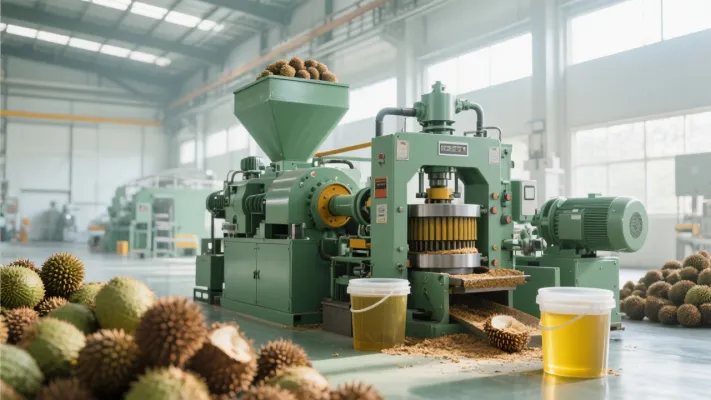
The success of cold pressing hinges on equipment performance. Modern hydraulic presses with temperature control (±2°C accuracy) ensure consistent yield without overheating. Producers should prioritize machines certified by ISO 22000 or HACCP-compliant designs to avoid cross-contamination risks during processing.
Have you considered upgrading your sesame oil production line to meet international standards? Your current setup may be limiting access to premium B2B buyers who require traceable, clean, and nutrient-rich products.
Want to build a cold-pressed sesame oil solution that wins over European and American importers?
Get Your Free Technical Assessment from Our Oil Processing Experts