If you're running or planning to start a small-scale sesame oil business—especially for export—you know the challenge: balancing food safety, consistent quality, and smart cost management. We recently worked with a family-run workshop in Tamil Nadu that went from producing inconsistent batches to exporting premium cold-pressed sesame oil to the Middle East within just 9 months. Here’s how they did it—with real data, no fluff.
Many beginners buy cheap sesame seeds without checking moisture content or purity. That leads to spoilage, off-flavors, and rejected shipments. Our client learned the hard way—after one batch was rejected by a UAE buyer due to high free fatty acid levels (over 3%).
Now, they source only certified organic white sesame seeds from trusted suppliers in Gujarat. They test every shipment using a simple refractometer (cost: ~$70) and reject any batch with moisture above 8%. This small step reduced waste by 15% and improved shelf life from 6 months to 12+ months.
A common myth is that high heat = better flavor. But in reality, heating beyond 45°C destroys essential nutrients like vitamin E and polyphenols—critical for health-conscious buyers in Europe and North America.
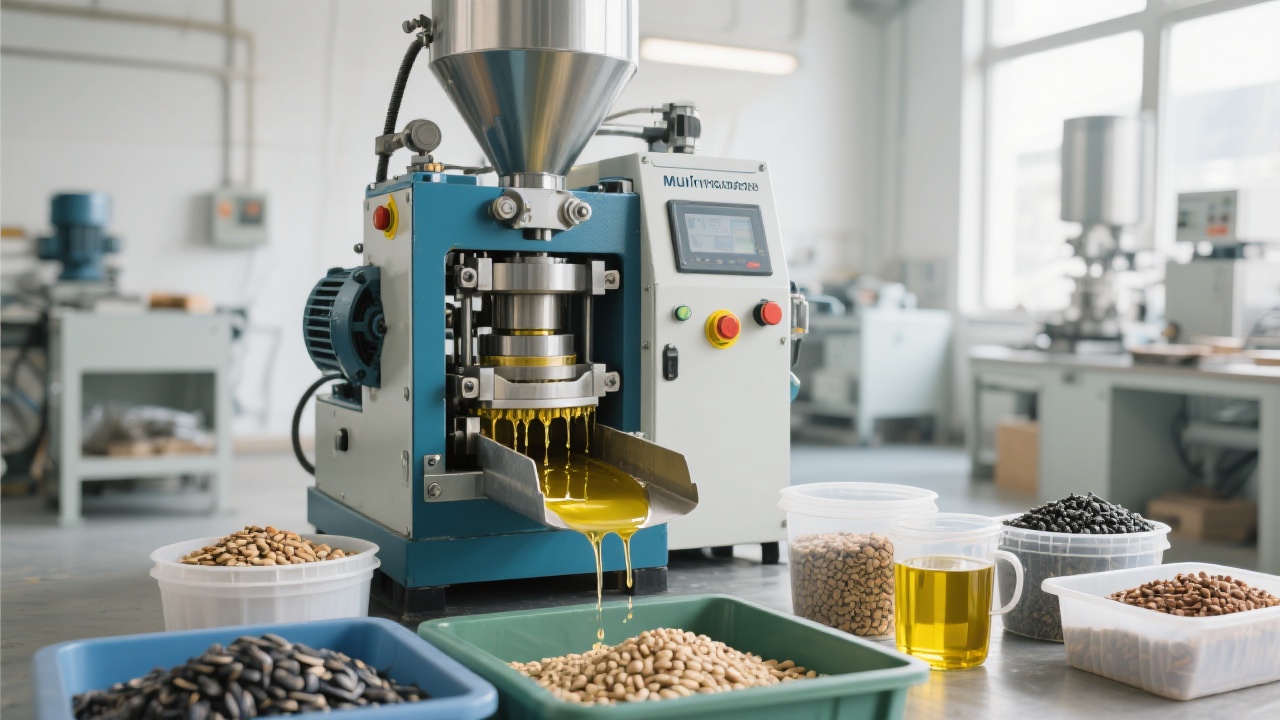
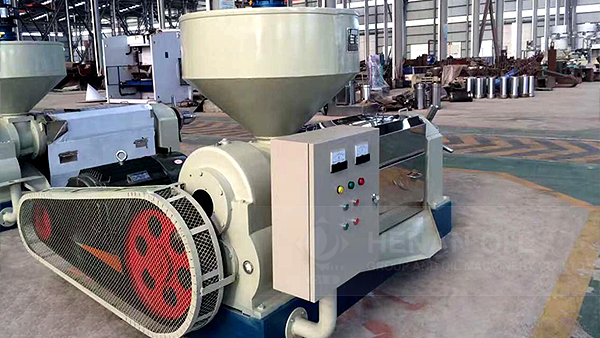
The workshop now uses a compact manual cold press machine (~$180–$250). It produces 1.5–2 liters per hour with minimal energy use. Compared to traditional hot pressing, this method increases yield by 8% while reducing oxidation risk significantly. Customers report “cleaner taste” and “no aftertaste”—key selling points for premium positioning.
One of the biggest mistakes? Storing oil in clear glass bottles under sunlight. Even a few hours can cause rancidity. Our client now stores finished product in dark amber PET bottles with nitrogen flush (a $200 investment that pays off in 3 months).
They also added silica gel packs to each box—a tiny cost ($0.10 per unit)—but it prevented moisture-related spoilage in 98% of their exports. That means fewer returns, higher repeat orders, and stronger trust with international buyers.
Within 9 months:
And here’s the kicker—they didn’t spend a single dollar on paid ads. Their growth came from consistent SEO-optimized blog posts, targeted LinkedIn outreach, and video tutorials shared via WhatsApp groups in the Gulf region.

 170
|
170
|
 peanut oil production process
cold pressed vs hot pressed peanut oil
oil extraction techniques
peanut oil production process
cold pressed vs hot pressed peanut oil
oil extraction techniques
 122
|
peanut oil extraction efficiency
eco-friendly high-efficiency expeller
medium-sized peanut oil equipment
peanut oil production techniques
high-efficiency oil press
156
|
peanut oil production techniques
hot pressed vs cold pressed peanut oil
oil cake reutilization
122
|
peanut oil extraction efficiency
eco-friendly high-efficiency expeller
medium-sized peanut oil equipment
peanut oil production techniques
high-efficiency oil press
156
|
peanut oil production techniques
hot pressed vs cold pressed peanut oil
oil cake reutilization
 103
|
Small sesame oil press
Cold-pressed sesame oil equipment
Sesame oil press fault troubleshooting
Household sesame oil machine
Sesame oil machine purchase guide
103
|
Small sesame oil press
Cold-pressed sesame oil equipment
Sesame oil press fault troubleshooting
Household sesame oil machine
Sesame oil machine purchase guide
 74
|
["energy-efficient peanut oil extractor"
"medium scale oil press machine"
"sustainable peanut oil production"
"peanut oil extraction technology"
"eco-friendly oil processing equipment"]
74
|
["energy-efficient peanut oil extractor"
"medium scale oil press machine"
"sustainable peanut oil production"
"peanut oil extraction technology"
"eco-friendly oil processing equipment"]







.jpg?x-oss-process=image/resize,m_fill,h_300,w_300/format,webp)
.jpg?x-oss-process=image/resize,m_fill,h_400,w_400/format,webp)