https://shmuker.oss-cn-hangzhou.aliyuncs.com/data/oss/65b068c3c2e9735675cac322/65b46cb67cfeb5177346777c/20240426173741/未标题-1_画板%201.png

Home-Scale Cold Pressed Sesame Oil Extraction: Export-Quality Technique for Beginners
2025-12-03
QI ' E Group
Technical knowledge
Want to effortlessly produce export-grade sesame oil at home? This article offers a detailed guide on small-scale cold pressing of sesame oil tailored for home users and startup workshops. From selecting premium raw sesame seeds, operating simple cold pressing equipment, to mastering oxidation prevention and storage tips, we guide you step-by-step to achieve aromatic, nutrient-rich, high-quality sesame oil. We clarify common misconceptions such as the necessity of high-temperature roasting and how to assess oil quality, ensuring you consistently produce top-tier sesame oil with confidence and safety.
https://shmuker.oss-accelerate.aliyuncs.com/data/oss/20250715/3e1c41c037545630f925ca5074f21052/9b91a88c-612e-4abf-b9bb-1d7839079560.jpeg

Mastering Home-Scale Cold-Press Sesame Oil Extraction: Export-Grade Quality at Your Fingertips

Are you eager to produce premium, export-quality sesame oil right in your own kitchen or small workshop? You don’t need a professional background or heavy industry equipment to achieve this. With a solid understanding of cold-press techniques, you can craft fragrant, nutrient-rich sesame oil that rivals commercial brands.

Selecting the Right Sesame Seeds: The Foundation of Quality Oil

The quality of your sesame oil starts with the raw material. Focus on the following criteria:

  • Origin: Seeds from reputable regions such as Ethiopia, India, and China often have superior flavor profiles.
  • Color & Freshness: Choose seeds that are uniform in color—golden or white varieties usually yield lighter oil. Ensure they are fresh, not stale or moldy, to maintain nutritive value.
  • Cleaning: Remove debris, stones, and dust to prevent contamination and enhance oil purity.

Choosing Suitable Cold-Press Equipment for Home Use

For small-scale extraction, the ideal cold-press machine should be:

  • Compact & User-Friendly: Look for electrically powered screw presses designed for 1-5 kg batch sizes.
  • Easy to Clean & Maintain: Stainless steel parts avoid corrosion and comply with hygiene standards.
  • Efficient Yield: Average oil extraction rates vary, but well-maintained home cold-press units typically achieve 35-40% oil yield from raw sesame seeds.

Tip: Pairing your process with our home cold-press machine simplifies operation and enhances yield stability.

Step-by-step cold press sesame oil extraction process at home

Step-by-Step Cold-Press Sesame Oil Extraction Workflow

Follow hygiene and safety tightly throughout your process:

Step Key Actions Important Notes
1. Seed Preparation Clean and dry seeds to below 8% moisture for optimal pressing. Moisture level directly affects oil yield and shelf life.
2. Cold Pressing Operate press at low temperature (below 50°C) to retain nutrients. Avoid heating to preserve antioxidants and natural aroma.
3. Filtration & Clarification Filter oil through fine mesh to remove residue for clear oil. Clean filters regularly to avoid microbial contamination.
4. Storage & Preservation Store in airtight, dark glass containers under cool (below 25°C) conditions. Minimize oxygen exposure to avoid oxidation and rancidity.

Debunking Common Misconceptions

Does sesame oil require high-temperature roasting before pressing?

No. While hot pressing with roasted seeds can intensify flavor, cold-pressing unroasted seeds preserves maximum nutritional content and yields a cleaner, lighter oil favored in health markets. If you wish to combine aroma and nutrition, gently warming the seeds below 50°C prior to pressing is an acceptable compromise.

Cold Pressed vs. Hot Pressed Sesame Oil – What’s the real difference?

Cold-pressed oil retains higher levels of antioxidants, vitamin E, and polyunsaturated fats, making it healthier and more suitable for skin care or therapeutic uses. Hot pressed oil usually yields more oil but sacrifices some delicate flavor and nutrients.

“Using a reliable home cold-press machine, I managed to produce sesame oil that my customers say tastes as good as the branded ones. The process was surprisingly straightforward and clean.”— Emily T., boutique oil producer
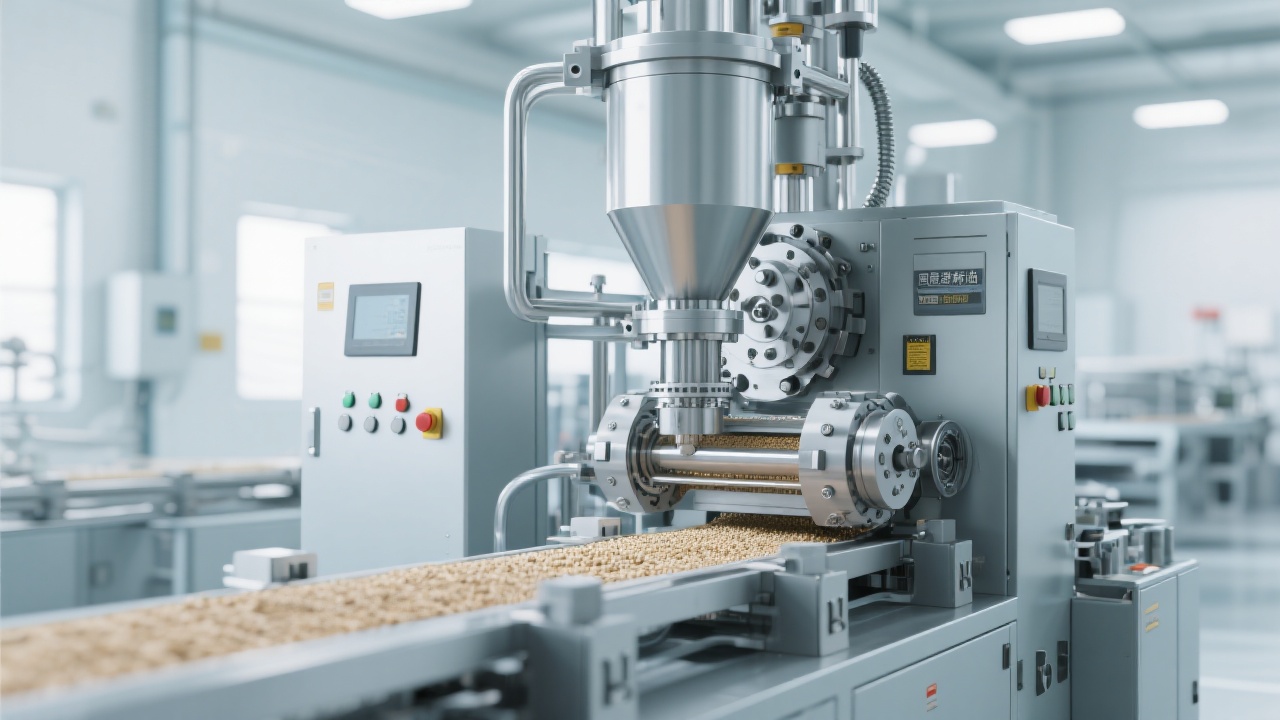
Clean sesame seeds ready for cold pressing in a small home setup

Tips to Prevent Oxidation and Extend Sesame Oil Shelf Life

Oxygen, light, and heat are your enemies when it comes to sesame oil storage. Keep in mind:

  • Use amber-tinted glass bottles to block UV rays.
  • Fill containers fully to minimize air volume inside.
  • Store oil away from heat sources and direct sunlight.
  • Consider vacuum sealing or inert gas flushing for long-term storage.

Managing Costs Without Sacrificing Quality

In small-scale production, balancing cost and quality is key for sustainable operations. Focus your investments wisely:

  • Purchase seeds in bulk directly from trusted suppliers to reduce overhead.
  • Maintain your cold-press machine with regular cleaning to prolong lifespan.
  • Optimize batch sizes around machine capacity (about 3-5 kg) to maximize efficiency and reduce wastage.
  • Reuse or recycle byproducts, such as seed cake, as animal feed or biofertilizer.
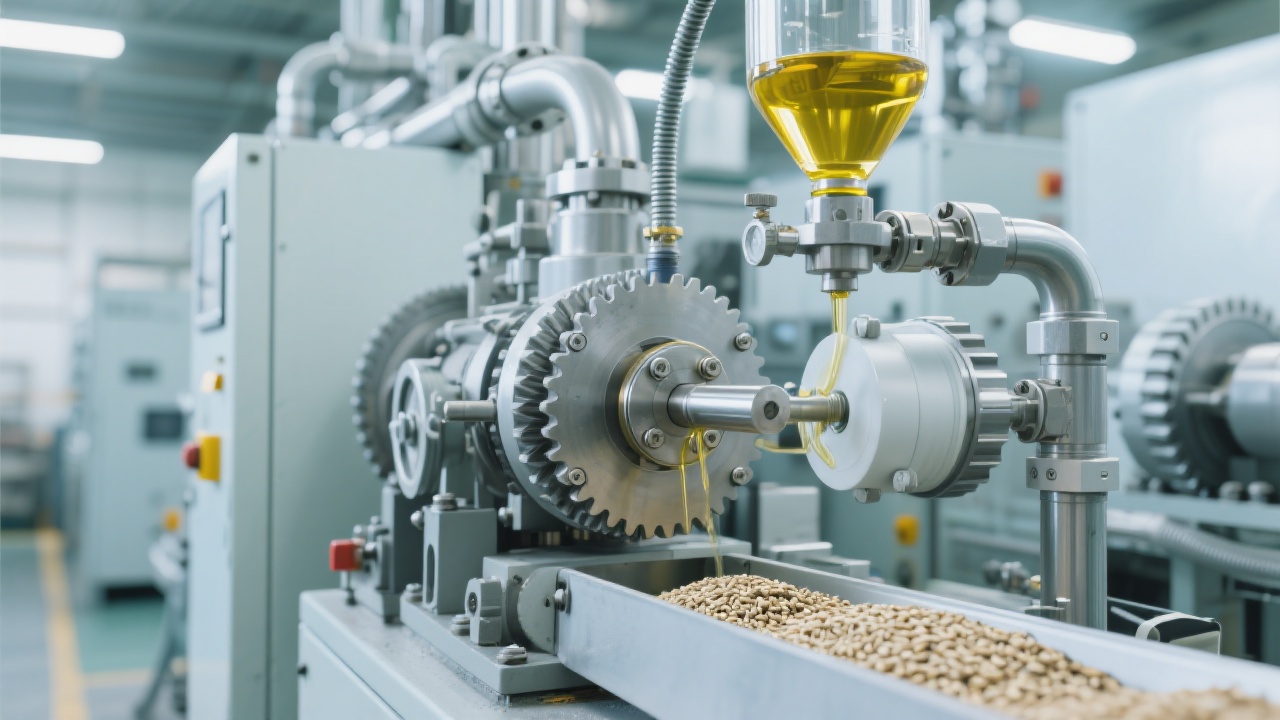
Freshly extracted cold-pressed sesame oil stored in amber glass bottles
Recommended Products
Hot Products
Contact us
Contact us
https://shmuker.oss-cn-hangzhou.aliyuncs.com/tmp/temporary/60ec5bd7f8d5a86c84ef79f2/60ec5bdcf8d5a86c84ef7a9a/thumb-prev.png