
For home and start - up workshops producing sesame oil, the first step is to choose the right sesame seeds. High - quality sesame seeds are the foundation for producing top - notch sesame oil. Look for seeds that are plump, uniform in color, and free from mold or pests. Usually, white or light - colored sesame seeds are preferred for their milder flavor and higher oil content, which can reach up to 50 - 60%. You can conduct a simple taste test; good sesame seeds have a natural, nutty flavor. Additionally, sourcing seeds from reliable suppliers can ensure the consistency and quality of your raw materials.

When it comes to small - scale sesame oil production, cold - pressing equipment is a great choice. Cold - pressing retains more nutrients and the natural flavor of sesame oil compared to hot - pressing methods. A good home - use cold - press sesame oil machine should have features like easy operation, low noise, and high oil extraction efficiency. For example, some machines can extract up to 40 - 50% of the oil from sesame seeds in a single pass. The operation is relatively straightforward: simply feed the cleaned sesame seeds into the hopper, and the machine will do the rest. Make sure to follow the manufacturer's instructions carefully to ensure optimal performance.
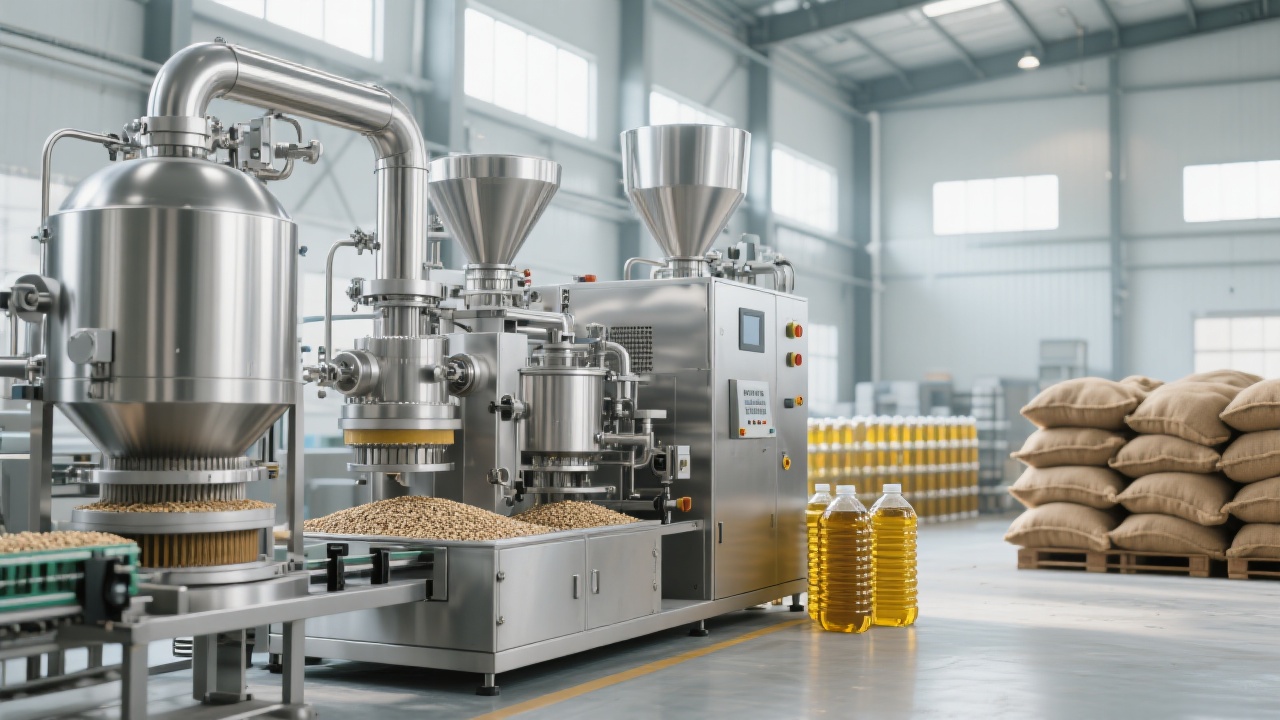
One of the key challenges in sesame oil production is preventing oxidation, which can lead to rancidity and a loss of flavor. To prevent oxidation, it's important to keep the oil away from light, heat, and oxygen. Store the oil in dark glass bottles or containers, and keep them in a cool, dry place. Refrigeration can also significantly extend the shelf - life of sesame oil. Additionally, adding natural antioxidants like vitamin E can further slow down the oxidation process. A well - stored cold - pressed sesame oil can last up to 6 - 12 months without significant quality degradation.
Maintaining safety and hygiene standards is crucial in sesame oil production. Before using any equipment, make sure to clean it thoroughly. Wash your hands and wear clean clothing when handling the raw materials and the finished product. Follow proper sanitation procedures during the entire production process. For example, sterilize your storage containers before filling them with oil. By adhering to these safety and hygiene practices, you can ensure that your sesame oil is safe for consumption and meets quality standards.
Cost control is essential for home and start - up workshops. One effective strategy is to buy sesame seeds in bulk, which can often get you a better price. Another way is to optimize the use of your equipment to reduce energy consumption. For instance, running the cold - press machine at its optimal speed can save electricity. Also, recycling by - products like sesame meal can generate additional income. You can sell the sesame meal as animal feed or use it in other food products. Real - life cases have shown that by implementing these cost - control measures, small - scale producers can reduce production costs by up to 20 - 30%.
Many users have questions about sesame oil production. One common misconception is the necessity of high - temperature roasting. In fact, cold - pressing does not require high - temperature roasting, as it can preserve the nutrients and flavor of the oil. Another question is about the oil's quality standards. High - quality cold - pressed sesame oil should be clear, have a rich sesame flavor, and meet relevant food safety standards. We are here to provide professional answers to these common questions to help you produce high - quality sesame oil consistently.

Ready to start your own sesame oil production journey? Our recommended cold - press sesame oil equipment can help you achieve efficient and high - quality production. Click here to learn more!







.jpg?x-oss-process=image/resize,m_fill,h_400,w_400/format,webp)