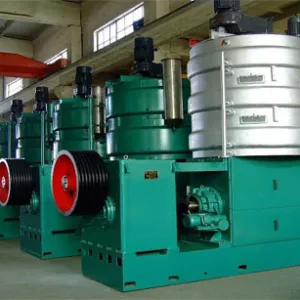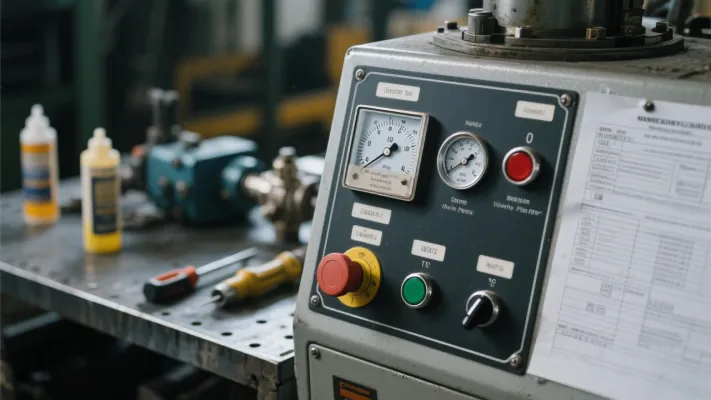
In a world increasingly driven by health-conscious consumption, sesame oil is no longer just a kitchen staple—it's becoming a strategic ingredient across food, cosmetics, and wellness industries. According to the Grand View Research 2024 report, the global sesame oil market was valued at USD 2.1 billion in 2023 and is projected to grow at a CAGR of 6.8% through 2030. This isn't just growth—it's a shift in how consumers perceive flavor, nutrition, and authenticity.
From Japan’s traditional use in sushi to Nigeria’s rising demand for premium cooking oils, sesame oil is gaining traction as a functional ingredient. A Euromonitor International survey (2023) shows that over 67% of global consumers now actively seek out "natural" or "cold-pressed" oils when purchasing cooking essentials—making sesame oil a prime candidate for differentiation.
| Application Sector | Growth Rate (CAGR 2023–2030) | Key Drivers |
|---|---|---|
| Food Industry | 7.2% | Flavor enhancement, clean-label trends |
| Cosmetics & Skincare | 8.5% | Antioxidant properties, natural appeal |
| Nutraceuticals | 9.1% | High omega-6/omega-3 ratio, anti-inflammatory benefits |
For exporters aiming to stand out, understanding the difference between cold-pressed and hot-pressed sesame oil is critical. While hot pressing yields higher volume, cold pressing preserves more nutrients like sesamol and vitamin E—key selling points for premium buyers in Europe and North America. A study published in Food Chemistry (2023) found that cold-pressed sesame oil retains up to 30% more polyphenols than its heat-treated counterpart, directly influencing shelf life and perceived quality.
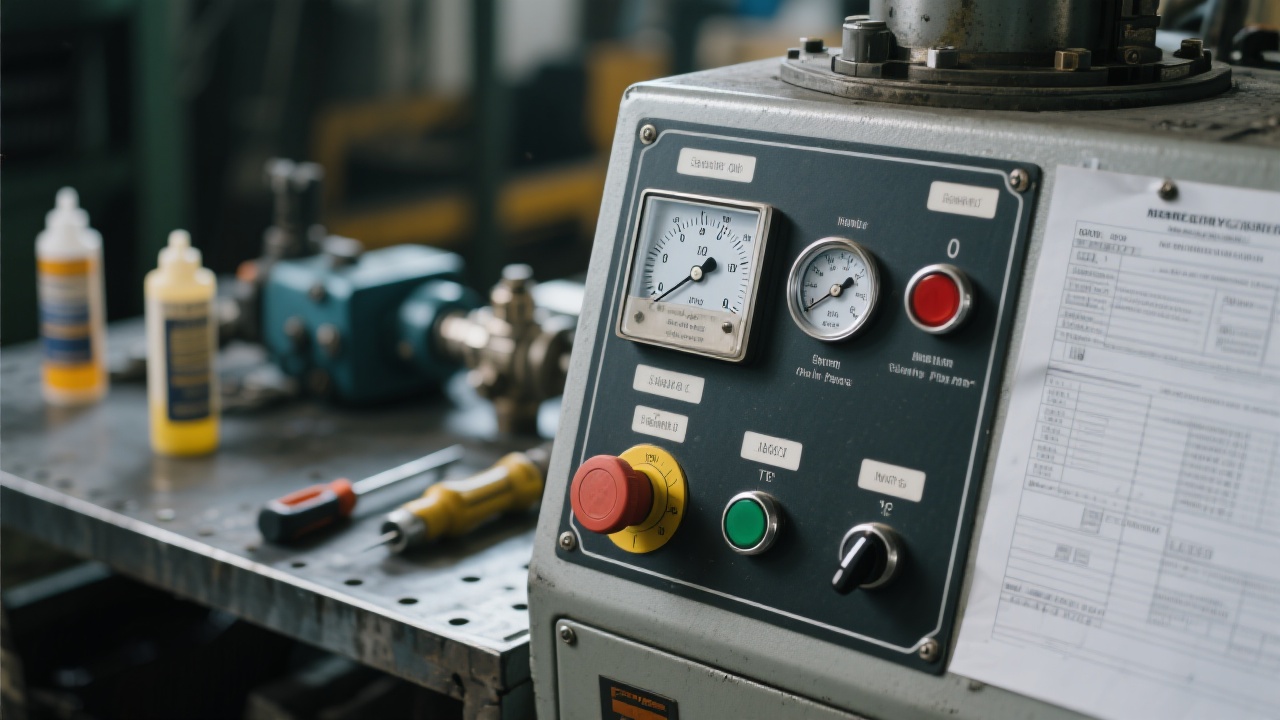
In 2022, a mid-sized producer in India upgraded from batch extraction to automated cold-press systems. Within 12 months, their export orders from Germany and the U.S. increased by 45%, with average order values rising from $2,800 to $4,600. Why? Because they could now offer certified organic, low-free fatty acid content, and traceable sourcing—all crucial for B2B buyers in regulated markets.
This story isn’t unique—it’s repeatable. Whether you're a small processor or a large-scale exporter, investing in modern extraction technology doesn’t just improve yield—it builds trust, reduces waste, and opens doors to new B2B channels.
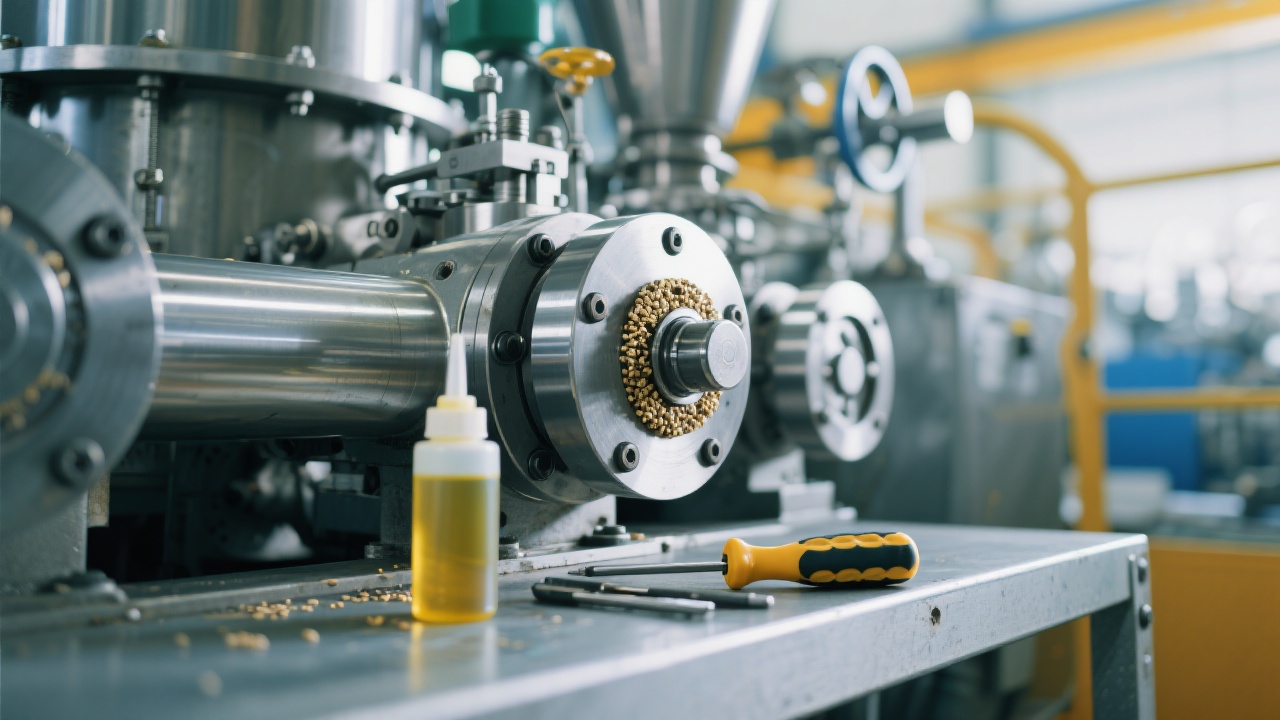
So what’s next for your business? If you’re serious about scaling globally, it starts with asking the right questions—not just about price, but about purity, consistency, and scalability.
Let’s build a custom solution tailored to your production capacity, target market, and brand vision.
Get Your Customized Pressing System Proposal TodayWhat’s your biggest challenge in exporting sesame oil today? Share your thoughts below—we read every comment.