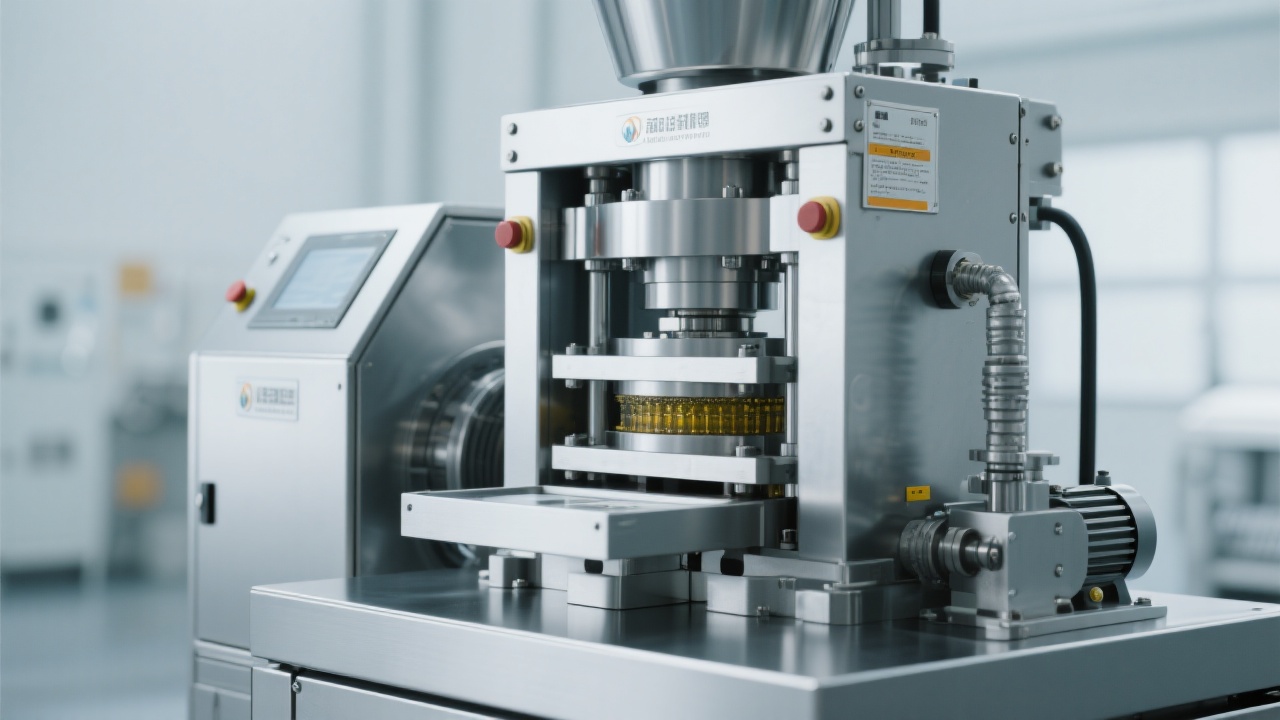
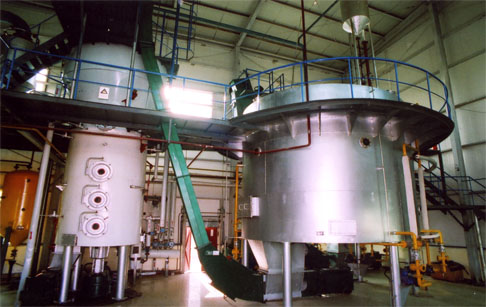
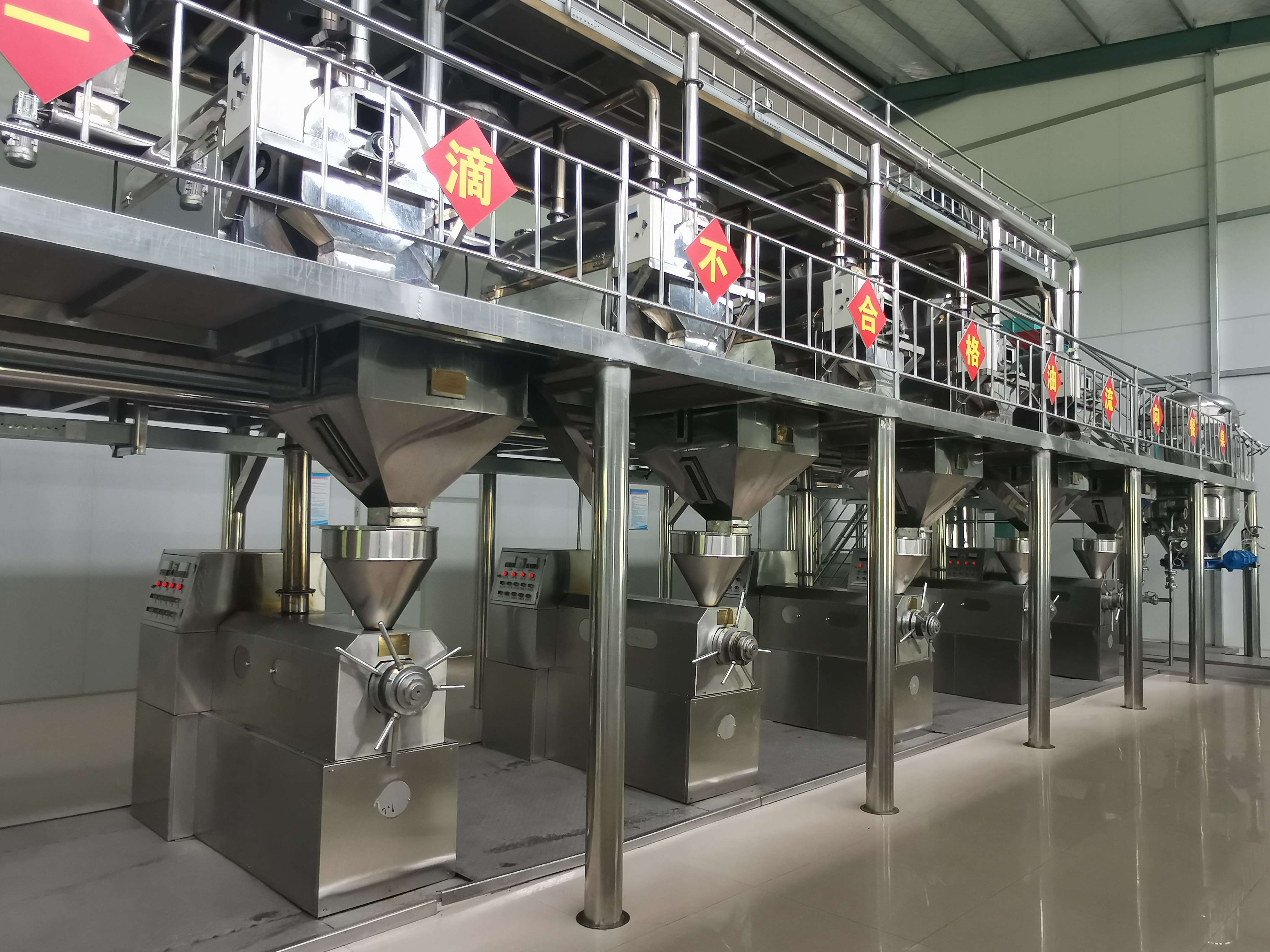
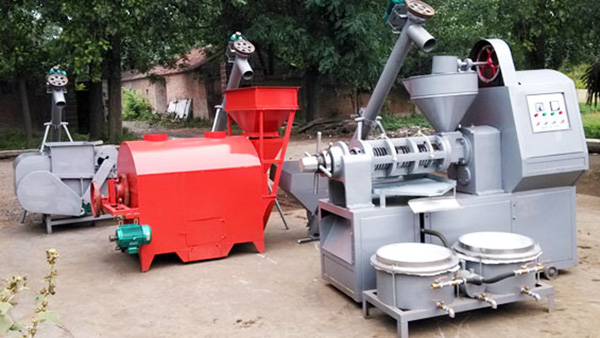
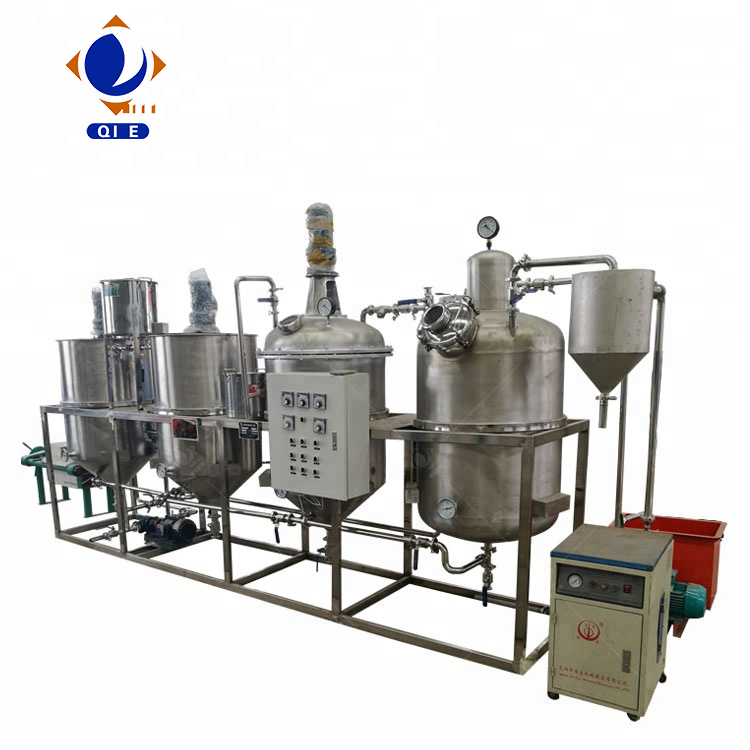
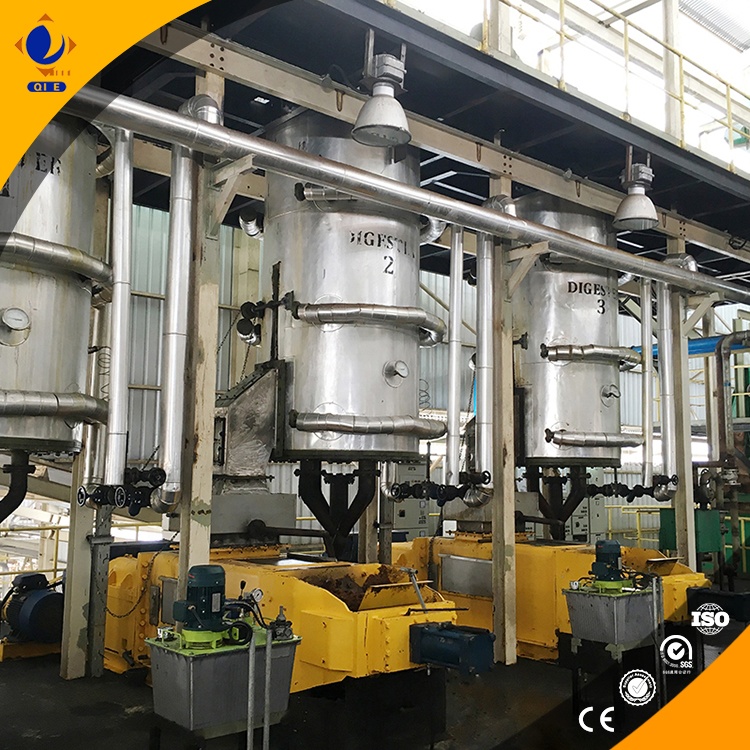
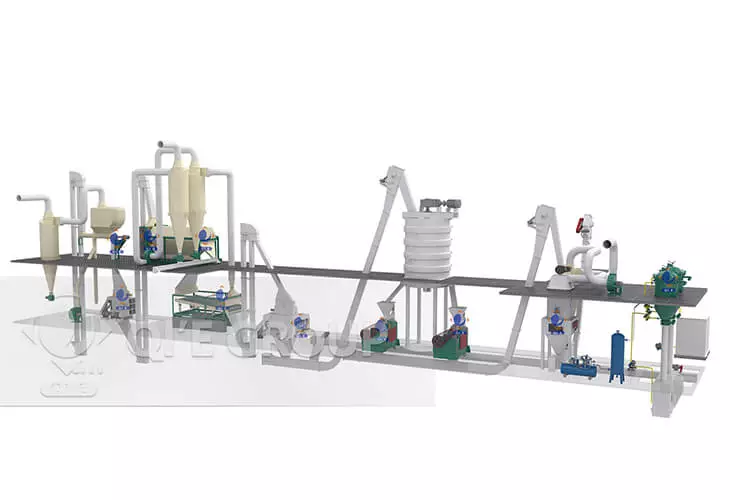
The sesame oil industry holds significant economic and nutritional value globally. Selecting the right sesame oil extraction equipment is crucial for producers aiming to achieve high - quality output and maintain a competitive edge in the market. This article comprehensively analyzes the selection and operation optimization of sesame oil extraction equipment, providing practical guidance for producers.
Sesame oil is widely used in cooking, food processing, and the cosmetics industry due to its rich flavor and high nutritional value. The choice of appropriate extraction equipment directly affects the production efficiency, product quality, and ultimately, the profitability of the producers. A well - selected equipment can ensure stable production and high - quality output.
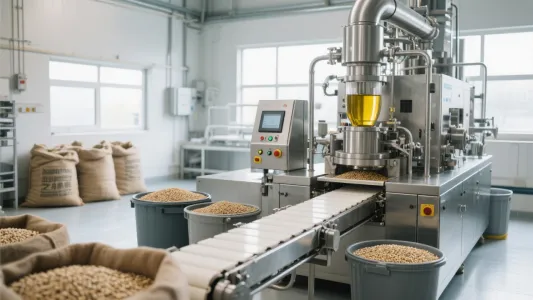
The pretreatment of sesame, including cleaning, drying, and crushing, has a significant impact on the subsequent oil extraction efficiency. Cleaning removes impurities, which can prevent damage to the equipment and improve the quality of the final product. Drying reduces moisture content, enhancing the oil yield. Crushing the sesame seeds increases the surface area, facilitating the release of oil during the extraction process. For example, properly dried sesame seeds with a moisture content of about 5% - 7% can significantly improve the oil extraction rate.
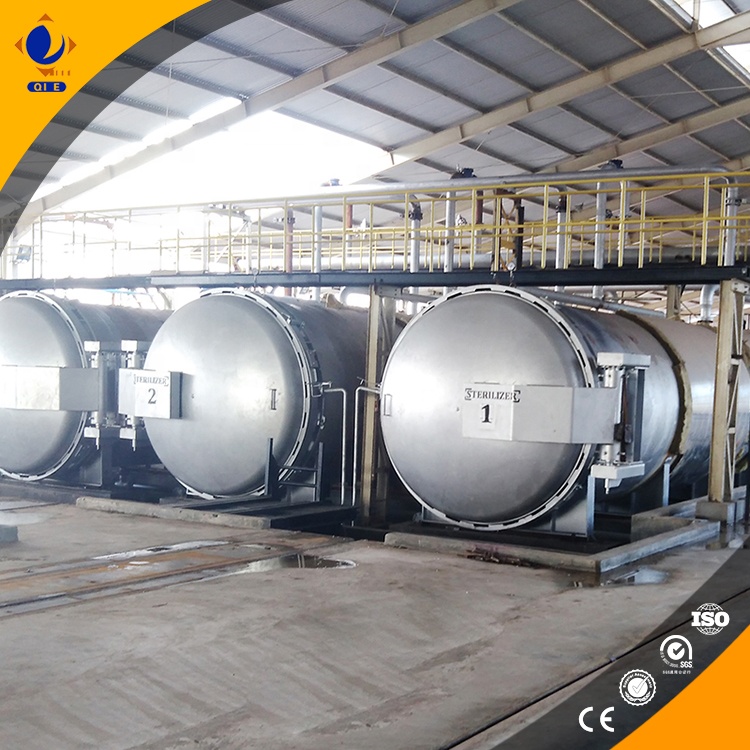
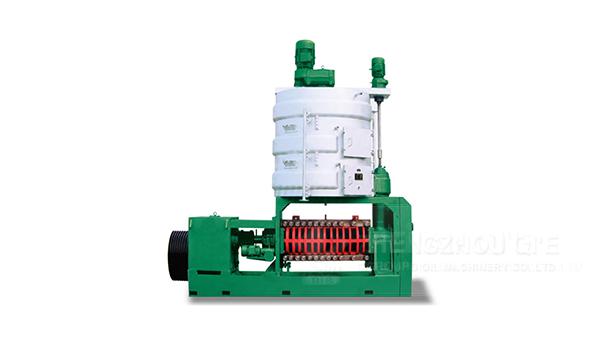
Pressing and solvent extraction are the two main methods for sesame oil extraction. Pressing is a traditional method with lower energy consumption. However, its oil yield is relatively low, usually around 40% - 45%. Solvent extraction, on the other hand, has a higher oil yield, reaching up to 90% - 95%, but it consumes more energy and requires strict safety measures due to the use of solvents. In terms of food safety, pressing is considered more natural, while solvent extraction requires proper solvent removal to ensure product safety.
Temperature control is crucial during the oil extraction process. High temperatures can enhance the oil yield but may also damage the flavor and nutritional components of the sesame oil. For example, when the temperature exceeds 120°C, some of the beneficial antioxidants in sesame oil may be destroyed. Therefore, maintaining an appropriate temperature range, such as 80°C - 100°C, can help retain the flavor and nutritional value of the sesame oil.
Filtration and degumming are essential processes for improving the purity of the finished sesame oil. Filtration removes solid impurities, while degumming removes phospholipids and other non - oil substances. These processes can significantly improve the clarity and stability of the oil, ensuring a high - quality final product.

Low oil yield and oil odor are common problems in sesame oil production. Low oil yield may be caused by improper pretreatment, incorrect extraction method selection, or equipment malfunction. Oil odor can result from poor raw material quality, improper temperature control, or incomplete refining. This article provides practical troubleshooting guides to help producers identify and solve these problems.
Q: Why is the oil yield low? A: Check the moisture content of the sesame seeds, the extraction method, and the equipment operation. Ensure proper pretreatment and correct temperature control.
Q: Why does the oil have an odor? A: Examine the raw material quality, temperature during extraction, and the refining process. Make sure to use high - quality sesame seeds and proper refining techniques.
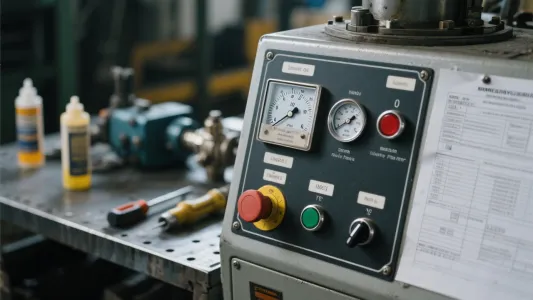
For home use, a small - scale pressing machine is usually sufficient, which is easy to operate and maintain. For industrial use in factories, large - scale extraction equipment with high efficiency and stability is required. Different equipment requires different maintenance methods. Regular cleaning, lubrication, and inspection can extend the service life of the equipment and ensure stable production.
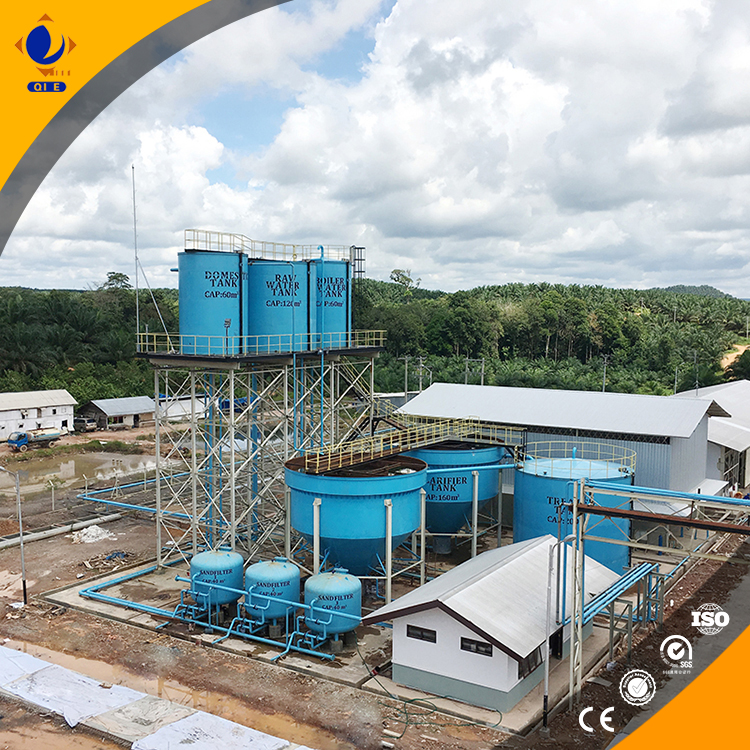
In conclusion, by understanding the entire process of sesame oil extraction, from raw material pretreatment to finished product refining, producers can make more informed decisions when selecting equipment and operating it. Proper equipment selection and scientific operation can help achieve stable production and high - quality output. If you want to learn more about optimizing your sesame oil extraction equipment, click here for more professional advice.
 188
|
188
|
 Sesame oil market trends
Sesame oil export potential
Sesame oil press machine
Cold - pressed sesame oil
Sesame oil industry applications
Sesame oil market trends
Sesame oil export potential
Sesame oil press machine
Cold - pressed sesame oil
Sesame oil industry applications
 66
|
cold pressed sesame oil
home sesame oil making
sesame oil extraction methods
healthy cooking oil
premium edible oils
66
|
cold pressed sesame oil
home sesame oil making
sesame oil extraction methods
healthy cooking oil
premium edible oils
 370
|
sesame oil export market
cold press sesame oil
sesame oil applications
high quality sesame oil
sesame oil production technology
370
|
sesame oil export market
cold press sesame oil
sesame oil applications
high quality sesame oil
sesame oil production technology
 459
|
sesame oil
dietary supplements
health benefits
nutritional value
459
|
sesame oil
dietary supplements
health benefits
nutritional value
 280
|
Small sesame oil press maintenance
Home sesame oil machine cleaning tips
Cold - press sesame oil equipment maintenance
Sesame oil machine daily maintenance checklist
Guide to handmade sesame oil production
280
|
Small sesame oil press maintenance
Home sesame oil machine cleaning tips
Cold - press sesame oil equipment maintenance
Sesame oil machine daily maintenance checklist
Guide to handmade sesame oil production





.jpg?x-oss-process=image/resize,m_fill,h_400,w_400/format,webp)