Are you a beginner or a small-scale entrepreneur dreaming of producing high-quality sesame oil for export? You're in the right place! Even with zero experience, you can create top-notch sesame oil. Let's dive into the whole process of cold press oil production in a home workshop.
The first step is choosing the right sesame seeds. High-quality sesame seeds are the foundation of great sesame oil. Look for plump, clean, and pest-free seeds. For example, seeds from certain regions are known for their rich flavor. You can check the color, usually a uniform light to medium brown. Avoid seeds with dark spots or a musty smell. This simple step can significantly impact the quality of your final product.
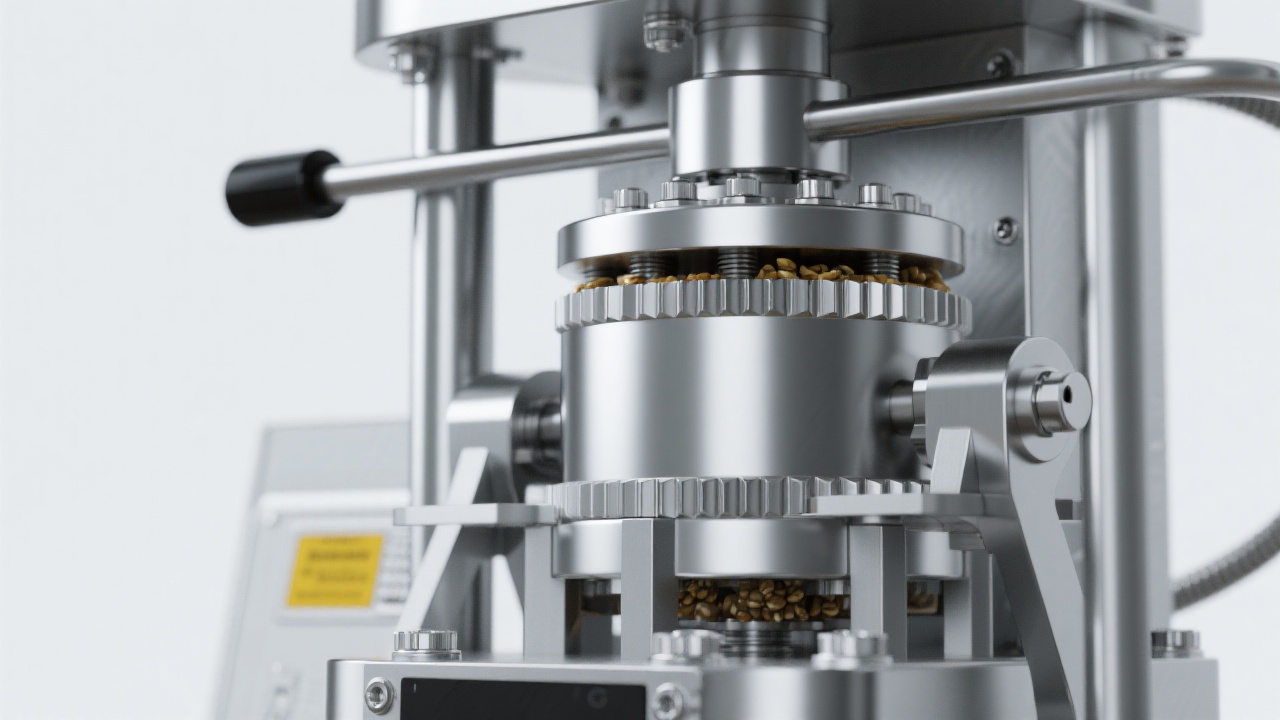
Cold pressing is a gentle method that preserves the natural nutrients and flavors of sesame oil. Unlike traditional hot pressing, it doesn't involve high temperatures, which can damage the oil's quality. In the cold pressing process, the temperature should be controlled below a certain level, say around 40°C. This ensures that the oil retains its antioxidants and healthy fatty acids. Here's a simple flowchart to illustrate the cold pressing process:

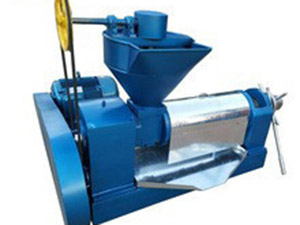
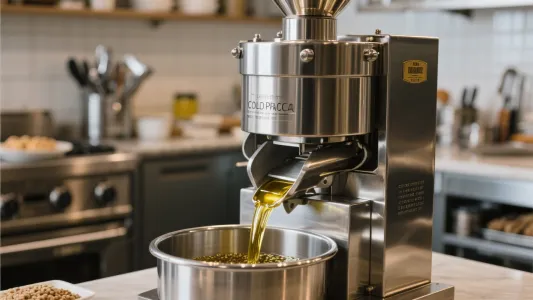
There are both industrial-grade and household cold press oil machines available. Industrial-grade machines are more powerful and suitable for larger production volumes. However, for home workshops or beginners, a household cold press machine might be a better choice. For instance, this cold press machine is designed for home use. It's easy to operate and clean, making it perfect for small-scale production. When comparing, consider factors like capacity, power consumption, and price.
Many beginners make mistakes during the pressing process. One common error is improper temperature control. As mentioned earlier, high temperatures can degrade the oil quality. Another mistake is not removing impurities effectively. You should use proper filtration methods to ensure the oil is clean. For example, using a fine mesh filter can help remove small particles and improve the clarity of the oil.
You can judge the quality of sesame oil through both sensory and simple testing methods. Sensory evaluation includes checking the color, smell, and taste. High-quality sesame oil has a clear, golden color, a rich and pleasant aroma, and a smooth taste. You can also do simple tests, like checking the viscosity or the presence of sediment. For example, if the oil is too thick or has a lot of sediment, it might indicate poor quality.
The storage environment has a significant impact on the flavor and quality of sesame oil. Store the oil in a cool, dark place, away from direct sunlight and heat. Oxidation can cause the oil to lose its flavor and nutritional value. For example, using dark glass bottles and storing them in a pantry can help preserve the oil's quality for a longer time. Here's what an expert has to say:
"Proper storage is crucial for maintaining the flavor and quality of sesame oil. A well-stored oil can retain its original flavor for up to a year."
Let's take a look at a real case. A small home workshop in [Location] used to have inconsistent oil quality. After optimizing the raw material selection, using the right cold press equipment, and improving the storage conditions, they were able to achieve more consistent output. Their sesame oil now has a stable flavor and meets the export standards, which has significantly increased their business.
In conclusion, with the right knowledge and equipment, you can produce high-quality sesame oil even as a beginner or a small home workshop. Follow these steps, and you'll be on your way to creating export-grade sesame oil. Are you ready to start your sesame oil production journey? Click here to explore the perfect cold press oil equipment for your needs.
What questions do you have about cold press oil production? Leave your comments below!
 359
|
359
|
 cold pressed sesame oil benefits
hot pressed sesame oil safety
how to make sesame oil at home
sesame oil nutritional value
cold pressed vs hot pressed sesame oil
cold pressed sesame oil benefits
hot pressed sesame oil safety
how to make sesame oil at home
sesame oil nutritional value
cold pressed vs hot pressed sesame oil
 223
|
["peanut oil extraction machine"
"eco-friendly oil press"
"mid-size peanut oil processor"
"African peanut oil equipment"
"European oil extraction system"]
223
|
["peanut oil extraction machine"
"eco-friendly oil press"
"mid-size peanut oil processor"
"African peanut oil equipment"
"European oil extraction system"]
 285
|
sesame oil production line
automated control in oil processing
sesame oil quality consistency
cold press vs hot press sesame oil
food oil refining process
285
|
sesame oil production line
automated control in oil processing
sesame oil quality consistency
cold press vs hot press sesame oil
food oil refining process
 306
|
sesame oil machine
automated oil extraction
oil production technology
306
|
sesame oil machine
automated oil extraction
oil production technology
 418
|
oil extraction
efficient methods
high yield
sustainable extraction
oil processing
418
|
oil extraction
efficient methods
high yield
sustainable extraction
oil processing









.jpg?x-oss-process=image/resize,m_fill,h_400,w_400/format,webp)