Oilseed processors need equipment that matches their raw material, production target, processing method and downstream requirements. Qi'e Grain and Oil Machinery Co., Ltd. provides grain and oil processing equipment solutions that can be configured as standalone machines or connected production lines, covering oil pressing, oil production and edible oil refining stages.
For sesame processing, the sesame oil pressing machine range supports mechanical and hydraulic extraction approaches. Buyers evaluating a sesame oil grinding machine price should consider the complete processing requirement—not only the press itself, but also material preparation, operating mode, capacity, oil quality expectations and planned use of press cake.
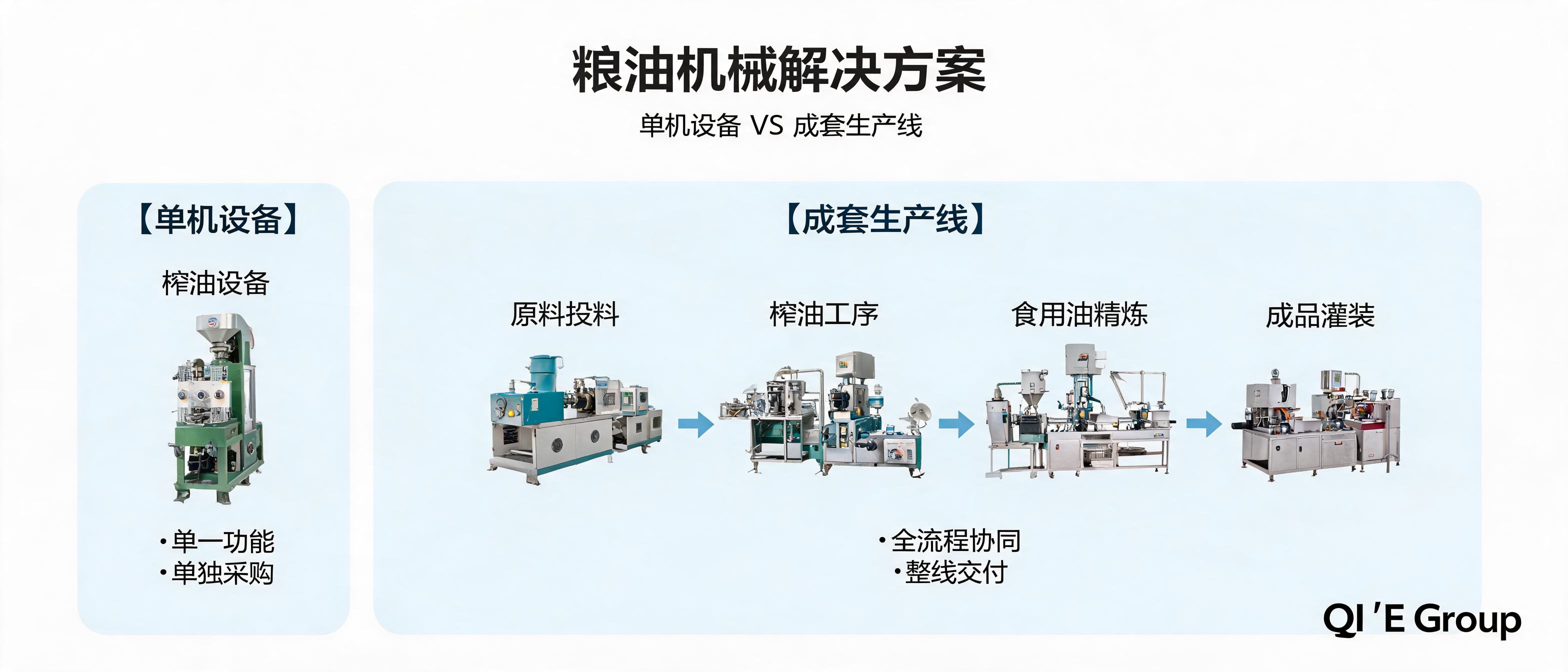
A practical edible oil processing solution is built around the characteristics of the oil-bearing material and the intended production process. Sesame, soybean, palm kernel and sunflower seed can require different preparation, pressing and refining arrangements. Qi'e Grain and Oil Machinery Co., Ltd. helps B2B processors assess whether a single oil press, a dedicated extraction section or a complete production line is the more suitable route.
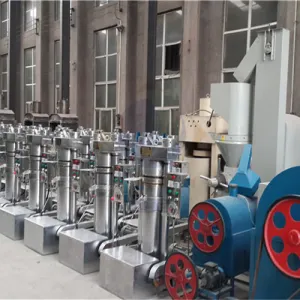
Equipment for extracting oil from prepared oilseeds through cold pressing, hot pressing, hydraulic pressing or screw pressing methods.
Connected processing equipment that can support the movement from raw material handling and preparation to pressing and oil collection.
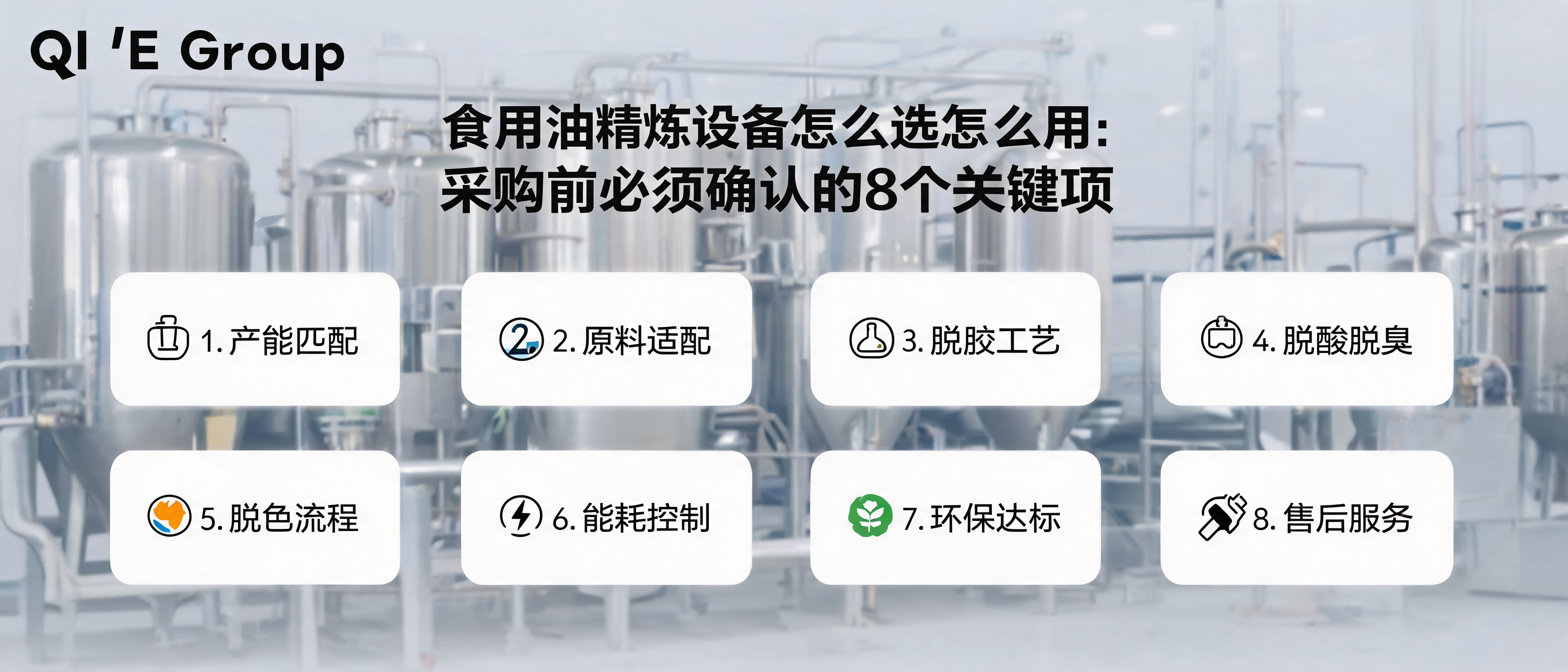
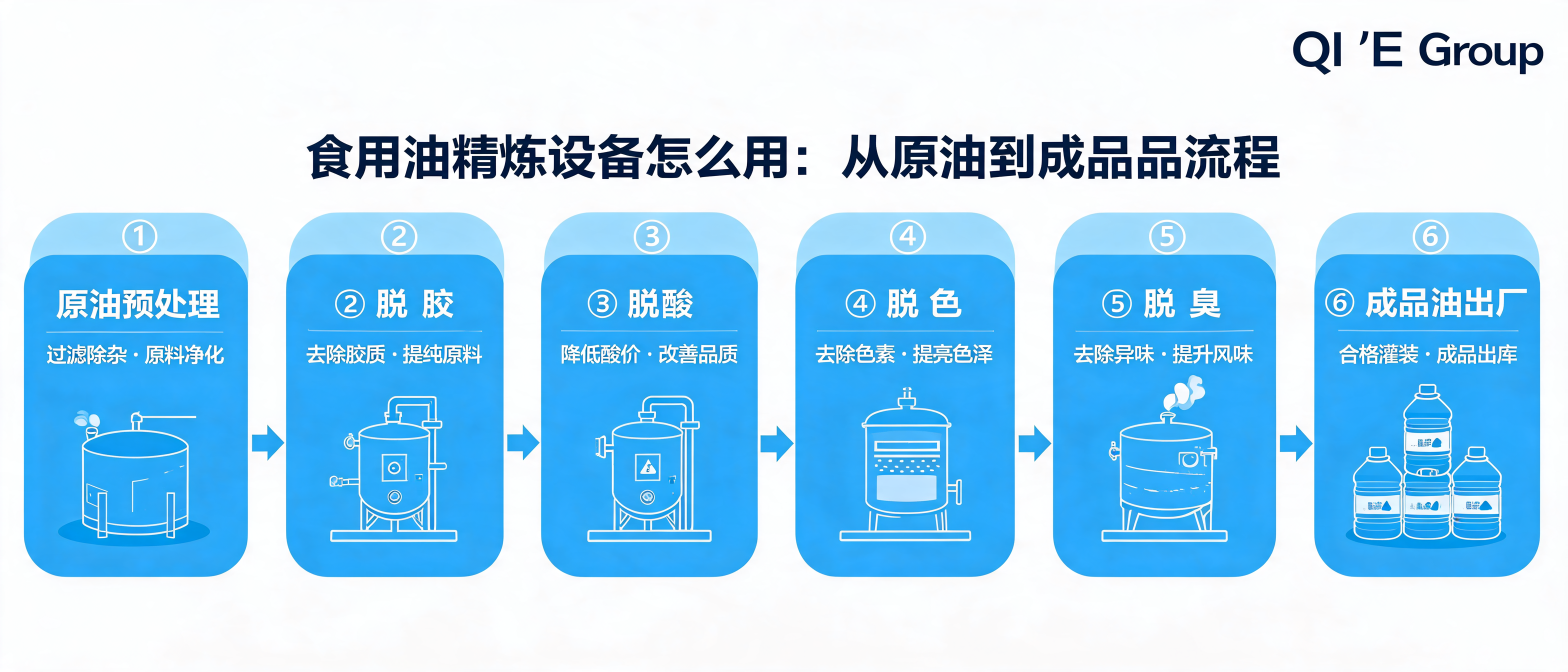
Refining equipment for processors whose production scope includes treatment of crude edible oil after extraction.
A sesame oil grinding machine is commonly understood as equipment used to process sesame for oil extraction. In production planning, it is important to distinguish grinding or preparation functions from the actual pressing function. The appropriate machine configuration depends on the desired extraction process, output scale and the quality profile sought for the finished sesame oil.
| Pressing Method | Processing Principle | Typical Consideration |
|---|---|---|
| Cold Press | Extraction at relatively low temperatures. | Often selected where preservation of natural flavor, aroma and nutritional components is important. |
| Hot Press | Sesame is heated before extraction. | Can support oil yield objectives; processors should evaluate its fit with their product requirements. |
| Hydraulic Press | High pressure is applied to express oil from the material. | Commonly considered for processes seeking controlled pressing with limited heat generation. |
| Screw Press | A rotating screw continuously compresses seeds and separates oil from press cake. | A widely used option for continuous sesame oil extraction operations. |
The price of sesame oil extraction equipment should be reviewed in relation to its technical scope and the processing system around it. A meaningful comparison considers whether the requirement is for an individual sesame oil press or for equipment integrated into a larger oil production line.
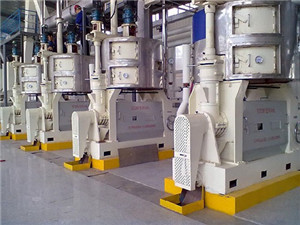
Equipment selection is more reliable when it follows the actual material flow. For a sesame oil processing project, the process may include raw sesame preparation, pressing, crude oil collection and, where applicable, subsequent refining. The final configuration should be determined by the processor's product plan, available space, operational workflow and capacity target.
Pressing temperature and extraction method are important considerations for processors seeking to retain the characteristic flavor and aroma of sesame oil.
Equipment designed for accessible cleaning and maintenance supports orderly food production operations and helps reduce avoidable process interruptions.
The remaining sesame press cake is a process by-product that may be considered for suitable downstream uses, subject to the processor's own application requirements.
Qi'e Grain and Oil Machinery Co., Ltd. develops, manufactures and supports oil pressing equipment, oil production line equipment and edible oil refining equipment for B2B processing projects. For sesame oil machinery, a clear discussion of raw material, pressing method, capacity and required processing stages provides the foundation for evaluating an appropriate configuration and a relevant equipment quotation.

 480
|
 Qi'e Grain and Oil Machinery Co., Ltd. edible oil refining equipment project implementation installation and commissioning technical service
495
|
Qi'e Grain and Oil Machinery Co., Ltd. production line selection raw material compatibility capacity planning oil yield equipment configuration
360
|
483
|
Qi'e Grain and Oil Machinery cold press oil machine oil pressing equipment solvent extraction machine vegetable oil processing equipment
 339
|
Qi'e Grain and Oil Machinery oil processing equipment selection oil pressing production line edible oil refining equipment oil mill project configuration