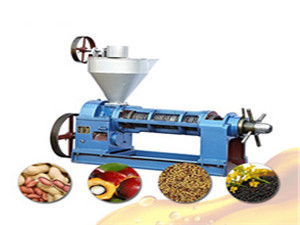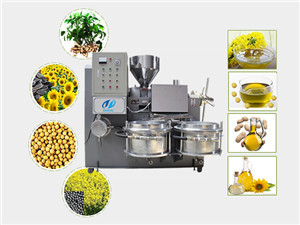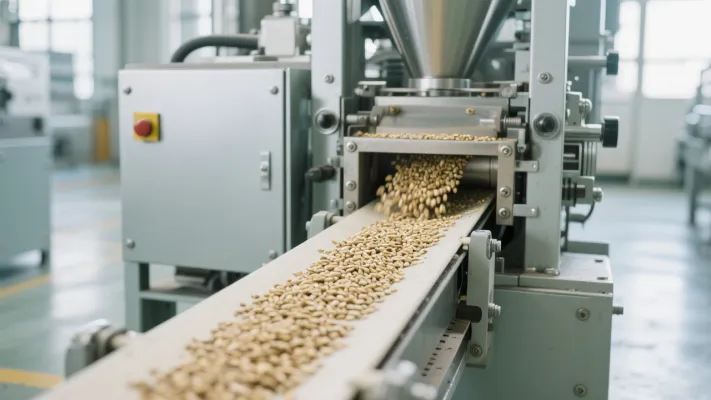
Sesame oil, a versatile and nutrient-rich oil derived from sesame seeds, continues to gain momentum across various industries worldwide. This deep-dive analysis explores the current landscape and emerging trends in the global sesame oil market, underpinned by robust data and expert insights. We focus on its multifaceted applications in food, dietary supplements, and cosmetics, highlighting how these sectors drive consumer demand and redefine market potential.
According to the latest market research reports, the global sesame oil market was valued at approximately USD 1.2 billion in 2023 and is projected to grow at a CAGR of 5.3% through 2028. Asia-Pacific leads consumption due to traditional usage and rising health awareness, accounting for over 60% of global demand. North America and Europe are witnessing robust growth driven by increasing interest in natural and clean-label products.
Key exporters such as India, Myanmar, and Ethiopia dominate supply chains, with export volumes surging in response to expanding industrial applications. Supply-side challenges, including seasonal variations and raw material quality, continue to define competitive dynamics. Companies that innovate in cold-press extraction technologies and cold-chain logistics outperform in maintaining product integrity and market share.
| Region | 2023 Market Size (USD Billion) | CAGR (2023-2028) |
|---|---|---|
| Asia-Pacific | 0.75 | 5.8% |
| North America | 0.22 | 4.9% |
| Europe | 0.18 | 5.1% |
Sesame oil’s nutritional profile rich in antioxidants, omega-6 fatty acids, and vitamin E has spurred its adoption beyond traditional culinary uses. In the food industry, it is highly favored for salad dressings, frying, and flavoring due to its distinctive aroma and smoke point. The growth of health-conscious consumer segments propels demand for cold-pressed and organic variants that retain bioactive compounds.
Within dietary supplements and functional foods, sesame oil’s proven benefits in cardiovascular health and anti-inflammatory properties have resulted in its inclusion in capsules and fortified products. The global functional foods market, expected to exceed USD 275 billion by 2028, leverages sesame oil as a key ingredient to target wellness-focused consumers.
The cosmetics sector values sesame oil for its moisturizing, anti-aging, and UV-protective qualities. Its applications in skincare creams, hair oils, and body lotions align with the rising preference for natural and sustainable beauty products. This segment is expected to realize a CAGR of approximately 6.2% in the sesame oil-dependent formulations through 2028.
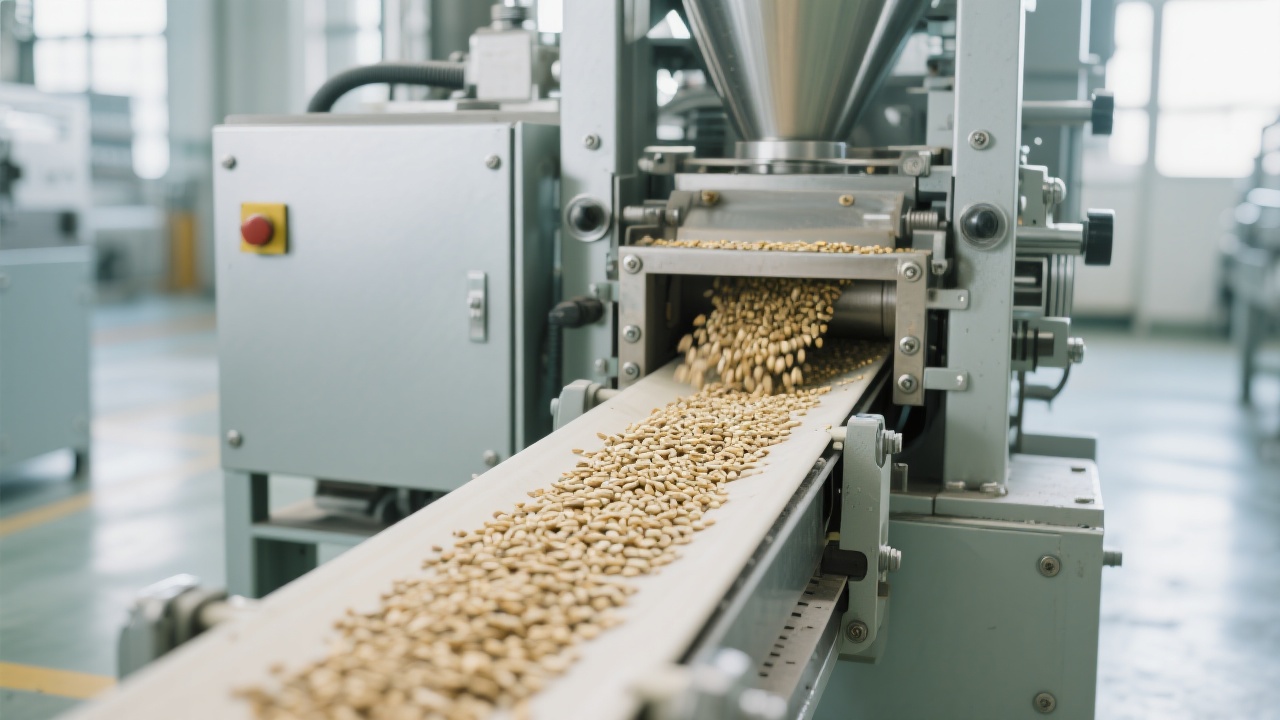
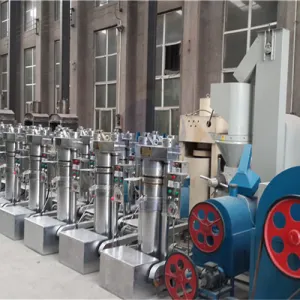
Advanced cold-press and solvent-free extraction methods contribute significantly to preserving sesame oil’s nutritional and sensory qualities. Emerging technologies such as supercritical CO₂ extraction and membrane filtration optimize purity and shelf-life, addressing consumer demands for premium-grade oils.
Integration of IoT-enabled monitoring systems in pressing machinery enhances operational efficiency and traceability for exporters, ensuring compliance with stringent international quality standards like ISO 22000 and HACCP. Case studies of leading producers adopting digital quality control highlight reduced downtime and improved yield rates by up to 15%.
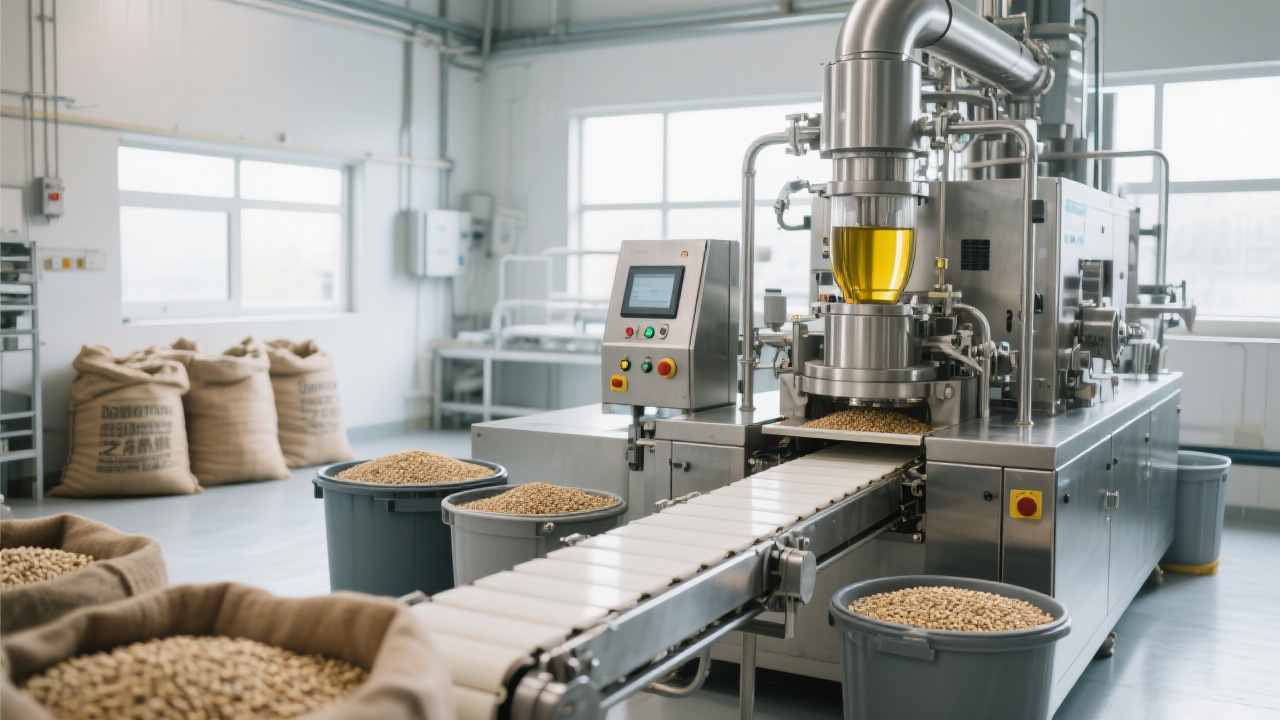
Exporters must segment target buyers precisely: bulk purchasers from food processors and health supplement manufacturers prioritize consistent quality and compliance, while cosmetic ingredient buyers seek traceability and value-added certifications (e.g., organic, non-GMO).
Recommended marketing strategies include:
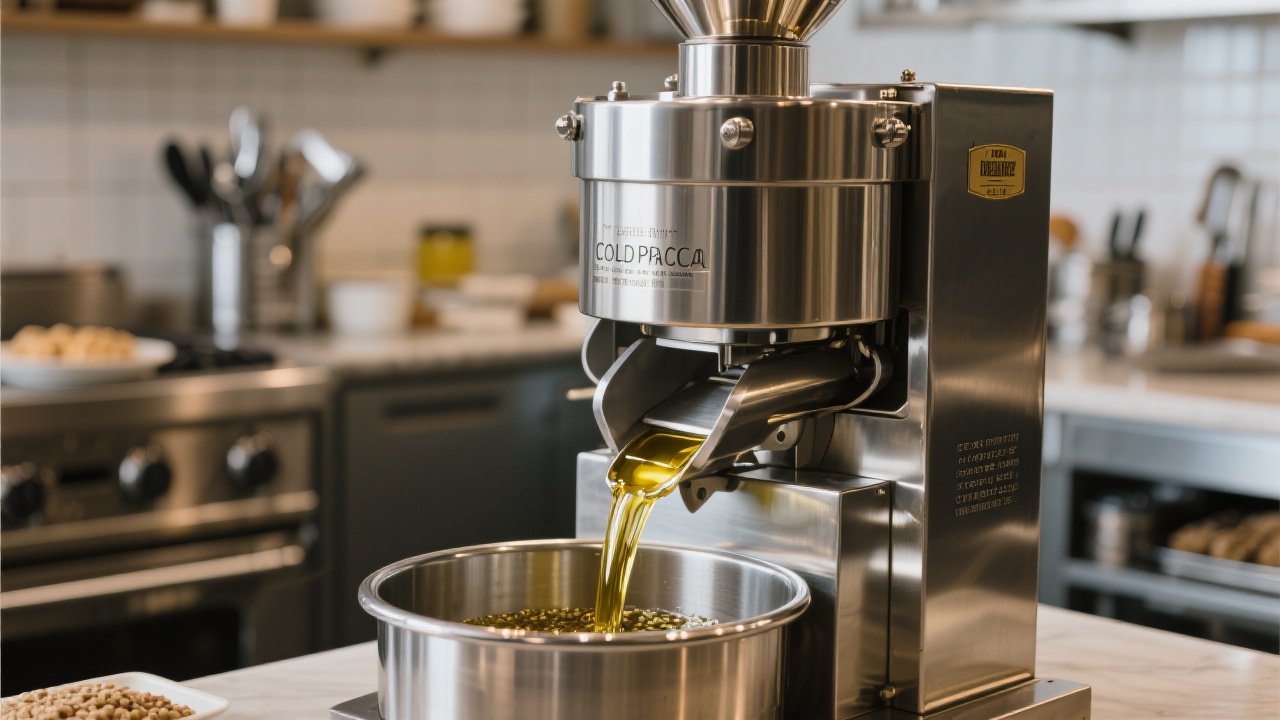
Incorporating user feedback loops via surveys and comments on digital platforms can further refine product offerings and messaging to international buyers’ evolving preferences, fostering trust and long-term partnerships.

 364
|
364
|
 Sesame Oil Maker Machine
Sesame Oil Press Machine
Screw Oil Press Machine
High Yield Sesame Oil Maker
Cost-effective Sesame Oil Production
Easy Operation Sesame Oil Press
Commercial Sesame Oil Production
Home Use Sesame Oil Maker
Versatile Oil Press Machine
Sesame Oil Maker Machine
Sesame Oil Press Machine
Screw Oil Press Machine
High Yield Sesame Oil Maker
Cost-effective Sesame Oil Production
Easy Operation Sesame Oil Press
Commercial Sesame Oil Production
Home Use Sesame Oil Maker
Versatile Oil Press Machine
 362
|
peanut oil extractor
eco-friendly oil pressing machine
mid-sized peanut oil press
African peanut oil production
European oil processing equipment
362
|
peanut oil extractor
eco-friendly oil pressing machine
mid-sized peanut oil press
African peanut oil production
European oil processing equipment
 185
|
small sesame oil press machine
cold press sesame oil equipment
how to choose sesame oil extractor
home sesame oil production
manual vs electric oil press
185
|
small sesame oil press machine
cold press sesame oil equipment
how to choose sesame oil extractor
home sesame oil production
manual vs electric oil press
 243
|
peanut oil extraction methods
hot-pressing vs cold-pressing peanuts
peanut oil production process
243
|
peanut oil extraction methods
hot-pressing vs cold-pressing peanuts
peanut oil production process
 378
|
Medium and large sesame oil press machine selection guide
Automatic sesame oil production equipment daily maintenance methods
Sesame oil press machine operation process and techniques
Industrial sesame oil press machine maintenance points
Comparison and analysis of hot and cold pressing processes
378
|
Medium and large sesame oil press machine selection guide
Automatic sesame oil production equipment daily maintenance methods
Sesame oil press machine operation process and techniques
Industrial sesame oil press machine maintenance points
Comparison and analysis of hot and cold pressing processes







.jpg)