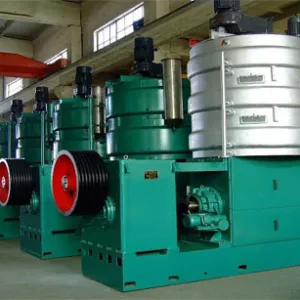
The global sesame oil market is undergoing rapid transformation—driven by rising health consciousness, culinary innovation, and demand for natural ingredients across food, cosmetics, and wellness industries. According to Statista (2024), the market size reached USD 2.1 billion in 2023 and is projected to grow at a CAGR of 6.3% through 2030, with emerging markets like Southeast Asia, Africa, and the Middle East leading the charge.
Today’s consumers don’t just want taste—they seek purpose. Cold-pressed sesame oil, rich in antioxidants like sesamin and sesamolin, has become a staple in functional foods and premium skincare formulations. In India and Japan, where traditional medicine meets modern nutrition, sesame oil is now promoted as a heart-healthy fat alternative to palm or soybean oil.
| Region | Annual Growth Rate (2023–2030) | Key Drivers |
|---|---|---|
| Southeast Asia | 7.9% | Rising middle class, plant-based diets |
| Middle East | 6.5% | Halal-certified products, luxury skincare trends |
| Africa | 8.2% | Import substitution policies, growing agro-processing sector |
The shift from traditional hot-pressing to cold-press extraction methods isn't just about flavor—it's about quality assurance. Cold-pressed oils retain more nutrients and have better shelf stability, making them ideal for export markets that prioritize clean-label claims. For instance, a case study from a Malaysian processor showed a 30% increase in export value after switching to automated cold-press systems, reducing labor costs while improving consistency.
Pro Tip: If you’re targeting EU or North American buyers, ensure your facility complies with ISO 22000 and HACCP standards—these certifications are no longer optional but essential for trust-building.
Market entry success hinges on understanding local regulations and consumer expectations. For example, the UAE requires mandatory halal certification for all edible oils, while the U.S. FDA mandates clear labeling of allergens—even trace amounts. Meanwhile, logistics matters: refrigerated containers for cold-pressed oils can add 15–20% to shipping costs, so plan accordingly.
But here’s the good news: many small-to-mid-sized producers are finding their niche by focusing on sustainability—from organic sourcing to carbon-neutral production. This not only aligns with ESG trends but also differentiates your brand in crowded B2B spaces like Alibaba or Amazon Business.
Whether you're exploring new markets or optimizing your current supply chain, our industrial-grade sesame oil press solutions help you meet global standards efficiently.
Explore Our Industrial Sesame Oil Press Solutions




.jpg?x-oss-process=image/resize,m_fill,h_300,w_300/format,webp)