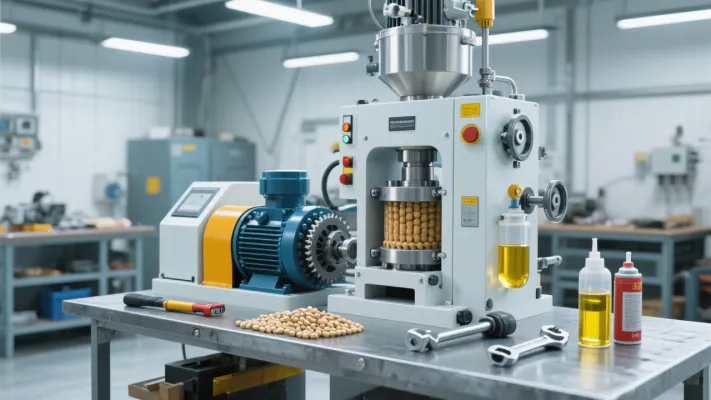
When choosing a medium or large sesame oil press, it's crucial to understand the technical parameters and production characteristics of different models. For instance, a small - scale medium - sized press might have a production capacity of 50 - 100 liters per hour, while a large - scale one can reach 200 - 500 liters per hour. The automation level also varies. Some presses offer semi - automated features, where operators need to manually load raw materials and adjust some parameters, while fully automated ones can handle the entire process from raw material feeding to oil output with minimal human intervention.
To make a reasonable choice, you should first analyze your actual production needs. If your factory has a high - volume demand, a large - scale, fully automated press would be more suitable. However, if your production volume is relatively stable but not extremely high, a semi - automated medium - sized press might be a cost - effective option.
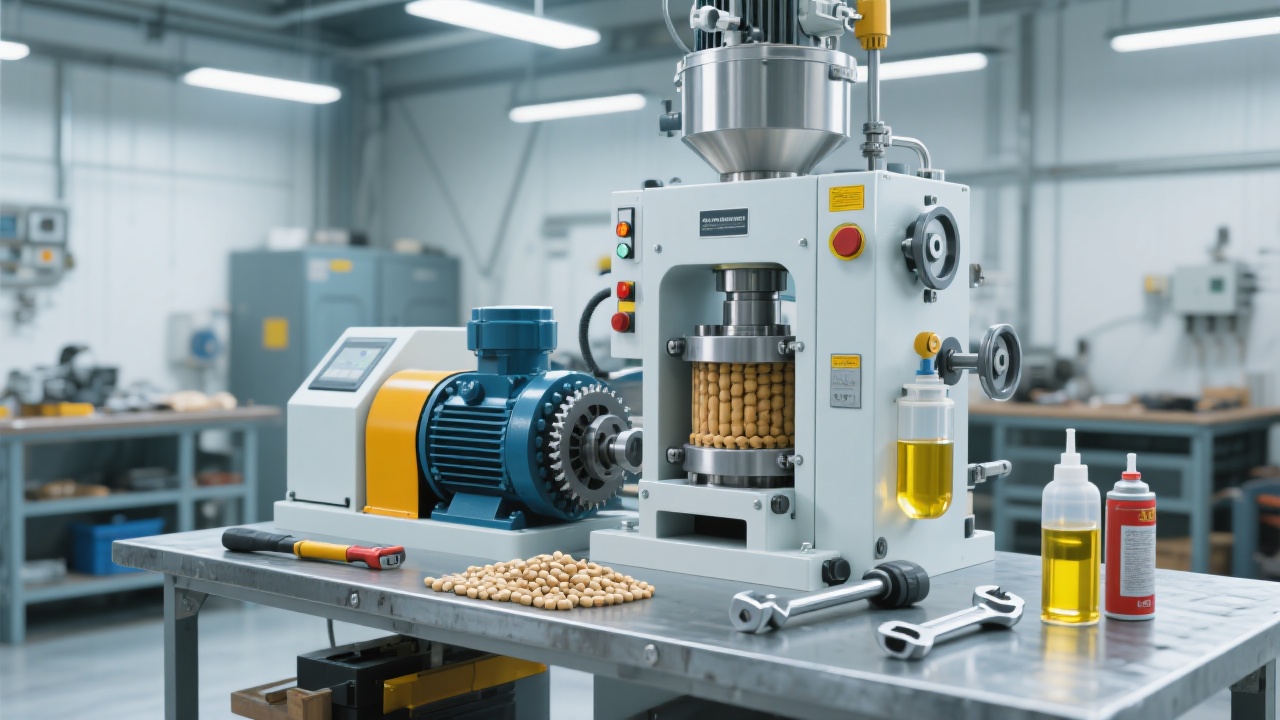
The operation process of sesame oil production equipment involves several key steps. First, raw material pre - treatment is essential. Sesame seeds need to be cleaned to remove impurities such as stones, dust, and broken seeds. Then, depending on the production technology, they can be pre - heated. Cold - pressing technology usually requires the seeds to be at a lower temperature (around 30 - 40°C), while hot - pressing technology heats the seeds to 100 - 120°C. This affects the oil yield and quality. Cold - pressed oil generally has a more natural flavor and higher nutritional value, while hot - pressed oil has a higher yield.
During the pressing process, the equipment applies pressure to the seeds to extract the oil. The pressure can range from 20 - 50 MPa, depending on the type of press and the raw materials. After pressing, the oil needs to be filtered to remove any remaining solids. This can be done through a multi - stage filtration system, including coarse filtration and fine filtration.
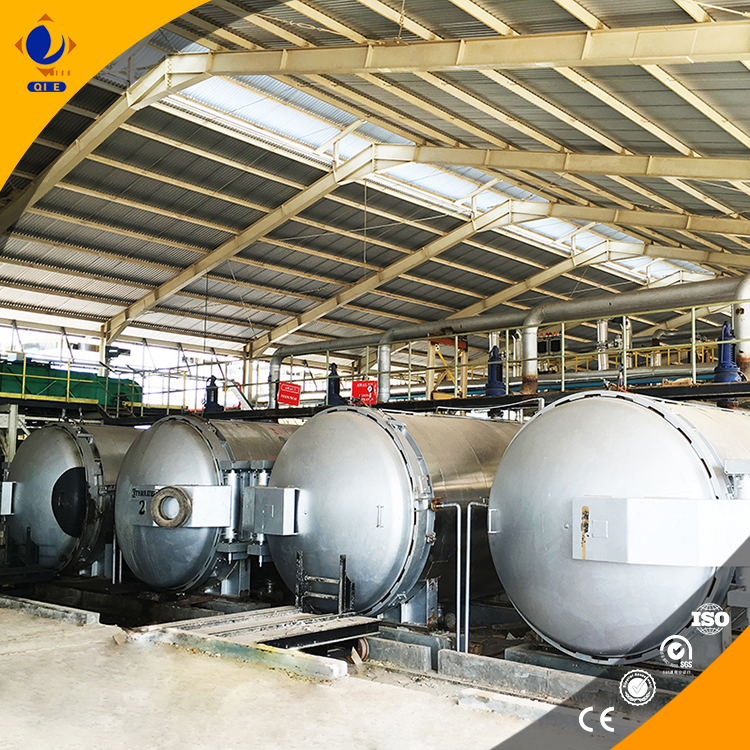
Regular maintenance is the key to ensuring the stable and efficient operation of sesame oil production equipment. Daily cleaning is necessary to prevent the accumulation of oil residues and impurities. You should clean the feeding hopper, pressing chamber, and oil collection tank every day. Use a soft brush and a suitable cleaning agent to avoid damaging the equipment.
Lubrication is also crucial. The moving parts of the press, such as the gears and bearings, need to be lubricated regularly. Use high - quality lubricants recommended by the manufacturer. Check the lubricant level at least once a week and refill if necessary.
Key components inspection is another important part of maintenance. Check the belts for wear and tear, and adjust the tension if needed. Inspect the electrical components for any signs of damage or loose connections. For example, check the motor's insulation resistance regularly, and it should be above 1 MΩ.
When it comes to troubleshooting, common problems include low oil yield, abnormal noise, and oil leakage. If the oil yield is low, it could be due to improper raw material pre - treatment, incorrect pressing pressure, or worn - out pressing parts. Abnormal noise might indicate a problem with the bearings or gears. Oil leakage could be caused by damaged seals or gaskets.
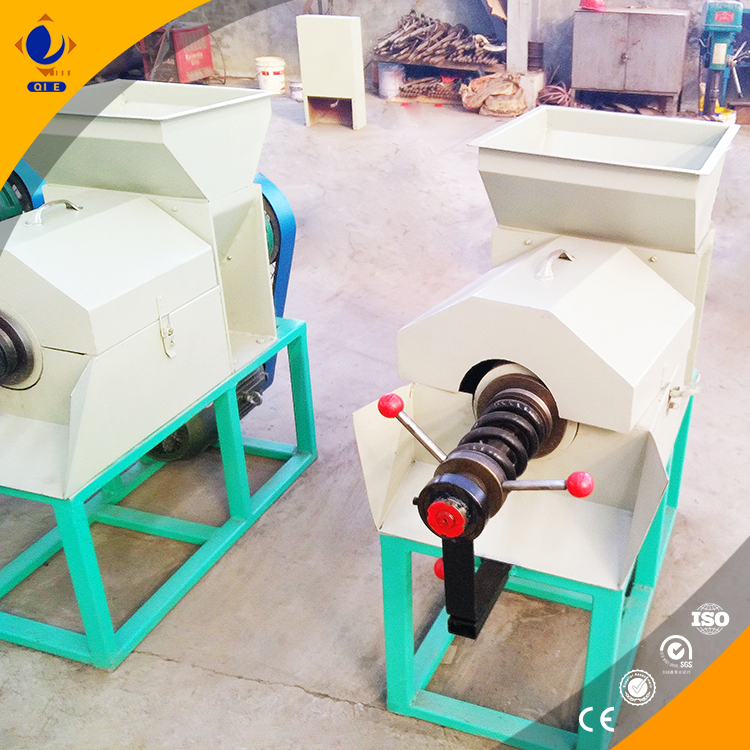
A sesame oil production factory in [Location] used to face frequent equipment breakdowns and low production efficiency. After implementing a comprehensive maintenance plan, including daily cleaning, regular lubrication, and key component inspections, they reduced their maintenance costs by 30% and increased their production efficiency by 20%. This shows that proper maintenance can bring significant cost savings and productivity improvements.
To learn more about equipment maintenance techniques, please visit our official website to download the Equipment Maintenance Check List or schedule a technical consultation at CTA - URL. By following these practical strategies, you can ensure the long - term, efficient operation of your sesame oil production line.





.jpg?x-oss-process=image/resize,m_fill,h_300,w_300/format,webp)


