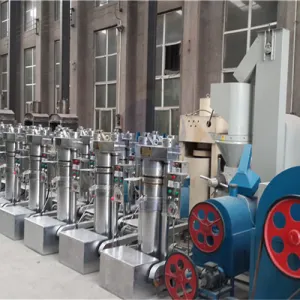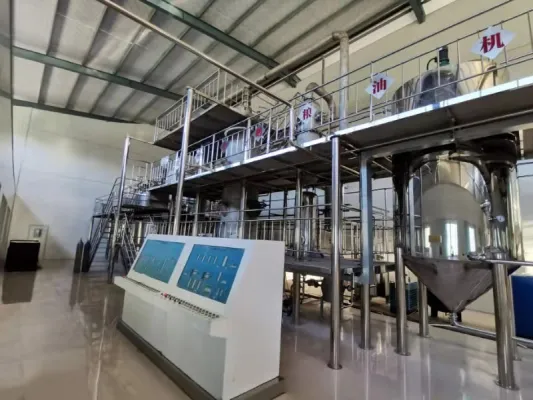
For small-to-mid-sized sesame oil producers aiming to compete globally, mastering the industrial process isn’t just about volume—it’s about consistency, purity, and shelf-life. A recent study by the International Journal of Food Science & Technology found that up to 40% of quality complaints in edible oils stem from poor temperature control during refining—especially in the deodorization stage.
The journey from raw sesame seeds to premium bottled oil involves six critical phases:
| Stage | Key Objective | Optimal Temp Range (°C) |
|---|---|---|
| Seed Cleaning | Remove impurities (dust, stones, broken seeds) | Room temp (20–25°C) |
| Pre-Pressing & Dehulling | Increase oil yield by removing shells | 60–70°C |
| Hot Press Extraction | Maximize extraction efficiency | 100–120°C |
| Filtration & Degumming | Remove phospholipids, proteins | 70–80°C |
| Deacidification | Neutralize free fatty acids | 120–140°C |
| Final Refining | Improve oxidative stability and clarity | 150–180°C (with nitrogen purge) |
Here’s what many overlook: each degree above 150°C increases oxidation risk exponentially. According to a 2023 report from the European Olive Council, sesame oil stored at 25°C for 6 months showed a 30% drop in peroxide value when processed above 180°C without proper nitrogen blanketing.
“The real differentiator between commodity-grade and premium sesame oil is not just the seed—but how you handle heat.” — Dr. Lin Wei, Food Engineering Lead at SinoTech Solutions
So, should you go cold-pressed or hot-pressed?
And here’s the kicker: automation isn’t luxury—it’s necessity. One Malaysian producer saw a 22% reduction in batch variability after installing PLC-controlled temperature systems. That means fewer rejected batches, lower waste, and faster time-to-market.
Let’s be honest—you’re not just selling oil. You’re selling trust. Every step must be traceable, repeatable, and compliant with ISO 22000 standards. Because today’s buyers don’t ask “What’s your price?” They ask “How do I know it’s safe?”
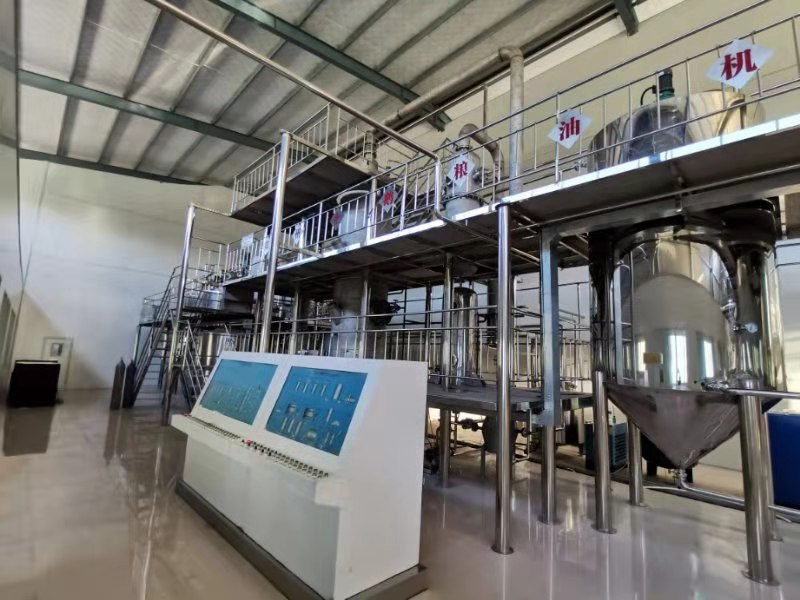
Still wondering why your oil develops rancid notes after shipping? It might not be your supplier—it could be your process.
Want to see how top-tier producers reduce oxidation by 40% while boosting throughput? We’ve compiled a case study on a Nigerian plant that upgraded its deodorizer control system—and doubled export orders in under a year.