In recent years, the global market for sesame oil has witnessed significant growth, driven by the increasing consumer demand for healthy and natural food products. As sesame oil exporters aim to expand their market share and enhance their competitiveness, building a sustainable supply chain system has become a crucial strategy. This article delves into the full - chain sustainable development path of the sesame oil industry, covering key aspects from raw material cultivation to international market integration.
The journey of a sustainable sesame oil supply chain begins at the raw material stage. Green cultivation practices are essential to ensure the quality and safety of sesame seeds. According to FAO, sustainable agricultural methods can increase crop yields by up to 20% while reducing the use of chemical fertilizers and pesticides. Sesame oil exporters should establish partnerships with local farmers, providing them with technical support and incentives to adopt eco - friendly farming techniques.
Effective procurement management is also vital. By implementing strict quality control measures during the purchasing process, companies can ensure that only high - quality sesame seeds enter the production line. This not only improves the final product quality but also reduces waste and production costs. For example, setting clear standards for seed size, moisture content, and purity can help maintain consistent product quality.
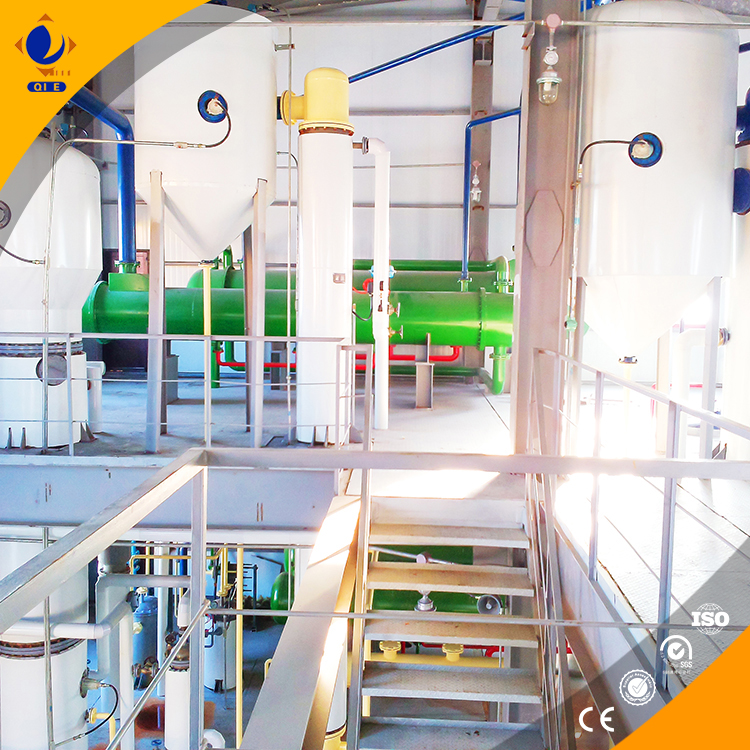
When it comes to the processing stage, the choice between cold - pressing and hot - pressing technologies has a significant impact on product quality and energy consumption. Cold - pressed sesame oil retains more nutrients and natural flavors, which is in line with the global trend of healthy eating. Statista reports that the demand for cold - pressed oils has been growing at an annual rate of 10% in the past five years.
Selecting the right sesame oil press is crucial for optimizing production efficiency. High - efficiency sesame oil presses can reduce energy consumption by up to 30%. For small - scale producers, a small - sized press may be sufficient, while industrial - level operations require large - scale, automated systems. These automated systems not only improve production speed but also enhance the consistency of the final product.
Energy consumption control is another important aspect. By adopting energy - saving technologies and optimizing production processes, companies can reduce their carbon footprint. For example, using advanced insulation materials in the pressing equipment can reduce heat loss, thereby saving energy.
At the circulation stage, obtaining international quality certifications is essential for sesame oil exporters to enter overseas markets. Certifications such as ISO 22000 for food safety and organic certifications can enhance the credibility of the product in the international market. Logistics compliance is also a key factor, ensuring that the product is transported safely and in accordance with international regulations.
Understanding overseas market demand is crucial. Different regions have different preferences for sesame oil in terms of flavor, packaging, and usage. For example, in the food and beverage industry, light - flavored sesame oil may be more popular, while in the cosmetics industry, high - purity sesame oil is in demand. By matching the product features with market demand, companies can increase their market share.

Technology innovation plays a key role in enhancing the efficiency and environmental performance of the sesame oil supply chain. Automated pressing systems can significantly improve production efficiency, reduce labor costs, and minimize human errors. Digital tracking systems, on the other hand, can provide real - time information about the product's journey from the field to the shelf, ensuring transparency and traceability.
Cross - regional cooperation and standard alignment are also important for building a transparent supply chain. By collaborating with suppliers, partners, and international organizations, companies can share best practices, access new technologies, and meet international standards more effectively. For example, through international cooperation, sesame oil exporters can learn about the latest sustainable development trends and apply them to their own supply chains.
There are many successful cases in the sesame oil industry that demonstrate the business value of a sustainable supply chain. For instance, a sesame oil exporter in Asia managed to increase its market share in the European market by 30% after implementing a sustainable supply chain strategy. By using cold - pressing technology, energy - efficient equipment, and digital tracking systems, the company not only improved product quality but also reduced its environmental impact, which was highly recognized by European consumers.

Are you ready to upgrade your sesame oil supply chain? Do you have an established raw material traceability mechanism in your enterprise? If you are looking for ways to build a sustainable sesame oil supply chain, welcome to leave a message at https://oilproductionprocess.com/products/sesame-oil-press-machine.html?Marketing=CAT to get a customized pressing solution and take your brand to the next level in the international market.





.jpg?x-oss-process=image/resize,m_fill,h_300,w_300/format,webp)

