
For startups and home users, choosing the right small sesame oil press and ensuring its efficient operation can be challenging. This guide will walk you through the key factors in selecting a press, understanding different technologies, and troubleshooting common issues.
When selecting a small sesame oil press, machine capacity is crucial. For home use, a press with a capacity of 5 - 10 kg per hour is usually sufficient. However, for small - scale commercial operations, you may need a machine with a capacity of 20 - 50 kg per hour.

There are two main pressing processes: cold - pressing and hot - pressing. Cold - pressing retains more nutrients in the oil, but the oil yield is generally 5 - 10% lower than hot - pressing. Hot - pressing, on the other hand, can achieve a higher oil yield but may reduce some of the nutritional value of the oil.
The type of motor also affects the performance of the press. AC motors are more common and cost - effective, while DC motors offer better speed control and energy efficiency. In terms of long - term operation, DC motors can save up to 15% of energy consumption compared to AC motors.
Ease of operation is an important factor. Modern small sesame oil presses are designed with user - friendly interfaces. For example, some presses have one - button operation, which significantly reduces the learning curve for new users. Safety design is also crucial. Many presses are equipped with overload protection and emergency stop buttons to ensure user safety.
Maintenance mainly involves cleaning and regular inspections. Cleaning a well - designed press can be completed within 15 - 30 minutes, depending on the complexity of the machine. Regular inspections can prevent potential problems and extend the service life of the press.
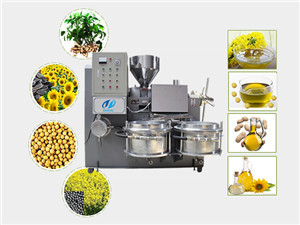
Here is a detailed troubleshooting list for common problems:
| Problem | Possible Cause | Solution |
|---|---|---|
| Abnormal noise | Loose parts, worn - out bearings | Tighten loose parts, replace bearings |
| Poor oil output | Incorrect material moisture, clogged oil outlet | Adjust material moisture, clean the oil outlet |
| Temperature control issues | Faulty temperature sensor, cooling system problems | Replace the temperature sensor, check the cooling system |
Let's take a real - life example. A small startup initially had problems with low oil output. After checking the material moisture and cleaning the oil outlet according to our troubleshooting guide, they increased their oil output by 8% within a week, which significantly improved their production efficiency.
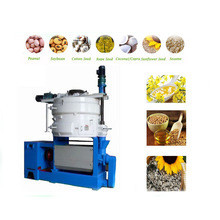
Our small sesame oil presses are known for their high - efficiency, stability, and ease of operation. With our professional after - sales support, you can rest assured that your investment will pay off. Don't miss out on the opportunity to take your small - scale sesame oil production to the next level. Click here to explore our product range!





.jpg?x-oss-process=image/resize,m_fill,h_300,w_300/format,webp)
