
As a factory manager or technician, choosing the right medium to large - scale sesame oil press is crucial for efficient and sustainable production. This article will guide you through the selection, operation, and maintenance of these machines, providing practical insights to help you make informed decisions.
The first step in choosing a sesame oil press is to determine your production capacity requirements. For example, if your factory needs to produce 500 - 2000 kilograms of sesame oil per hour, different models will be more suitable:
| Production Capacity (kg/h) | Suitable Machine Model | Key Features |
|---|---|---|
| 500 - 1000 | Model A | Moderate automation, suitable for medium - sized factories with limited labor resources |
| 1000 - 2000 | Model B | High - level automation, reducing labor intensity and improving production efficiency |
By matching the machine to your production capacity, you can avoid over - or under - investing in equipment, ensuring optimal resource utilization.
The degree of automation in a sesame oil press significantly affects labor requirements and production efficiency. Fully automated machines can reduce the need for manual intervention, minimizing human error and increasing output consistency. For instance, a fully automated machine can handle tasks such as raw material feeding, temperature control, and oil collection without constant supervision, allowing your staff to focus on other important aspects of production.
The operation of a sesame oil press involves several key steps, including raw material pre - treatment and temperature regulation. Before pressing, raw sesame seeds should be cleaned and roasted to the appropriate degree. The temperature during the pressing process also plays a crucial role in determining the oil yield and quality. Generally, a temperature range of 100 - 120°C is recommended for optimal results.
Do you have any experience with temperature control in the sesame oil pressing process? Share your thoughts in the comments below!
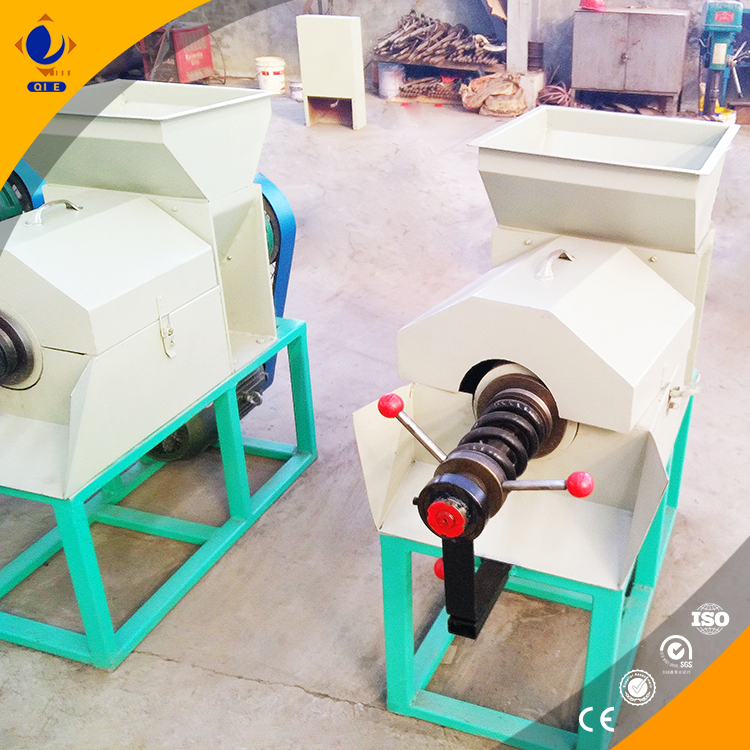
Regular maintenance is essential for extending the lifespan of your sesame oil press and ensuring stable oil quality. Cleaning the machine after each use can prevent the accumulation of residue, which may affect the machine's performance. Lubrication is also crucial to reduce friction between moving parts. As a general rule, lubrication should be carried out every 20 - 30 operating hours.
Common faults in sesame oil presses include blockages and abnormal noises. By regularly checking the machine and following a proper maintenance schedule, you can quickly identify and resolve these issues, reducing downtime and maintenance costs.
Let's take a look at a real - world example. Factory X was facing issues with low oil yield and frequent machine breakdowns. After consulting our experts, they upgraded to a more suitable model and implemented a comprehensive maintenance plan. As a result, their oil yield increased by 15%, and the machine's downtime was reduced by 30%. This case demonstrates the importance of proper machine selection and maintenance in achieving efficient production.
Mastering these details can help you extend the service life of your sesame oil press by up to 3 years! Don't miss out on the opportunity to optimize your production process. Click here to learn more about our high - efficiency sesame oil press equipment and start your journey towards efficient and sustainable production today!





