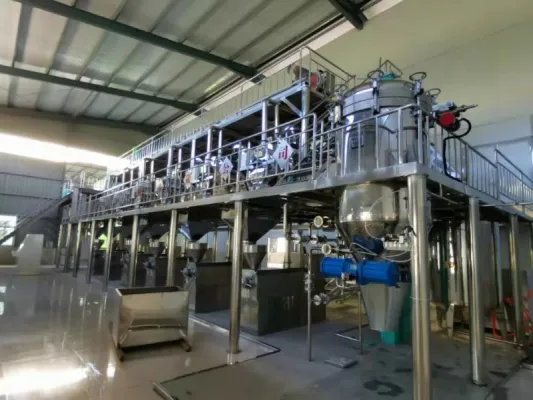
For manufacturers aiming to break into global markets, sesame oil isn’t just a commodity—it’s a quality signal. The difference between a product that wins repeat orders and one that gets rejected at the port? Refining. While many focus on raw material sourcing or packaging, it's the refining process that determines shelf life, oxidative stability, and compliance with international standards like ISO 29172 and EU Regulation (EC) No 1107/2006.
A study by the International Journal of Food Engineering found that controlling refining temperature within ±5°C during deodorization can reduce peroxide value (PV) by up to 35%—a critical metric for export buyers. For example:
| Process Step | Optimal Temp Range (°C) | Impact on PV |
|---|---|---|
| Deacidification | 60–70 | ↓ 25% if maintained accurately |
| Deodorization | 180–200 | ↑ 40% PV if exceeded by 10°C |
This is not theory—it’s what leading exporters like Saffron Oils Ltd. (India) and Golden Seed Co. (China) have implemented since 2021. Their key insight? Consistency beats intensity.
“In our lab tests, even a 2°C deviation during bleaching caused noticeable discoloration under UV light—something buyers notice immediately.”
— Dr. Lin Wei, Senior Process Engineer, Asia Food Research Institute
Manual operations introduce variability. A single batch might be refined too hot due to operator fatigue—or too cold because of inconsistent monitoring. That inconsistency kills trust. In contrast, automated systems with real-time sensors (like those from Siemens or Schneider Electric) ensure every liter meets the same standard. One mid-sized plant in Nigeria reported a 60% reduction in customer complaints after installing an inline FTIR analyzer for free fatty acid detection.
And here’s the kicker: you don’t need a full-scale upgrade overnight. Start with segmental improvements—installing precise thermostats in each refining zone, adding simple PLC-based alarms, and training staff on data-driven adjustments. These steps cost less than $15,000 but deliver ROI in 6–9 months.
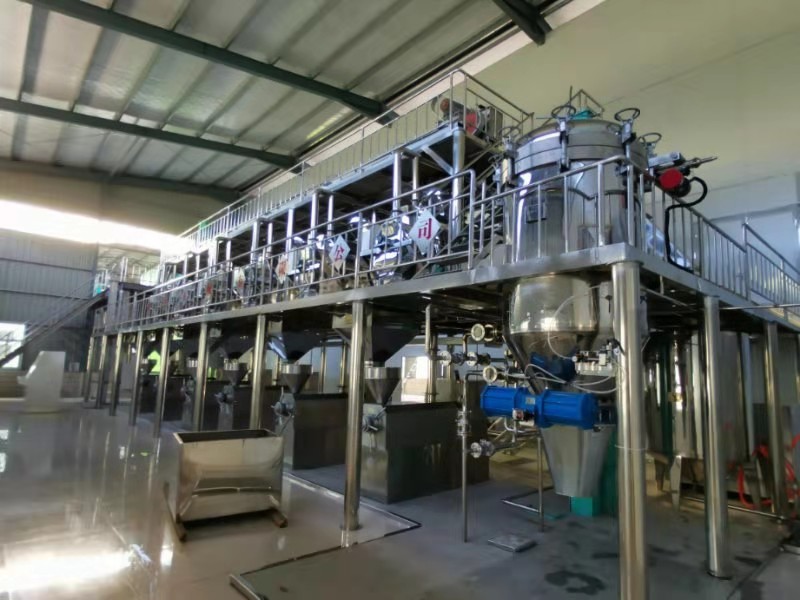
Don’t let poor refining sabotage your export potential. Whether you’re targeting Europe’s strict food safety laws or the Middle East’s demand for premium oils, the path to success starts in the refinery—not the warehouse.
Ready to turn your refining process into a competitive edge?
Download Our Free Refining Optimization Checklist




.jpg?x-oss-process=image/resize,m_fill,h_300,w_300/format,webp)

