For sesame oil producers aiming to break into the European and North American markets, compliance isn’t optional—it’s the foundation of trust. According to the European Food Safety Authority (EFSA), over 40% of food import rejections in 2023 were due to non-compliance with hygiene and chemical safety standards—many involving edible oils. This guide walks you through the critical steps of industrial sesame oil production that directly impact export readiness.
The journey from raw sesame seeds to certified export-grade oil involves six core phases:
| Stage | Purpose | Critical Control Point |
|---|---|---|
| Raw Seed Cleaning | Remove dust, stones, and foreign particles | Moisture content ≤ 8% |
| Pre-Press Dehulling | Separate husk from kernel | Dehulling efficiency ≥ 95% |
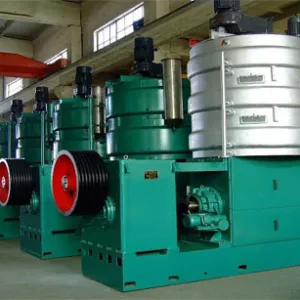
| High-Temperature Pressing | Extract oil efficiently while minimizing oxidation | Temp: 110–130°C (optimal for stability) |
| Filtration & Degumming | Remove phospholipids, free fatty acids, and impurities | Final acidity < 0.1% (measured as oleic acid) |
A case study from a Malaysian processor shows that implementing automated temperature control during pressing reduced peroxide value by up to 35%, significantly improving shelf life and meeting U.S. FDA requirements for oxidative stability (peroxide value < 5 meq/kg).
“Temperature consistency is not just about quality—it’s about avoiding costly recalls.” — Dr. Lena Müller, Food Safety Consultant at IFST
Small-to-medium enterprises often struggle with inconsistent batches. However, investing in semi-automated systems—like PLC-controlled presses and inline moisture sensors—can reduce variability by up to 60%. The ROI? Faster certification cycles, fewer rejected shipments, and stronger buyer confidence.
For example, a Chinese exporter using basic automation achieved ISO 22000 certification within 6 months instead of 12, saving an estimated $18,000 in wasted product and labor costs.
If your goal is long-term competitiveness, stay ahead of trends like enzymatic refining and cold-pressed methods for premium segments. These innovations are gaining traction in the EU organic market, where demand for clean-label sesame oil grew by 22% YoY (Source: Euromonitor, 2024).
Ready to turn your process into a global asset?





.jpg?x-oss-process=image/resize,m_fill,h_300,w_300/format,webp)