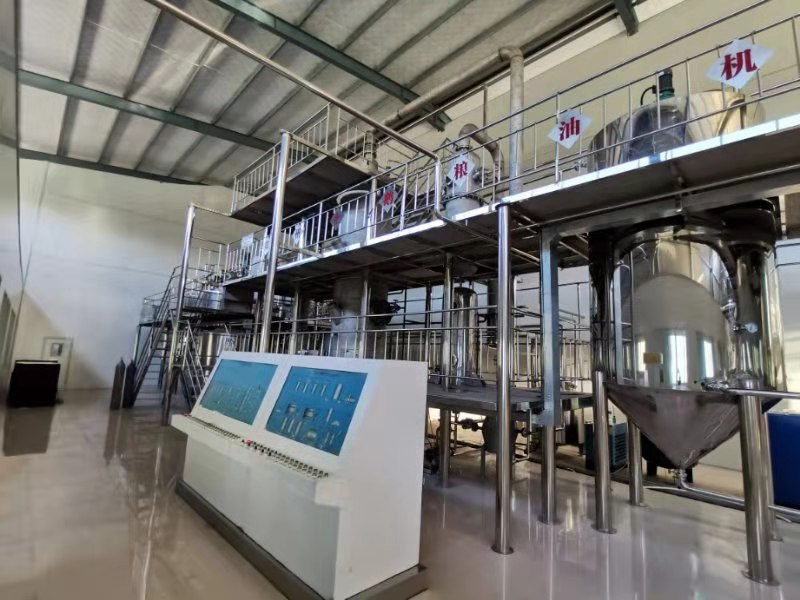
The process of producing export - grade sesame oil begins with the pretreatment of sesame seeds. Cleaning is the first step, which removes impurities such as dust, stones, and broken seeds. Studies have shown that thorough cleaning can improve the initial quality of the seeds by up to 15%, reducing the risk of contaminants in the final oil product. After cleaning, the seeds need to be dried. Proper drying, usually at a temperature range of 100 - 120°C for about 30 - 40 minutes, can reduce the moisture content to an optimal level of 5 - 7%. This not only helps in the subsequent crushing process but also enhances the stability of the oil during extraction. Crushing the dried seeds further breaks down the cell structure, making it easier to release the oil. Different crushing techniques can have a significant impact on the oil yield and quality. For example, a fine - crush can increase the surface area of the seeds, facilitating better oil extraction.
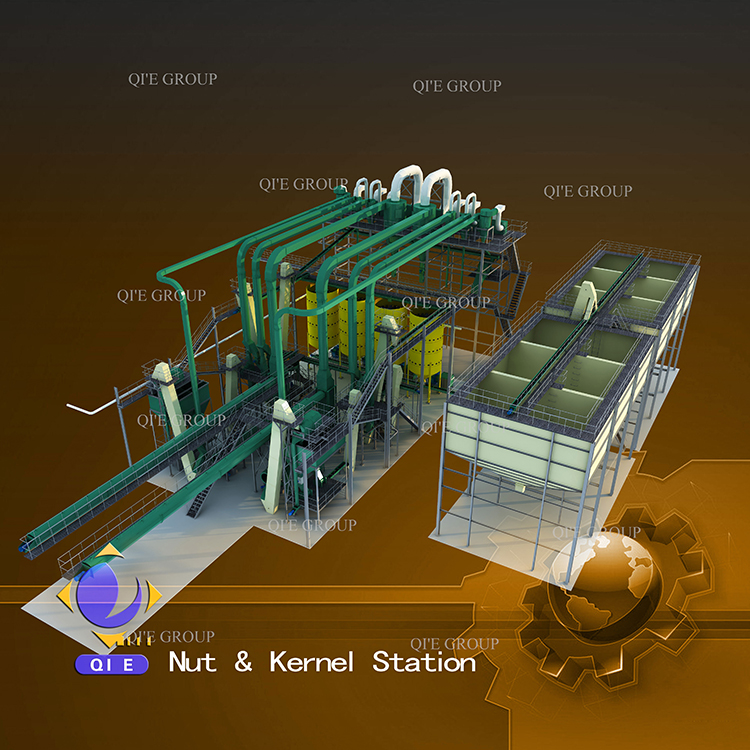
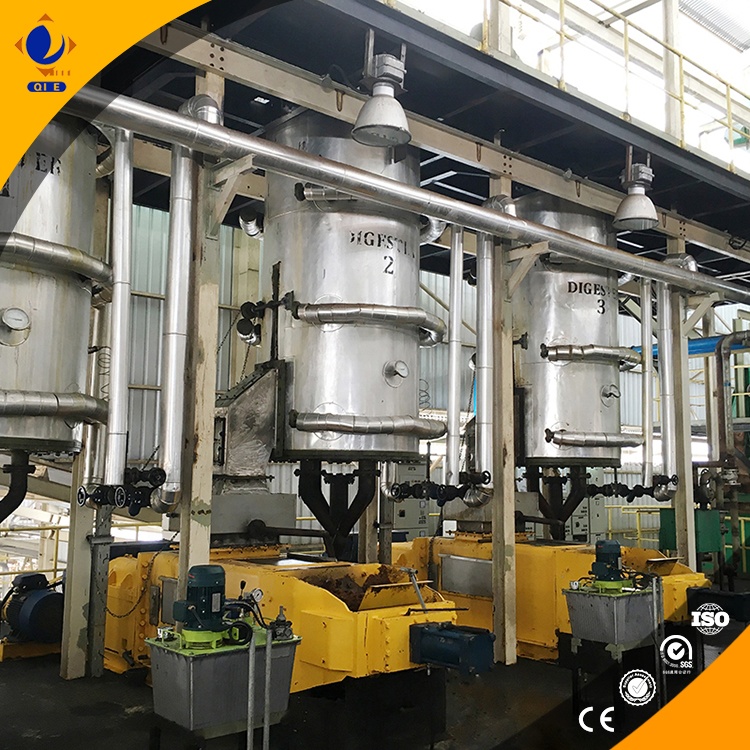
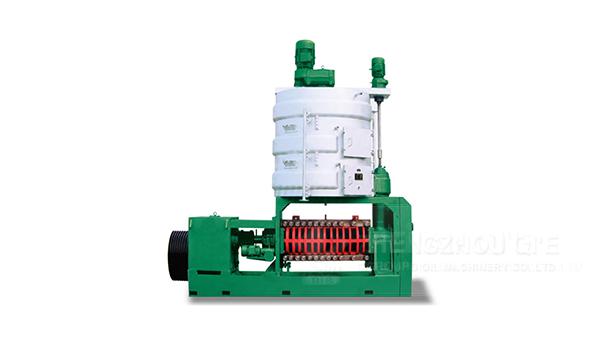
There are two main methods for extracting sesame oil: pressing and solvent extraction. Pressing is a traditional method that physically squeezes the oil out of the seeds. It is known for producing high - quality oil with a natural flavor. However, the oil yield is relatively low, usually around 40 - 45%. On the other hand, solvent extraction uses a chemical solvent to dissolve the oil from the seeds. This method can achieve a higher oil yield, up to 90 - 95%. But it requires more complex equipment and strict safety measures. In a case study of a large - scale sesame oil production plant, it was found that using pressing for the initial extraction and then solvent extraction for the remaining oil in the seed cake could maximize both the quality and quantity of the oil produced. The choice between the two methods depends on factors such as production scale, quality requirements, and cost - effectiveness.
Temperature plays a crucial role in the oil extraction process. During pressing, a moderate temperature of 60 - 80°C can help to maintain the natural flavor and nutritional components of the sesame oil. Higher temperatures may lead to the degradation of some beneficial substances such as antioxidants and vitamins. In solvent extraction, temperature control is even more critical. The extraction process usually takes place at a temperature around 50 - 60°C to ensure efficient dissolution of the oil while preventing the solvent from evaporating too quickly. Scientific temperature control can improve the oil's flavor profile by up to 20% and preserve its nutritional value.
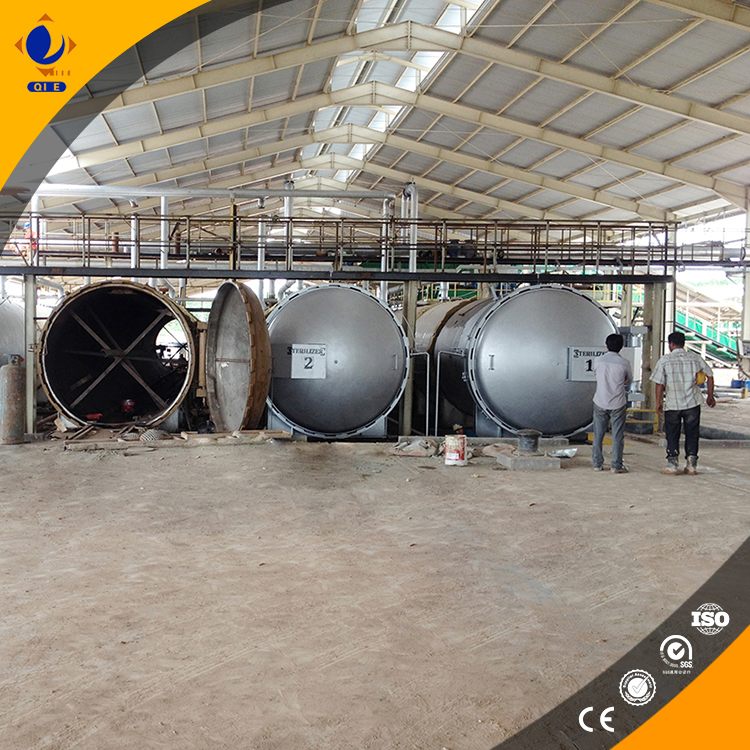
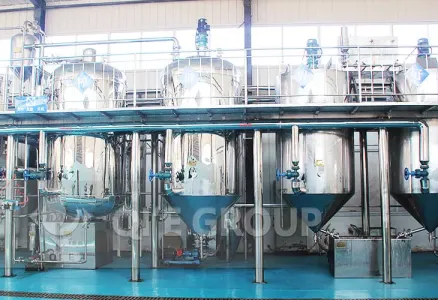
After extraction, the crude oil needs to go through filtration and degumming processes. Filtration removes solid particles and impurities from the oil, improving its clarity and stability. A high - quality filtration system can remove up to 99% of the visible impurities. Degumming, on the other hand, is used to remove phospholipids and other gummy substances. These substances can cause the oil to become cloudy and unstable over time. By using a proper degumming process, the purity of the oil can be increased by 10 - 15%, ensuring a longer shelf - life and better quality of the final product.
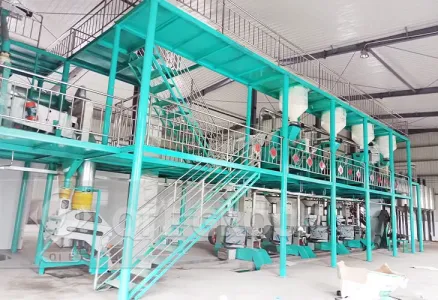
Industrial - grade and small - scale sesame oil production equipment have significant differences in operation. Industrial equipment is designed for large - scale production, with high - capacity and automated features. It can handle large volumes of seeds and has more precise control over the production process. Small - scale equipment, on the contrary, is more suitable for small businesses or home - based production. It is more flexible and easier to operate but may have lower efficiency and less precise control. For example, in terms of temperature control, industrial equipment can maintain a stable temperature within a deviation of ±1°C, while small - scale equipment may have a deviation of ±3 - 5°C.
Common problems in sesame oil production include low oil yield and unpleasant oil odor. Low oil yield can be caused by factors such as improper seed pretreatment, incorrect extraction process settings, or worn - out equipment. By conducting a detailed analysis of the production process, it is possible to identify and solve these problems. For example, if the oil yield is low due to insufficient seed crushing, adjusting the crushing equipment can improve the situation. Unpleasant oil odor can be the result of oxidation, improper temperature control, or the presence of impurities. Regularly checking and maintaining the equipment, as well as following strict production procedures, can help to avoid these issues.
To optimize your sesame oil production process and ensure high - quality export - grade products, choosing the right equipment is crucial. Our advanced sesame oil production equipment is designed to meet the needs of both industrial and small - scale producers. With precise temperature control, efficient extraction technology, and reliable filtration and degumming systems, it can help you achieve higher oil yields and better - quality products. Click here to learn more about our equipment and take your sesame oil production to the next level!

 142
|
142
|
 Industrial Sesame Oil Making Machine
Industrial Sesame Oil Press Machine
Cold Pressing Sesame Oil Machines
Hot Pressing Sesame Oil Machines
Solvent Extraction Sesame Oil Machine
High Efficiency Sesame Oil Extraction
Durable Sesame Oil Production Equipment
Automated Sesame Oil Making Machines
Versatile Sesame Oil Processing Solutions
Energy Efficient Sesame Oil Manufacturing
Industrial Sesame Oil Making Machine
Industrial Sesame Oil Press Machine
Cold Pressing Sesame Oil Machines
Hot Pressing Sesame Oil Machines
Solvent Extraction Sesame Oil Machine
High Efficiency Sesame Oil Extraction
Durable Sesame Oil Production Equipment
Automated Sesame Oil Making Machines
Versatile Sesame Oil Processing Solutions
Energy Efficient Sesame Oil Manufacturing
 458
|
Commercial Sesame Oil Extraction Machine
Sesame Oil Press Machine
Cold Pressing Sesame Oil Extraction
Hot Pressing Sesame Oil Extraction
Solvent Extraction Sesame Oil Machine
Efficient Sesame Oil Production
Durable Sesame Oil Extractors
Automated Sesame Oil Processing
Energy Efficient Sesame Oil Machines
High Yield Sesame Oil Extraction
458
|
Commercial Sesame Oil Extraction Machine
Sesame Oil Press Machine
Cold Pressing Sesame Oil Extraction
Hot Pressing Sesame Oil Extraction
Solvent Extraction Sesame Oil Machine
Efficient Sesame Oil Production
Durable Sesame Oil Extractors
Automated Sesame Oil Processing
Energy Efficient Sesame Oil Machines
High Yield Sesame Oil Extraction
 242
|
multi-functional peanut oil refining equipment
food safety compliant peanut oil refining solutions
peanut oil refining equipment for large and small enterprises
242
|
multi-functional peanut oil refining equipment
food safety compliant peanut oil refining solutions
peanut oil refining equipment for large and small enterprises
 406
|
peanut oil production process
hot-pressed vs cold-pressed peanut oil differences
peanut oil extraction techniques
406
|
peanut oil production process
hot-pressed vs cold-pressed peanut oil differences
peanut oil extraction techniques
 256
|
Sesame Oil Maker Machine
Sesame Oil Press Machine
high efficiency Sesame Oil Maker
best Sesame Oil Maker Machine
affordable Sesame Oil Press
advanced Sesame Oil Maker technology
cost-effective Sesame Oil production
Sesame Oil production machinery
Sesame Oil extraction machine
256
|
Sesame Oil Maker Machine
Sesame Oil Press Machine
high efficiency Sesame Oil Maker
best Sesame Oil Maker Machine
affordable Sesame Oil Press
advanced Sesame Oil Maker technology
cost-effective Sesame Oil production
Sesame Oil production machinery
Sesame Oil extraction machine





.jpg?x-oss-process=image/resize,m_fill,h_300,w_300/format,webp)
.jpg?x-oss-process=image/resize,m_fill,h_400,w_400/format,webp)
.jpg)