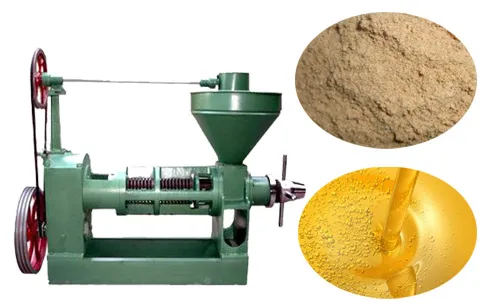
In the global market, sesame oil has long been cherished for its unique aroma and rich nutritional value. As consumer demand for healthy and high - quality food products continues to rise, the importance of production technology in enhancing sesame oil quality has become increasingly prominent. This article delves into how low - temperature cold - pressing technology can effectively improve the quality of sesame oil, providing valuable insights for sesame oil press manufacturers and related enterprises.
Low - temperature cold - pressing technology involves pressing sesame seeds at a relatively low temperature, typically below 60°C. This gentle extraction method helps preserve the unique aroma, nutritional components, and health benefits of sesame oil. Unlike traditional high - temperature pressing methods, low - temperature cold - pressing minimizes the loss of volatile flavor compounds, ensuring that the sesame oil retains its characteristic nutty and fragrant aroma.
From a nutritional perspective, sesame oil is rich in antioxidants such as sesamol and sesamin, as well as unsaturated fatty acids like oleic acid and linoleic acid. High - temperature processing can cause these beneficial substances to oxidize and decompose, reducing the nutritional value of the oil. In contrast, low - temperature cold - pressing maintains the integrity of these nutrients, providing consumers with a healthier and more nutritious product. According to market research, about 70% of consumers are more likely to choose sesame oil that retains high nutritional value.
In small - scale sesame oil production, low - temperature cold - pressing technology is highly flexible. Small - scale producers can use manual or semi - automatic cold - pressing equipment. The process usually starts with cleaning and drying the sesame seeds to remove impurities. Then, the seeds are slowly pressed at a low temperature. This small - batch production allows for better control of the quality and can meet the needs of niche markets, such as artisanal food producers or health - conscious consumers.
For large - scale industrial production, fully automated cold - pressing production lines are employed. These lines can handle a large volume of sesame seeds efficiently. The process includes raw material pre - treatment, low - temperature pressing, oil - residue separation, and refining. Large - scale producers can benefit from economies of scale and ensure consistent product quality. For example, a large - scale sesame oil factory can produce up to 100 tons of cold - pressed sesame oil per month using advanced cold - pressing technology.
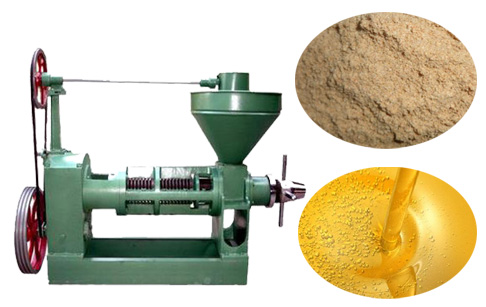
Recent market research shows that sesame oil has diverse applications in the food, health supplement, and cosmetics industries. In the food industry, it is widely used in cooking, salad dressings, and flavoring. The demand for natural and healthy food ingredients has led to an increase in the use of cold - pressed sesame oil in high - end restaurants and home cooking. In the health supplement industry, the antioxidant and anti - inflammatory properties of sesame oil make it a popular ingredient in health products. In the cosmetics industry, sesame oil's moisturizing and nourishing properties are utilized in skin - care products.
The growing consumer preference for products with high nutritional and health value is driving the growth of the sesame oil market. In the past five years, the global market for cold - pressed sesame oil has grown at an average annual rate of 15%, indicating a strong market potential.
Technological innovation, especially the application of low - temperature cold - pressing technology, can help enterprises achieve product differentiation. By offering high - quality cold - pressed sesame oil, companies can stand out in a crowded market. For example, Company A, a leading sesame oil manufacturer, adopted low - temperature cold - pressing technology and successfully positioned its products as premium, healthy, and high - quality. As a result, its market share increased by 20% within two years.
Industry experts believe that technological innovation is crucial for brand building. A brand that emphasizes advanced technology and high - quality products can attract more customers and build long - term brand loyalty. By investing in research and development and promoting technological innovation, sesame oil enterprises can enhance their brand image and market competitiveness.
If you are a sesame oil press manufacturer or related enterprise looking to enhance your market competitiveness, don't miss out on the opportunity to leverage low - temperature cold - pressing technology. Click here to get professional technical guidance and market strategy advice!
We'd love to hear your thoughts. Do you think low - temperature cold - pressing technology is the future of sesame oil production? Share your opinions in the comments below!





