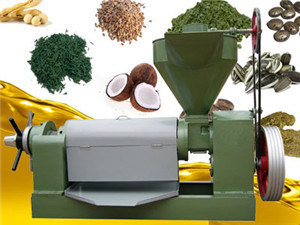
In recent years, sesame oil has emerged as a versatile ingredient in both modern food processing and natural skincare products. According to a recent industry report, the global market for natural ingredients in food and cosmetics is growing at an annual rate of 8%. This trend is driven by consumers' increasing preference for natural and healthy products.
Sesame oil is rich in unsaturated fatty acids and antioxidant components, which give it unique functional values. Unsaturated fatty acids, such as oleic acid and linoleic acid, are essential for human health. They can help reduce cholesterol levels and prevent cardiovascular diseases. Meanwhile, the antioxidant components in sesame oil, such as sesamol and sesamin, can protect cells from oxidative damage, thereby extending the shelf - life of products.
Market research shows that consumers are becoming more and more inclined to choose products containing natural ingredients. In the food industry, 70% of consumers said they would prefer food products with natural seasonings. In the skincare market, 80% of consumers are willing to pay a premium for products made with natural oils.
This shift in consumer preferences has created a huge market demand for sesame oil. Food manufacturers and cosmetic formulators are constantly looking for ways to incorporate sesame oil into their products to meet consumer needs and gain a competitive edge in the market.
When using sesame oil in different applications, it is crucial to determine the appropriate adding ratio. In food processing, for example, when using sesame oil as a flavoring agent in salad dressings, the recommended adding ratio is 5% - 10%. In bakery products, the ratio can be adjusted to 3% - 5%.
In natural skincare products, the adding ratio of sesame oil varies depending on the type of product. For facial creams, a ratio of 10% - 15% is suitable, while for body lotions, 5% - 10% is recommended. To ensure the stability of the products, stability testing is necessary. This can include tests for oxidation stability, thermal stability, and storage stability.
Let's take a look at some real - world examples. A food company added 7% sesame oil to its new line of snack foods. After market testing, the sales of these products increased by 20% compared to the previous version. In the skincare industry, a cosmetic brand incorporated 12% sesame oil into its facial serum. The product received positive feedback from consumers, and the brand's market share in the natural skincare segment increased by 15%.
These case studies demonstrate the practical value of sesame oil in product innovation and market competitiveness improvement. By using sesame oil in a scientific and reasonable way, companies can not only meet consumer demand but also achieve product differentiation.
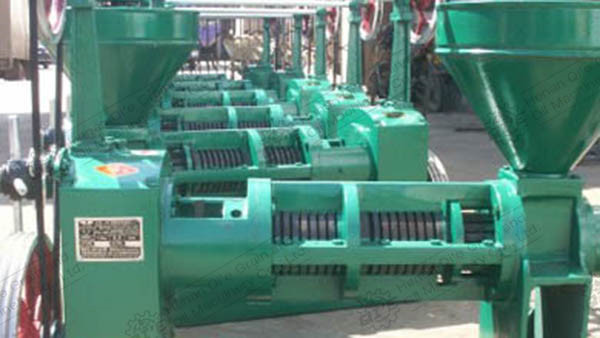
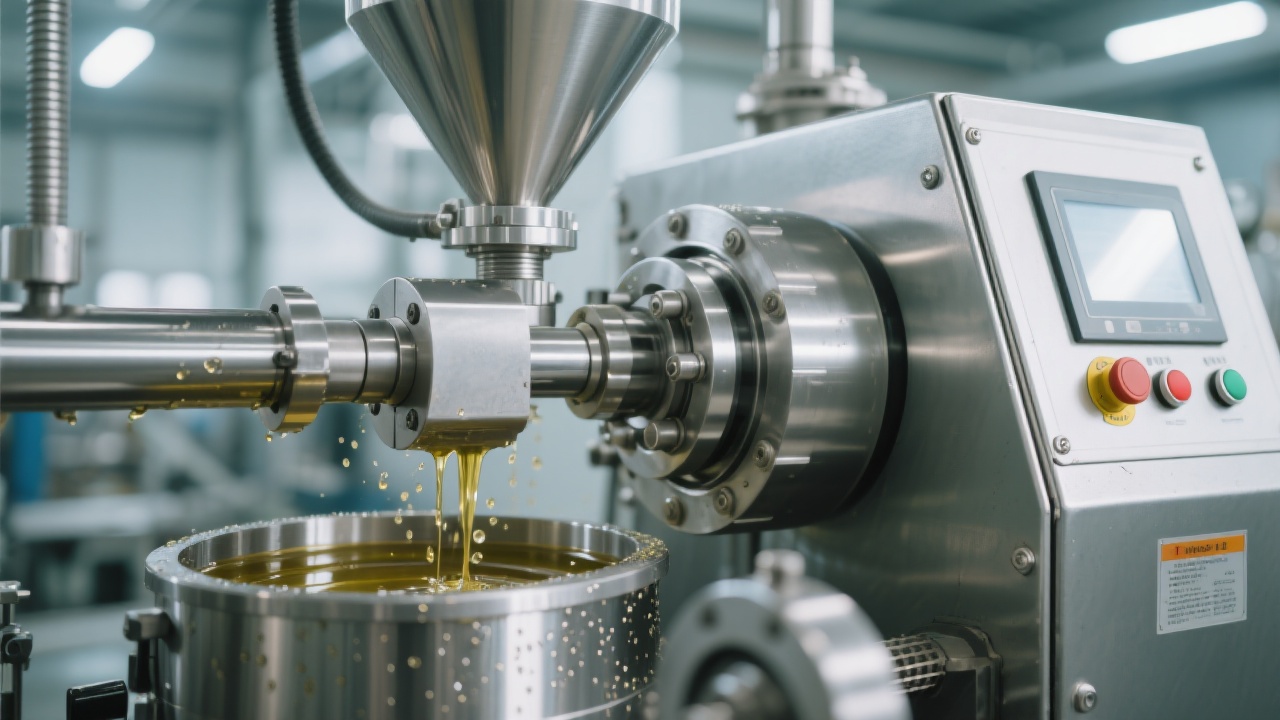
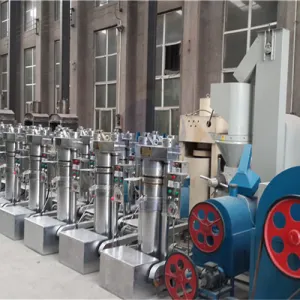
If you are a food developer or a cosmetic formulator, exploring the application of sesame oil in your products can be a game - changer. And to produce high - quality sesame oil, a professional sesame oil manufacturing machine is indispensable. It can ensure the extraction of pure and high - quality sesame oil, which is the key to the success of your product innovation.

 174
|
174
|
 sesame oil skincare
natural hair oil base
face cream formulation
antioxidant-rich oils
stable emulsion techniques
sesame oil skincare
natural hair oil base
face cream formulation
antioxidant-rich oils
stable emulsion techniques
 260
|
customized oilseed preprocessing solutions
oilseed processing line tailored services
versatile preprocessing equipment for oilseeds
260
|
customized oilseed preprocessing solutions
oilseed processing line tailored services
versatile preprocessing equipment for oilseeds
 80
|
multifunctional peanut oil refining equipment
food safety compliant oil refining solutions
industrial-scale peanut oil processing technology
80
|
multifunctional peanut oil refining equipment
food safety compliant oil refining solutions
industrial-scale peanut oil processing technology
 149
|
multifunctional peanut oil refining equipment
peanut oil processing equipment for large-scale production
refining equipment to increase export sales
149
|
multifunctional peanut oil refining equipment
peanut oil processing equipment for large-scale production
refining equipment to increase export sales
 463
|
Stainless Steel Sesame Oil Press Machine
Sesame Oil Extraction Equipment
Cold Pressing Sesame Oil Machine
Hot Pressing Sesame Oil Press
Hydraulic Sesame Oil Press Machine
High Yield Sesame Oil Press
Durable Sesame Oil Press Equipment
Easy Clean Sesame Oil Machine
Energy Efficient Sesame Oil Press
463
|
Stainless Steel Sesame Oil Press Machine
Sesame Oil Extraction Equipment
Cold Pressing Sesame Oil Machine
Hot Pressing Sesame Oil Press
Hydraulic Sesame Oil Press Machine
High Yield Sesame Oil Press
Durable Sesame Oil Press Equipment
Easy Clean Sesame Oil Machine
Energy Efficient Sesame Oil Press








.jpg?x-oss-process=image/resize,m_fill,h_400,w_400/format,webp)