
Sesame oil has transcended traditional culinary uses to become a prized ingredient in both the food industry and natural cosmetics. Known for its rich composition of unsaturated fatty acids, including linoleic acid, and abundant antioxidants like vitamin E, sesame oil delivers remarkable health benefits and stability advantages that are driving global market demand.
According to industry reports, sesame oil is composed of approximately 40-50% polyunsaturated fatty acids, primarily linoleic acid, and 35-45% monounsaturated fats, making it heart-healthy and skin-nourishing. The natural antioxidant profile—largely due to sesamol and vitamin E—not only confers health benefits but also extends shelf life by improving oxidative stability.
In food applications, sesame oil’s versatility is notable—from traditional cold preparations like salad dressings and dipping sauces to innovative uses in baked goods and ready-to-eat snacks. Industry research highlights a 12% year-over-year growth in natural, plant-based oils in the global seasoning market, with sesame oil favored for its rich aroma and nutritional edge.
Product developers often incorporate sesame oil at 2-5% by weight to enhance flavor and maintain desirable oxidative stability. Stability assessments typically involve measuring peroxide values and conducting accelerated oxidation tests, which demonstrate sesame oil’s superior resistance compared to conventional vegetable oils.

Beyond cuisine, sesame oil is gaining traction as a base ingredient in natural skincare and haircare formulations. Its emollient properties and rich antioxidant content help protect skin against environmental oxidative stress and improve moisture retention. Incorporation levels typically range from 3% to 10% depending on product type—such as face creams, serums, or hair oils.
Stability in cosmetic formulations can be enhanced via emulsification testing, where sesame oil’s natural affinity with emulsifiers leads to long-lasting, pleasant textures highly favored by consumers seeking clean-label and plant-derived products.
Market intelligence reveals a rising consumer inclination towards naturally sourced ingredients with verified health benefits. A recent survey indicated that 68% of international buyers in food and cosmetics sectors prioritize products featuring natural oils like sesame oil due to perceived safety and efficacy.
This paradigm shift is compelling exporters and manufacturers to optimize extraction and packaging techniques to preserve sesame oil’s quality during transit and shelf life, unlocking premium pricing potential.
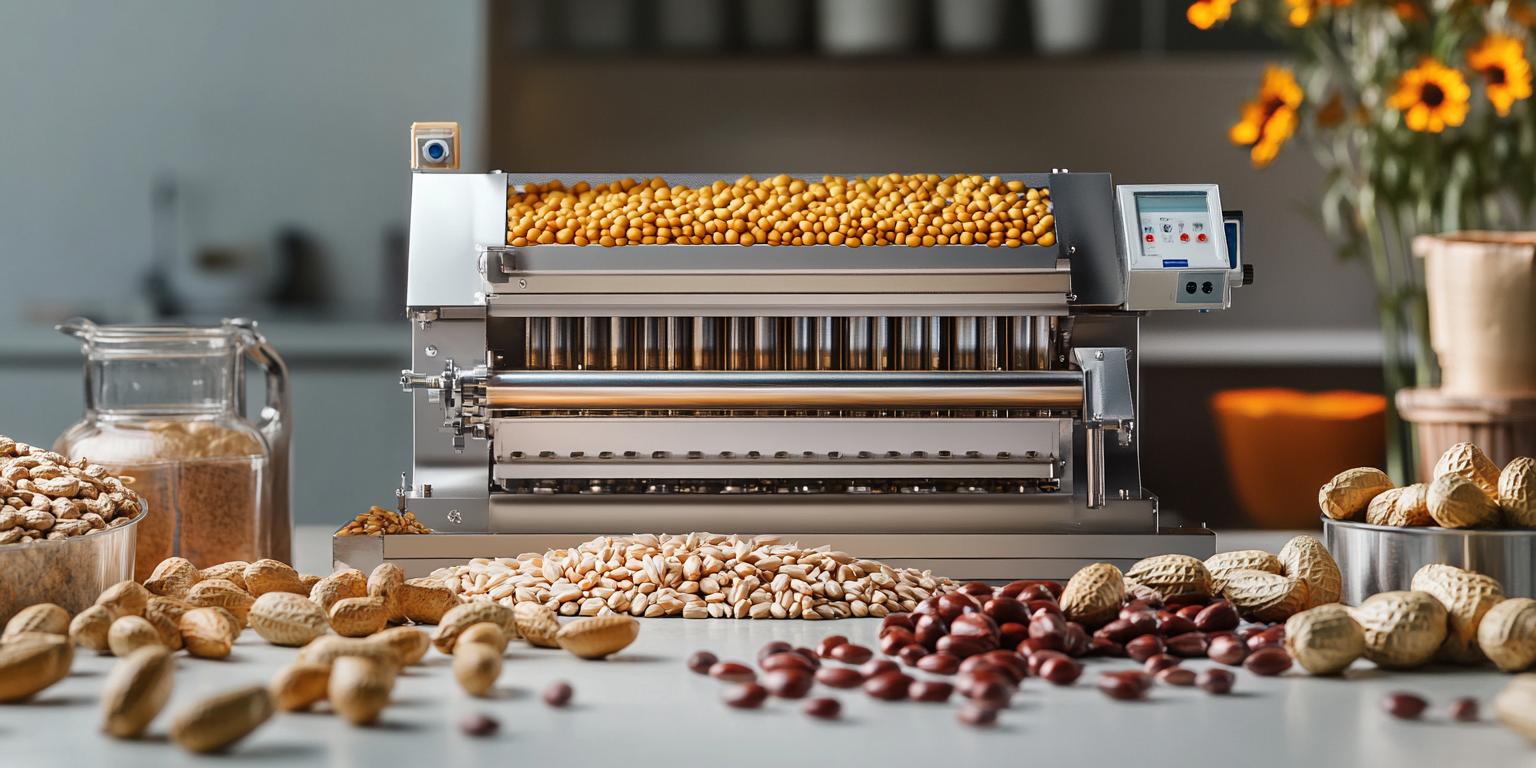
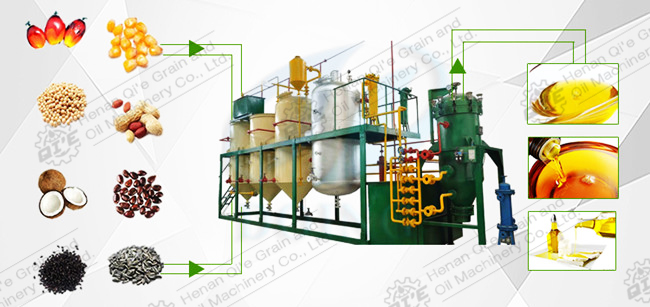
Efficient extraction methods such as cold-pressing combined with advanced filtration ensure that sesame oil retains its bioactive components. Packaging innovations focusing on light and oxygen barrier properties further safeguard product integrity, essential for export markets.
Leading extraction equipment manufacturers report yield improvements of up to 15% with minimal oxidation risk when integrating optimized cold-press and vacuum packaging workflows.








.jpg?x-oss-process=image/resize,m_fill,h_400,w_400/format,webp)