
As a factory manager or technical specialist handling sesame oil production at scale, selecting the right medium to large sesame oil pressing machine is crucial not only for maximizing output but also for optimizing operational costs and ensuring product quality. This comprehensive guide walks you through selection criteria, operational workflows, and maintenance best practices, helping you make informed decisions backed by technical insight.
Choosing the correct press machine depends on multiple factors including required capacity, automation level, energy consumption, and desired oil yield. Below is a comparative overview of typical technical specifications for medium to large-scale models:
| Parameter | Medium Scale Model | Large Scale Model |
|---|---|---|
| Daily Capacity (kg) | 1,000 – 2,500 | 2,500 – 8,000 |
| Screw Speed (rpm) | 35 – 45 | 40 – 55 |
| Oil Yield (%) | 45 – 50% | 48 – 52% |
| Power Consumption (kW) | 7 – 12 | 12 – 25 |
These performance figures can vary depending on your raw sesame seed quality and pre-treatment processes. Modern models provide customizable screw configurations and temperature control to tailor extraction for cold or hot pressing.
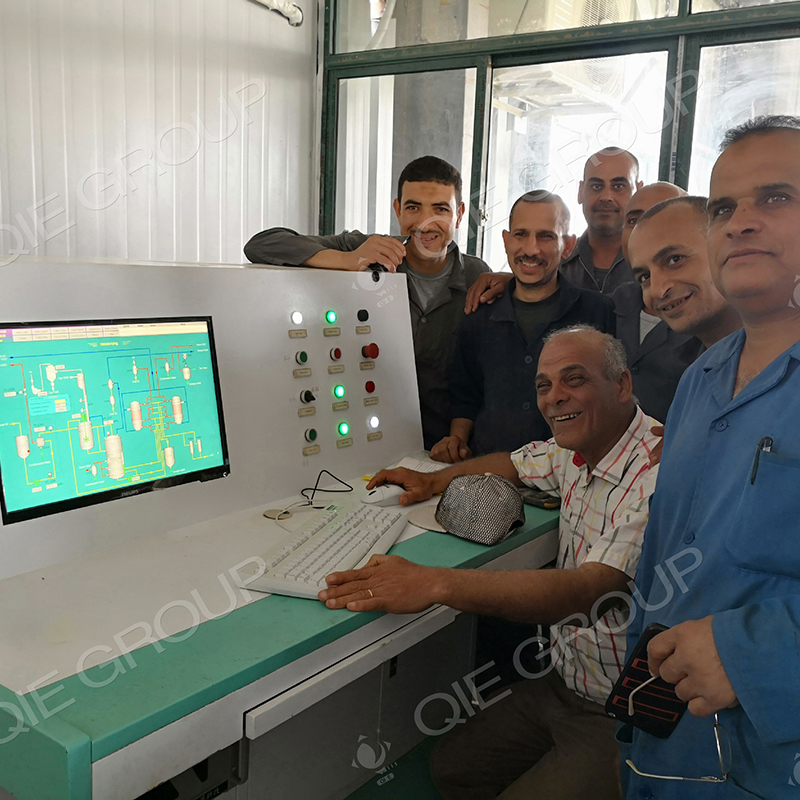
Advancements in automation have brought significant efficiency gains to sesame oil extraction. Fully automated machines include PLC touchscreen interfaces, servo motor controls, and integrated monitoring of parameters such as oil temperature, screw torque, and throughput.
Typical workflow for a fully automated pressing system:
Switching between cold and hot pressing modes typically involves controlling press temperature with integrated heaters or cooling jackets, dramatically influencing oil flavor and yield. Cold pressing preserves aroma and nutrients but yields slightly less oil compared to hot pressing.
Prolonging machine life and reducing unexpected downtime hinge on routine maintenance. Key maintenance tasks include:
| Common Issue | Probable Cause | Recommended Action |
|---|---|---|
| Reduced Oil Yield | Screw wear or inconsistent raw material quality | Replace screw, ensure consistent pre-treatment of seeds |
| Machine Overheating | Cooling system failure or high friction | Check coolant flow, lubricate bearings |
| Frequent Stoppages | Electrical faults or sensor malfunction | Inspect electrical components, reseat connections |
Proactively documenting and scheduling these procedures reduces unscheduled halts and minimizes repair costs.
Pre-treatment such as cleaning, drying to 7–9% moisture, and dehulling significantly improves pressing efficiency by reducing impurities and enhancing oil release. Efficient pre-treatment can increase oil yield by up to 5% compared to untreated seeds.
Cooling systems integrated within the pressing machine help maintain optimal temperature for cold pressing, preserving essential nutrients and aroma. Conversely, hot pressing, maintained at 120–140°C, enables higher extraction but may slightly degrade quality. Balancing these modes according to product positioning is key to meeting market demands.
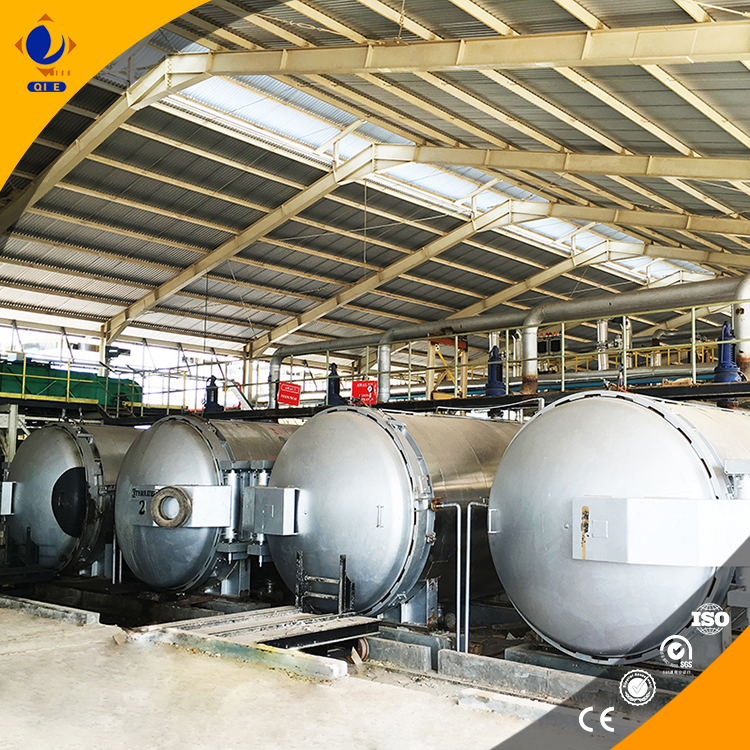
One enterprise implemented a fully automated large-scale sesame oil press integrated with real-time monitoring and PLC controls. By optimizing screw speed and switching swiftly between hot and cold pressing modes based on demand, they increased daily throughput from 3,500 kg to 4,200 kg, while reducing energy consumption by 12%. Routine maintenance schedules cut downtime by 30% annually.






.jpg?x-oss-process=image/resize,m_fill,h_300,w_300/format,webp)


