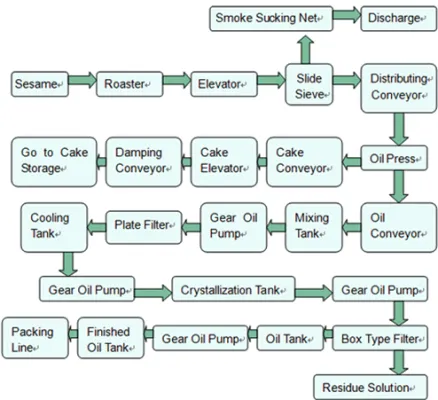
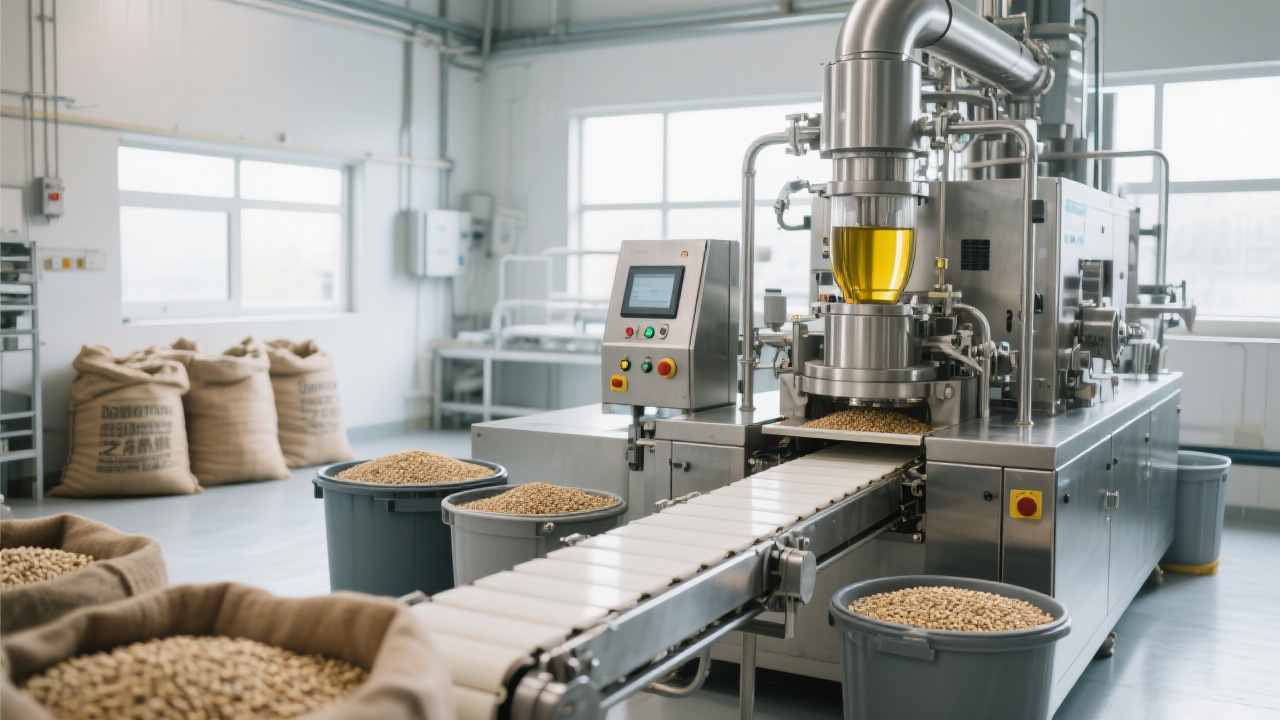
For small enterprises and entrepreneurs venturing into sesame oil production, selecting the right cold-pressed sesame oil machine is crucial to maximize efficiency, product quality, and profitability. This guide offers a deep dive into the essential technical parameters and performance indicators that define an efficient sesame oil press, with a focus on practical insights tailored for small business needs.
Cold-pressing refers to extracting oil by mechanically pressing the sesame seeds without heat or chemical additives, preserving natural flavors and nutrients. This method typically maintains oil temperature below 50°C (122°F), ensuring a high-quality oil with superior aroma and purity. Industry studies indicate that cold-pressed oils retain up to 25% more antioxidants compared to hot-pressed counterparts, a vital factor for health-conscious consumers.
When choosing an oil press machine, small businesses should prioritize the following performance indicators:
The machine’s build materials have a direct impact on oil purity and service life. Stainless steel components, especially food-grade 304 or 316, prevent contamination and corrosion, ensuring hygienic production and durability. A well-constructed screw shaft with hardened alloy steel enhances wear resistance, critical for long-term, uninterrupted operation in small-scale production lines.
Routine maintenance safeguards machine reliability and oil quality. Key tasks include regular cleaning of pressing chambers and filtration units to prevent clogging. Selecting machines with easily replaceable spare parts reduces downtime. Industry case reports show that anticipating maintenance needs can increase equipment uptime by up to 30%, directly boosting production output for small businesses.
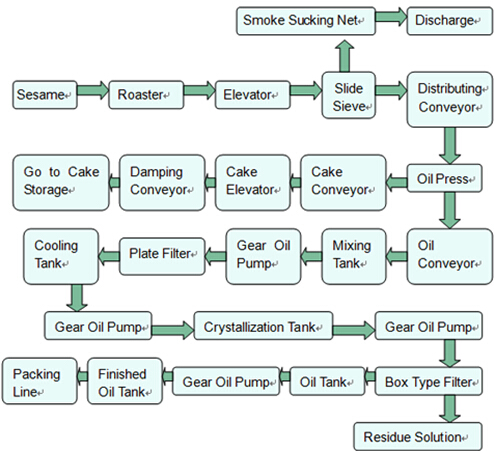
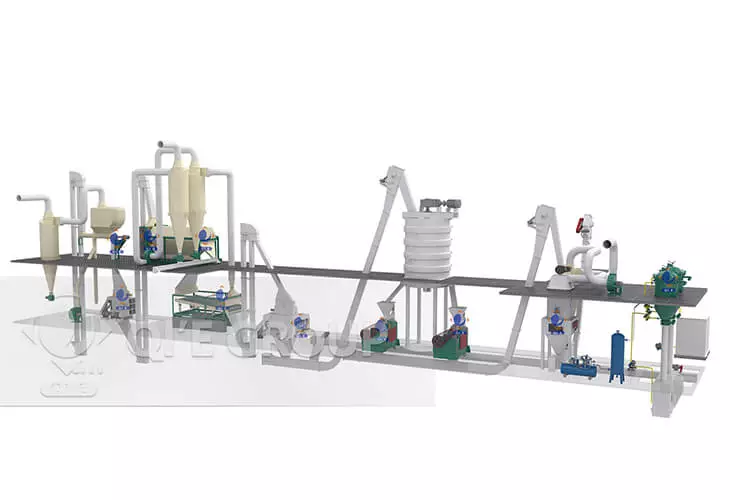
Integrating a filter press and seed cleaner within the sesame oil production line is beneficial. The seed cleaner removes impurities, thus improving extraction efficiency and final oil quality, while the filter press assists in removing sediments from crude oil, resulting in a clearer final product. Practical implementations in small plants demonstrated a 15-20% increase in oil clarity and shelf life when this configuration was employed.
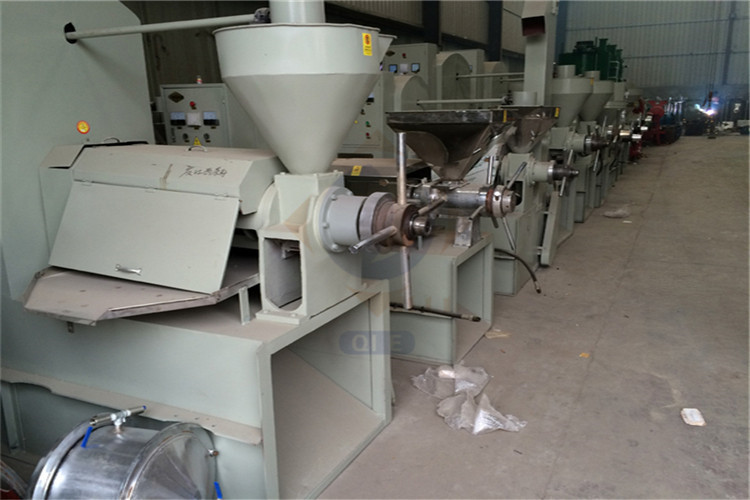
As market demands evolve, machines offering multi-functionality, such as capability to process different oilseeds (e.g., flaxseed, sunflower seed), provide small businesses with opportunities for diversified product lines. Models with modular designs also facilitate scalability and future upgrades, making them ideal for growth-oriented small enterprises.
Small business owners are advised to:

 296
|
296
|
 Sesame Oil Milling Machine Price
Sesame Oil Press Machine
High Efficiency Sesame Oil Milling Machine
Cold Press Sesame Oil Machine
Hot Press Sesame Oil Machine
Hydraulic Sesame Oil Press Machine
Screw Press Sesame Oil Machine
Small Scale Sesame Oil Milling Machine
Industrial Sesame Oil Press Machine
Buy Sesame Oil Milling Machine
Sesame Oil Milling Machine Price
Sesame Oil Press Machine
High Efficiency Sesame Oil Milling Machine
Cold Press Sesame Oil Machine
Hot Press Sesame Oil Machine
Hydraulic Sesame Oil Press Machine
Screw Press Sesame Oil Machine
Small Scale Sesame Oil Milling Machine
Industrial Sesame Oil Press Machine
Buy Sesame Oil Milling Machine
 93
|
small sesame oil press machine
cold press sesame oil equipment
home sesame oil maker
sesame oil press safety
small scale oil production
93
|
small sesame oil press machine
cold press sesame oil equipment
home sesame oil maker
sesame oil press safety
small scale oil production
 387
|
sesame oil extraction process
sesame cleaning techniques
sesame drying optimization
sesame crushing methods
oil yield improvement
387
|
sesame oil extraction process
sesame cleaning techniques
sesame drying optimization
sesame crushing methods
oil yield improvement
 476
|
476
|
 32
|
export-grade sesame oil production
sesame oil processing technology
food safety standards for edible oils
cold press sesame oil method
HACCP compliant oil refining
32
|
export-grade sesame oil production
sesame oil processing technology
food safety standards for edible oils
cold press sesame oil method
HACCP compliant oil refining






.jpg?x-oss-process=image/resize,m_fill,h_300,w_300/format,webp)