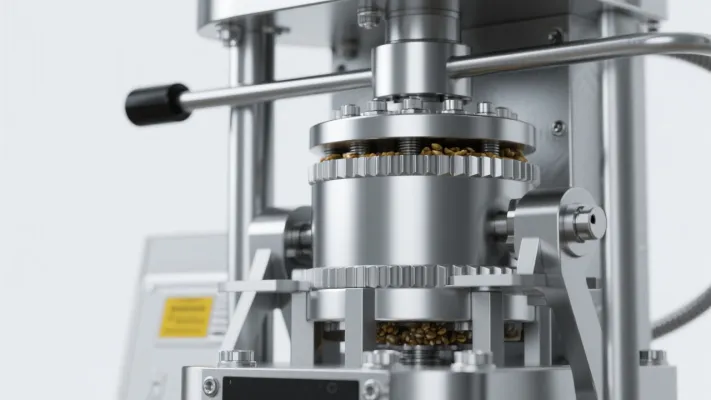
As a plant manager or technical lead in the edible oil industry, you know that every hour of downtime in your sesame oil production line costs real money. A poorly chosen press doesn’t just reduce output—it impacts oil quality, increases maintenance expenses, and erodes your competitive edge. This guide breaks down how to select an industrial-grade sesame oil press that balances efficiency, automation, and long-term ROI—based on actual data from factories running 24/7.
If your facility processes 500–1,000 kg/h, a semi-automatic system might suffice—but if you're scaling beyond 1,500 kg/h, investing in a fully automated press with integrated pre-treatment and filtration is non-negotiable. One Chinese food processor reported a 12% increase in daily yield after switching from manual to automatic pressing at 1,800 kg/h capacity. Why? Because consistent pressure control and reduced operator variability directly boost extraction rates.
| Production Scale | Recommended Press Type | Expected Yield Gain (%) |
|---|---|---|
| 500–1,000 kg/h | Semi-auto with PLC control | ~6–8% |
| 1,500–2,000 kg/h | Fully automatic with self-cleaning filter | ~12–15% |
| 2+ tons/hour | Modular high-pressure system (e.g., 4-stage screw press) | ~18–22% |
While hot pressing typically offers higher yields (~10–15% more oil), cold pressing preserves more omega-3s, antioxidants, and natural flavor compounds—critical for premium markets like Europe and North America. In fact, cold-pressed sesame oil can command up to 25% price premiums in specialty retail channels. The key is choosing a press that allows precise temperature control (±2°C accuracy) without sacrificing throughput.
A fully automated press reduces labor needs by up to 40% compared to manual operation. More importantly, it cuts safety incidents by eliminating repetitive handling of hot parts and high-pressure systems. At one Indian processing unit, after installing an auto-feed and hydraulic release system, they saw a 30% drop in machine-related injuries and a 15% reduction in annual maintenance cost.
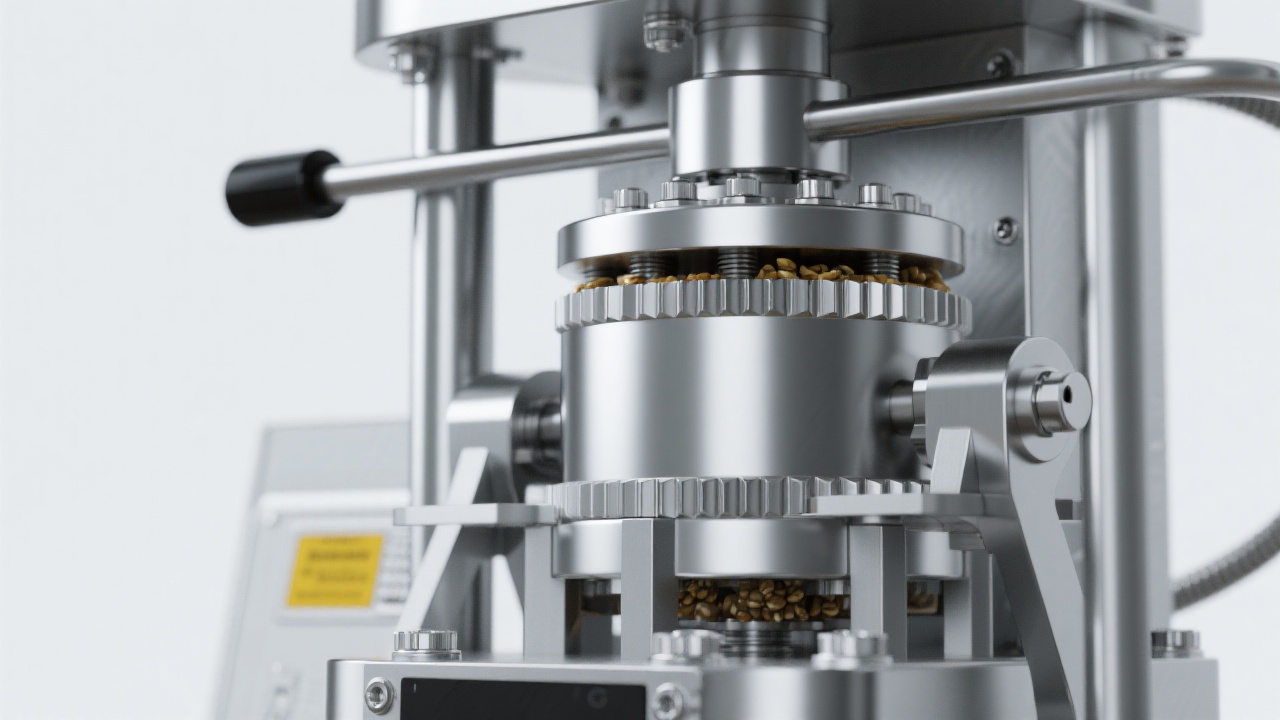
Let’s be honest: your goal isn’t just to buy a machine—it’s to build a sustainable, high-yield oil production process. That means understanding not only what the press does but how it integrates into your existing line. For example, integrating a continuous filter with a vacuum degasser can improve clarity and shelf life by up to 30 days.
And don’t forget the small things: regular lubrication every 200 operating hours, weekly cleaning of the screw conveyor, and monthly inspection of seals can extend equipment life by over 3 years—and prevent costly unplanned shutdowns.
Ready to optimize your sesame oil production? Whether you’re upgrading from older models or building a new line, we’ve got the tools to help you make smarter decisions—not just faster ones.
Download the Free PDF: "Daily Maintenance Checklist for Industrial Sesame Oil Presses"




.jpg?x-oss-process=image/resize,m_fill,h_300,w_300/format,webp)


