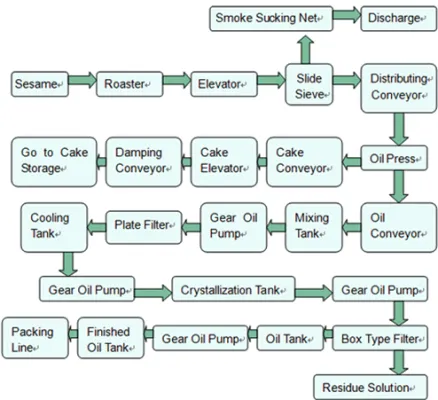
Is your sesame oil produced by solvent extraction equipment showing off-flavors or exceeding solvent residue limits? The culprit often lies in poorly controlled desolventizing temperature during operation. Mastering this critical parameter can significantly improve oil quality, avoid costly reprocessing, and cut quality inspection expenses by up to 30%. This guide from Penguin Group dives into reliable, data-driven techniques and practical insights from industry engineers to help you maintain optimal desolventizing temperature (recommended: 85–95°C) tailored to fluctuating material moisture content.
In real production settings, temperature overshoot or undershoot in the desolventizing stage frequently leads to sesame oil with undesirable odors or excessive solvent residues failing quality tests. When the temperature is too low, solvents may remain trapped in the oil, raising safety risks and regulatory non-compliance. Conversely, overheating evaporates beneficial oil components, degrading flavor and nutritional value. Recognizing this common pain point primes you to implement precise controls before problems escalate.
Correctly setting desolventizing temperature hinges on understanding the moisture content of the incoming sesame cake. Higher moisture increases the boiling point of the residual solvent, necessitating adjustment within the 85–95°C range. Monitoring and dynamically adapting temperature improves solvent removal efficiency and preserves oil integrity.
Pressure stability inside the desolventizer also plays a pivotal role. Fluctuating pressure accelerates oxidation, compromising oil stability. Maintaining steady pressure can extend oil shelf-life and maintain quality consistency. Employ precise pressure regulation systems and constant monitoring to minimize these risks.
Engineer’s Insight: “We found that adjusting desolventizing temperature based on real-time moisture analysis cuts solvent residue failures by nearly 40%, while stabilizing internal pressure preserved oil’s natural aroma.” – Senior Process Engineer, Sesame Oil Plant
Stubborn clogging or solvent leakage can be daunting during production. Rapidly locating and resolving such issues minimizes downtime. Here’s an example workflow:
| Common Errors | Correct Practices |
|---|---|
| Fixed Desolventizing Temperature without Moisture Adjustment | Dynamic Temperature Setting Based on Moisture Content (85–95°C) |
| Ignoring Pressure Fluctuations Leading to Oil Oxidation | Implement Pressure Stabilization Protocols to Protect Oil Quality |
| Neglecting Routine Condenser and Filter Maintenance | Follow Scheduled Cleaning and Replacement to Ensure Efficient Operation |
By mastering the desolventizing temperature parameter, you can significantly increase the sesame oil pass rate, avoiding repeated process cycles and cutting 30% of quality inspection costs, ultimately enhancing your plant’s profitability.
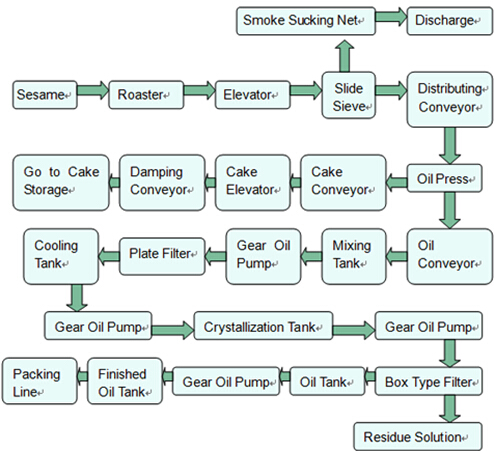
Enhance your solvent extraction sesame oil equipment maintenance techniques and ensure oil quality stability with scientifically backed methods proven across multiple industry settings. Don’t let inaccurate temperature control erode your product reputation and profits.

 303
|
303
|
 mini sesame oil machine
small scale oil press
spiral榨油机
cold press vs hot press
sesame oil production
mini sesame oil machine
small scale oil press
spiral榨油机
cold press vs hot press
sesame oil production
 49
|
mini sesame oil machine
cold pressed sesame oil
hot pressed sesame oil
small scale oil press
spiral pressing technology
49
|
mini sesame oil machine
cold pressed sesame oil
hot pressed sesame oil
small scale oil press
spiral pressing technology
 143
|
sesame oil market growth
small sesame oil press
sesame oil export opportunities
edible oil processing equipment
artisanal sesame oil production
143
|
sesame oil market growth
small sesame oil press
sesame oil export opportunities
edible oil processing equipment
artisanal sesame oil production
 399
|
sesame oil formulation
natural skincare oil
food seasoning oil
sesame oil applications
B2B export sesame oil
423
|
Sesame oil formula
Natural skincare oil
Food flavoring oil
Unsaturated fatty acids
Antioxidant ingredients
399
|
sesame oil formulation
natural skincare oil
food seasoning oil
sesame oil applications
B2B export sesame oil
423
|
Sesame oil formula
Natural skincare oil
Food flavoring oil
Unsaturated fatty acids
Antioxidant ingredients





.jpg?x-oss-process=image/resize,m_fill,h_300,w_300/format,webp)