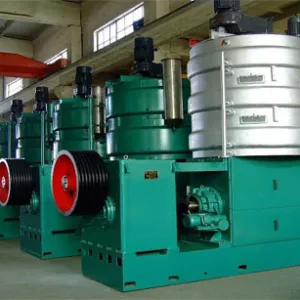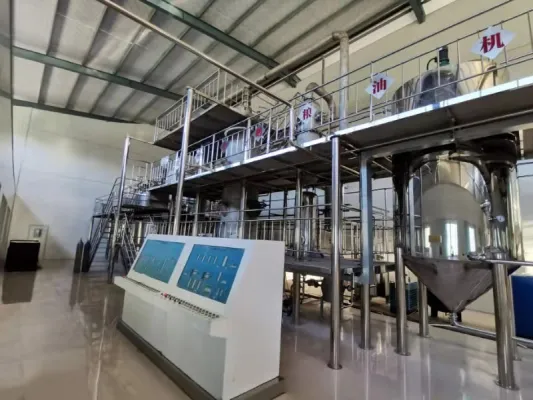
Sesame oil production on an industrial scale demands precision and efficiency across multiple critical stages. From raw material processing to final refining, each step contributes significantly to maximizing output and ensuring premium quality. This article dissects the entire sesame oil production line, emphasizing the revolutionary impact of pre-press dehulling and high-temperature pressing technologies on oil yield improvement.
Optimal sesame oil quality begins with thorough cleaning and preparation of raw seeds. Sorting technologies incorporating gravity tables, magnetic separators, and air aspirators effectively remove impurities such as stones, dust, and metals. According to industry data, efficient seed cleaning can reduce defects by up to 15%, directly impacting final oil clarity and taste.
The pre-press dehulling process intelligently removes sesame seed hulls before pressing, mitigating kernel damage and improving oil purity. With hulls constituting roughly 30%–35% of the seed mass but containing less oil, their removal concentrates the oil-rich kernels. Studies show that pre-press dehulling increases oil yield by approximately 8-12% compared to whole seed pressing. Additionally, the resulting meal exhibits higher protein content, opening secondary revenue streams.
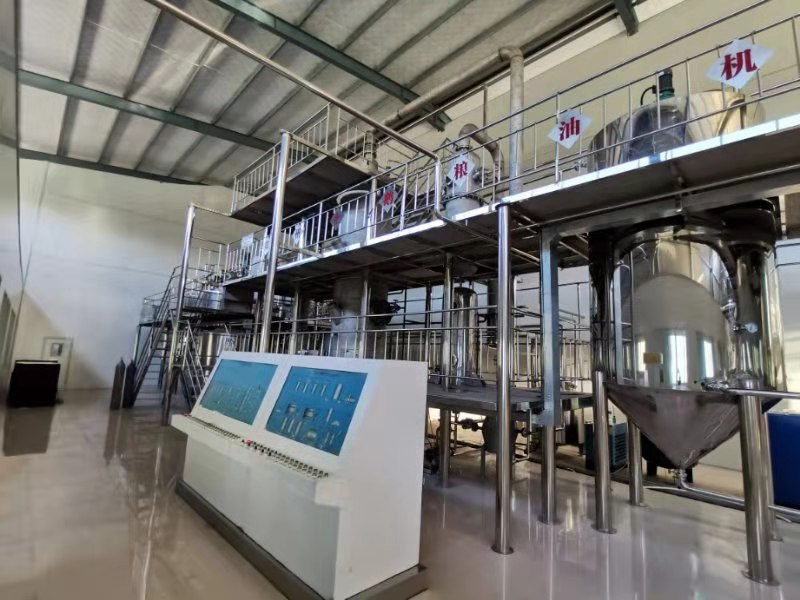
High-temperature pressing involves heating sesame seeds to an optimal range of 95-110°C before mechanical pressing. This thermal conditioning enhances oil fluidity and cell rupture, significantly boosting extraction efficiency. Empirical data indicates that high-temperature pressing can elevate extraction rates by up to 15% compared to cold pressing methods.
However, temperature control is vital to avoid oil degradation or off-flavors. Modern production lines employ automated thermal regulation systems, ensuring the temperature is maintained within precise limits, thereby preserving desirable aroma and nutritional profiles.
Post pressing, sesame oil undergoes rigorous filtration and purification to remove residual solids, phospholipids, free fatty acids, and other impurities. Multi-stage filtration employing filter presses and micron-level filters achieves clarity levels exceeding 99%. Subsequent degumming and neutralization reduce acid values below the industry standard of 0.2 mg KOH/g, enhancing shelf life and sensory acceptance.
.jpg)
Incorporating automated control systems for temperature, pressure, and processing speed is becoming standard practice among mid-sized sesame oil manufacturers. Programmable logic controllers (PLCs) and real-time monitoring improve operational accuracy, reduce human error, and optimize energy consumption by an estimated 10-13%. These technologies deliver scalable and repeatable processes critical for meeting stringent food safety and quality standards.
An industry benchmarking survey reveals that enterprises applying combined pre-press dehulling and high-temperature pressing technologies can reach oil yields exceeding 45%, outperforming conventional methods by a significant margin. Their integration of real-time data analytics for process adjustments ensures minimal variation, strengthening brand reputation and customer trust.
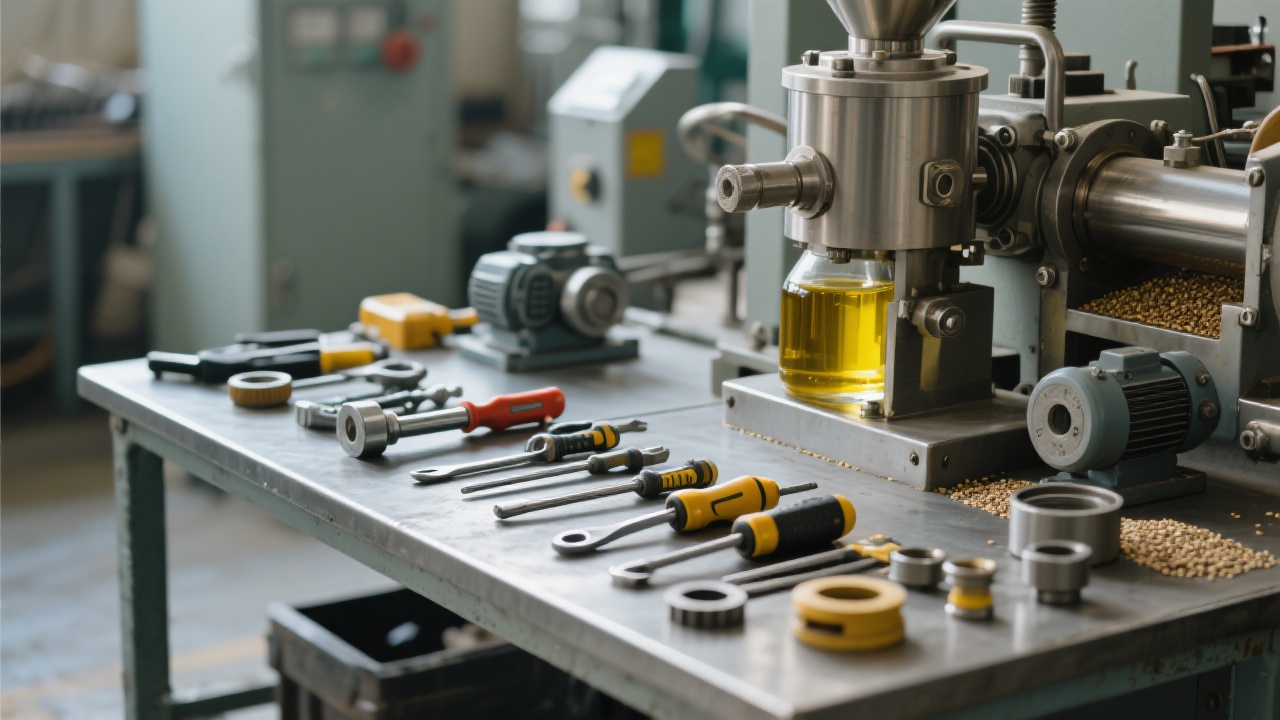
| Process Stage | Typical Output Range | Key Benefit |
|---|---|---|
| Seed Cleaning | < 1% impurities | Improved oil purity |
| Pre-Press Dehulling | 8-12% yield increase | Higher oil content & meal quality |
| High-Temperature Pressing | Up to 15% more extraction | Maximized oil recovery |
| Filtration & Refining | > 99% clarity | Acid < 0.2 | Extended shelf life & purity |
Unlock the full potential of your sesame oil processing capabilities by integrating expert-driven pre-press dehulling and high-temperature pressing technologies. Achieve higher yields, superior oil quality, and operational consistency through cutting-edge automation and precise temperature regulation.
Discover Industry-Leading Sesame Oil Production Solutions Now