Making sesame oil at home has gained significant popularity in recent years. Not only does it allow you to enjoy the pure and healthy flavor of freshly - made sesame oil, but it also offers a cost - effective alternative to store - bought products. The market demand for homemade sesame oil is on the rise, especially among health - conscious consumers and small - scale producers. In fact, according to market research, the demand for natural and homemade food products has increased by 20% in the past five years.
Choosing the right sesame seeds is the first and most crucial step in making high - quality sesame oil. High - quality sesame seeds can significantly improve the oil yield and flavor. When selecting sesame seeds, look for those that are plump, shiny, and have a uniform color. Avoid seeds that are discolored, moldy, or have a strange odor. Poor - quality seeds can reduce the oil yield by up to 30% and affect the overall flavor of the oil.
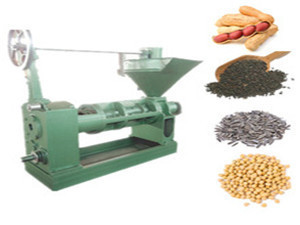
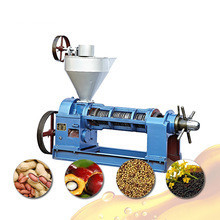
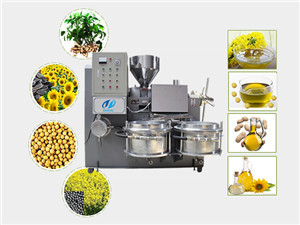
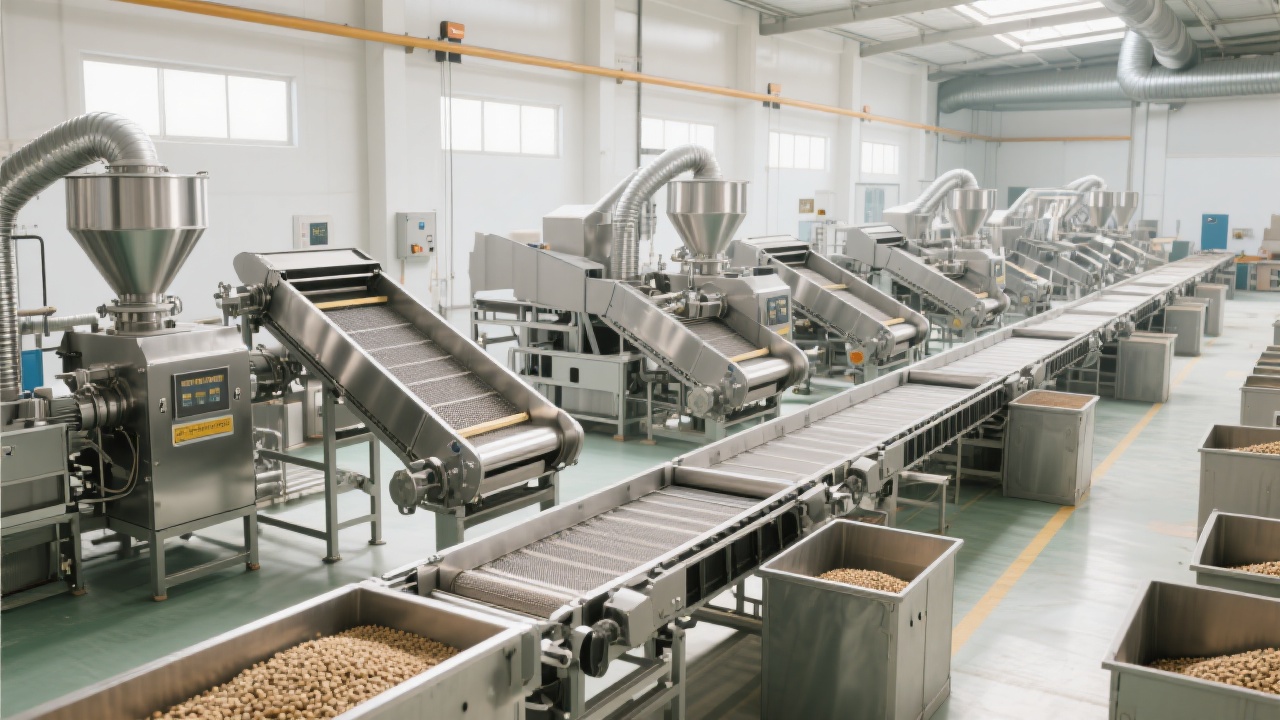
For home use, there are several simple and easy - to - use oil - pressing tools available. We recommend this household cold - pressing oil press which is not only affordable but also easy to operate. When using these tools, make sure to follow the manufacturer's instructions carefully. For example, clean the equipment before and after use to prevent contamination and ensure its long - term performance.
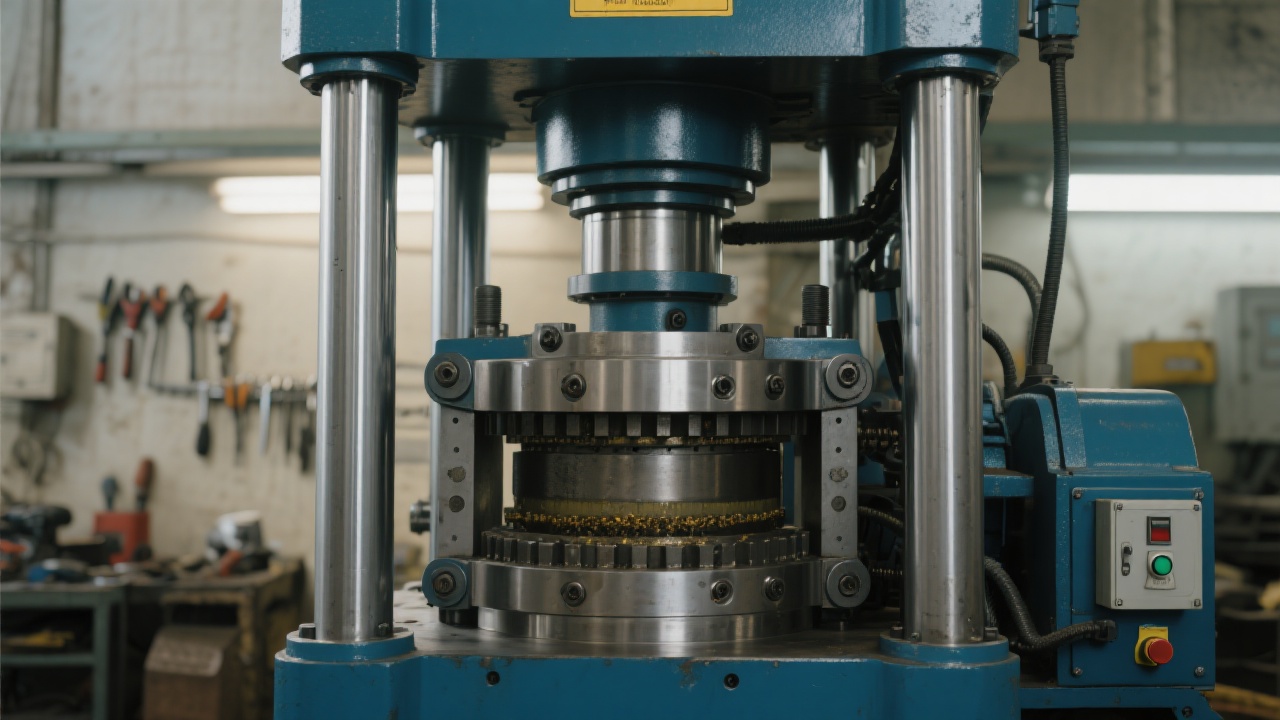
The cold - pressing process is a key step in making high - quality sesame oil. Unlike traditional high - temperature pressing methods, cold - pressing does not require high temperatures, which helps to preserve the nutrients and natural flavor of the sesame oil. The key steps include cleaning the sesame seeds, adjusting the pressing parameters, and collecting the oil. By following these steps, you can efficiently extract oil without high temperatures.
To prevent sesame oil from spoiling, anti - oxidation treatment is essential. One of the core measures is to add natural antioxidants, such as vitamin E, to the oil. You can also use nitrogen - filled packaging to reduce the contact between the oil and oxygen. Operating details include adding antioxidants in the right proportion and ensuring proper sealing during packaging.
Different containers and storage environments can have a significant impact on the flavor of sesame oil. For example, glass containers are better at preserving the flavor than plastic containers. Dark - colored glass containers can further protect the oil from light. In addition, storing the oil in a cool, dark place can slow down the oxidation process and maintain its flavor for a longer time.
There are many misconceptions in making sesame oil. For example, some people think that high - temperature roasting is necessary to make the oil fragrant, but in fact, cold - pressing can also produce fragrant oil. Another misconception is that dark - colored oil is of high quality, but color is not the only indicator of oil quality. By understanding these misconceptions, you can avoid making mistakes and produce high - quality sesame oil.
Many home users and small - scale workshops have successfully made high - quality sesame oil using the methods mentioned above. One user said, "I used to buy expensive sesame oil in the supermarket, but now I can make it at home with this tutorial. The oil I made is not only delicious but also much healthier." These real - life cases can give you more confidence in making sesame oil at home.
When making sesame oil at home, safety and hygiene are often overlooked. Make sure to clean all equipment and utensils thoroughly before use. Wear gloves and masks to avoid contamination. After making the oil, clean the equipment immediately to prevent the growth of bacteria.
To save costs and improve efficiency, you can buy sesame seeds in bulk to get a better price. Regularly maintain your oil - pressing equipment to extend its service life. By following these small tips, you can make high - quality sesame oil at a lower cost.
Ready to start making your own sesame oil at home? Click here to get the recommended household cold - pressing oil press and start your homemade sesame oil journey!

 209
|
209
|
 Stainless Steel Sesame Oil Press Machine
Sesame Oil Press Machine
Cold Pressing Sesame Oil Machine
Hot Pressing Sesame Oil Equipment
Hydraulic Sesame Oil Press
Screw Press Technology Sesame Oil
High Efficiency Sesame Oil Extractor
Durable Sesame Oil Press Machine
Energy Efficient Oil Press Machine
Stainless Steel Sesame Oil Press Machine
Sesame Oil Press Machine
Cold Pressing Sesame Oil Machine
Hot Pressing Sesame Oil Equipment
Hydraulic Sesame Oil Press
Screw Press Technology Sesame Oil
High Efficiency Sesame Oil Extractor
Durable Sesame Oil Press Machine
Energy Efficient Oil Press Machine
 227
|
peanut oil production process
eco-friendly oil extraction methods
sustainable resource recycling in food industry
227
|
peanut oil production process
eco-friendly oil extraction methods
sustainable resource recycling in food industry
 430
|
large scale sesame oil press machine
automatic sesame oil extraction equipment
cold press vs hot press sesame oil
industrial sesame oil production efficiency
sesame oil press maintenance checklist
52
|
oilseed preprocessing equipment
efficient plant oil production solutions
comprehensive oilseed processing services
430
|
large scale sesame oil press machine
automatic sesame oil extraction equipment
cold press vs hot press sesame oil
industrial sesame oil production efficiency
sesame oil press maintenance checklist
52
|
oilseed preprocessing equipment
efficient plant oil production solutions
comprehensive oilseed processing services
 83
|
high-quality peanut oil production process
peanut oil refining techniques
premium grade peanut oil for export
83
|
high-quality peanut oil production process
peanut oil refining techniques
premium grade peanut oil for export






.jpg?x-oss-process=image/resize,m_fill,h_400,w_400/format,webp)