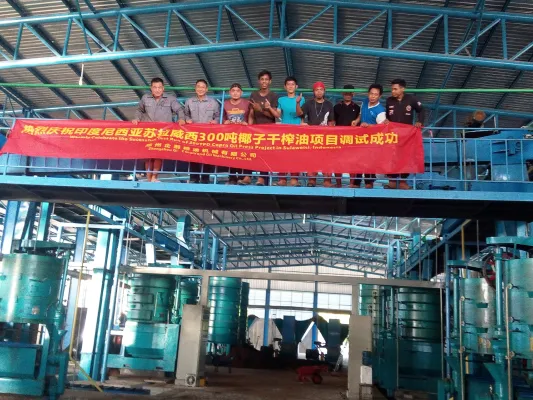
Cold - pressing and hot - pressing are two main methods for producing sesame oil. Cold - pressing typically involves pressing sesame seeds at a relatively low temperature, usually below 60°C. This process retains the natural flavor and nutritional components of sesame seeds. In contrast, hot - pressing heats the sesame seeds to a higher temperature, often between 120 - 180°C, which can increase the oil yield but may cause some loss of active ingredients.
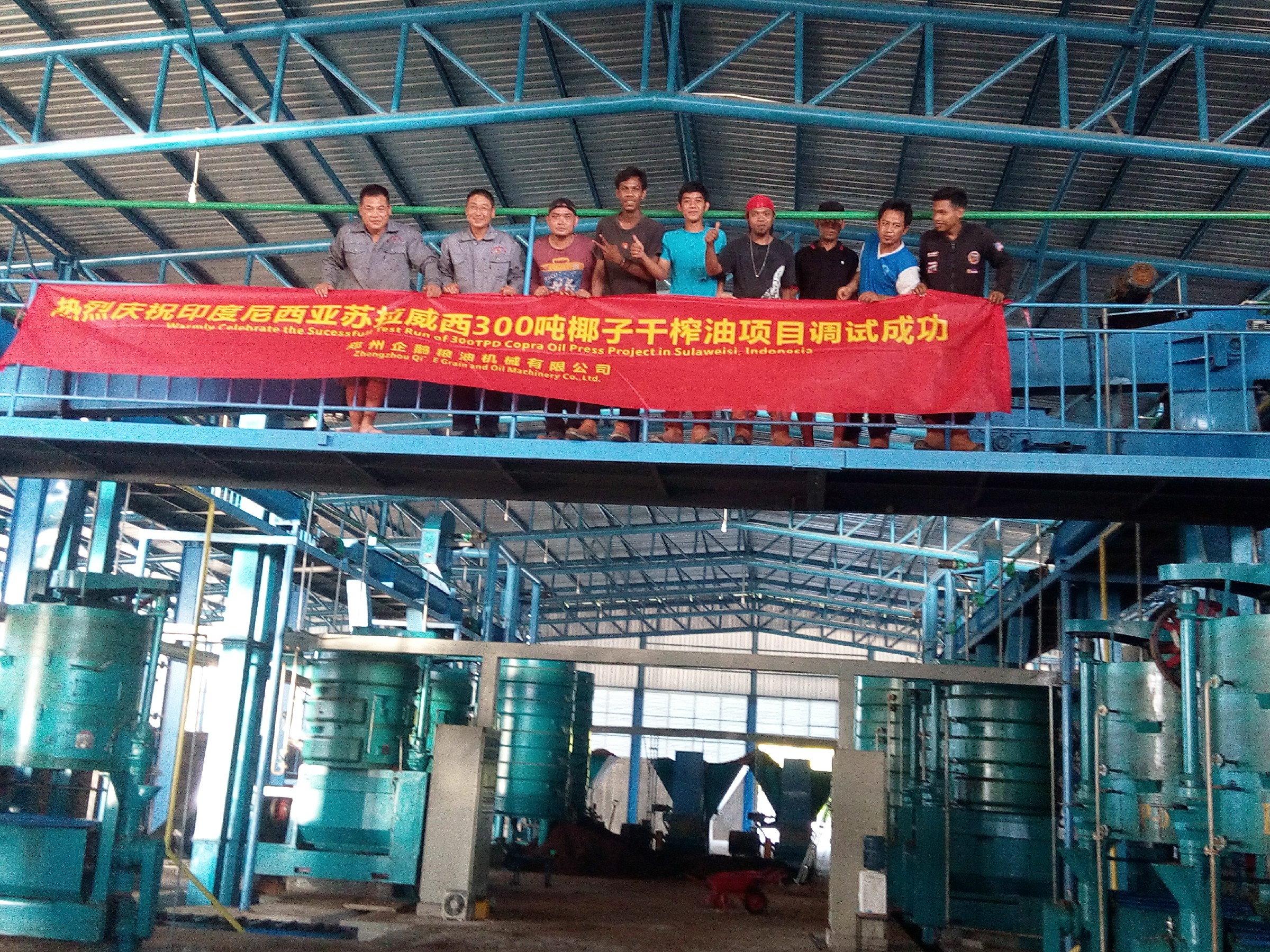
Temperature plays a crucial role in determining the flavor and nutritional value of sesame oil. Cold - pressed sesame oil, due to its low - temperature processing, retains more vitamin E and unsaturated fatty acids. For example, cold - pressed sesame oil can retain up to 90% of vitamin E, while hot - pressed sesame oil may only retain about 70%. The low - temperature environment also helps preserve the natural aroma of sesame seeds, giving the oil a milder and more delicate flavor.
In terms of oil yield, hot - pressing has an obvious advantage. Hot - pressing can achieve an oil yield of about 45 - 50%, while cold - pressing usually has an oil yield of around 35 - 40%. However, cold - pressed sesame oil has better stability due to its higher content of natural antioxidants. In terms of sensory characteristics, cold - pressed oil has a lighter color and a more natural aroma, while hot - pressed oil has a stronger and more pungent flavor.
| Process | Oil Yield | Vitamin E Retention | Flavor |
|---|---|---|---|
| Cold - Pressing | 35 - 40% | Up to 90% | Mild and delicate |
| Hot - Pressing | 45 - 50% | About 70% | Strong and pungent |
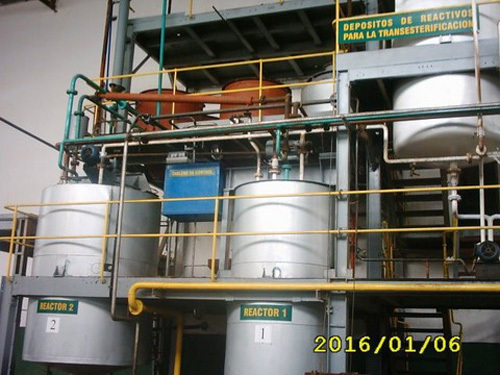
The demand for sesame oil varies in different industries. In the food industry, both cold - pressed and hot - pressed sesame oil are widely used. Cold - pressed sesame oil is often preferred for high - end food products due to its natural flavor and high nutritional value. For the health - care products and cosmetics industries, cold - pressed sesame oil is more popular because of its rich vitamin E and unsaturated fatty acids, which have antioxidant and moisturizing effects.
In recent years, there have been significant improvements in sesame oil pressing processes. Energy - saving and consumption - reducing technologies are being widely adopted. For example, some new pressing equipment can reduce energy consumption by up to 30%. Automation control systems are also becoming more common, which can improve production efficiency and product quality. In addition, low - temperature pretreatment technologies are emerging, which can further improve the quality of cold - pressed sesame oil.
When choosing a pressing process for the export market, several factors need to be considered. First, comply with relevant regulations in the target market. Some countries have strict requirements for the nutritional components and production processes of edible oils. Second, understand customer preferences. In Western markets, consumers may prefer cold - pressed sesame oil for its natural and healthy image. Third, consider transportation and storage requirements. Cold - pressed sesame oil, due to its better stability, may be more suitable for long - distance transportation.

In conclusion, choosing the right sesame oil pressing process is crucial for export - oriented enterprises. By comprehensively considering various factors, enterprises can optimize their product positioning and enhance their competitiveness in the international market. Learn about the sesame oil pressing solutions suitable for your export needs.





.jpg?x-oss-process=image/resize,m_fill,h_300,w_300/format,webp)


