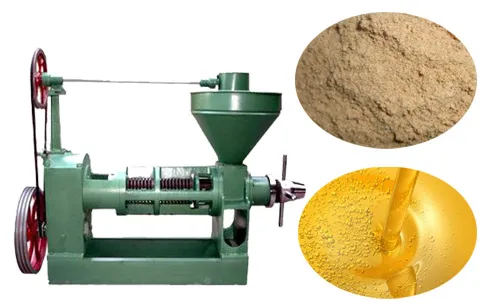
Running a small sesame oil factory? You’re likely juggling limited space, inconsistent raw materials, and the pressure to deliver both quality and yield. The good news? With the right equipment, you don’t have to choose between flavor and efficiency—you can have both.
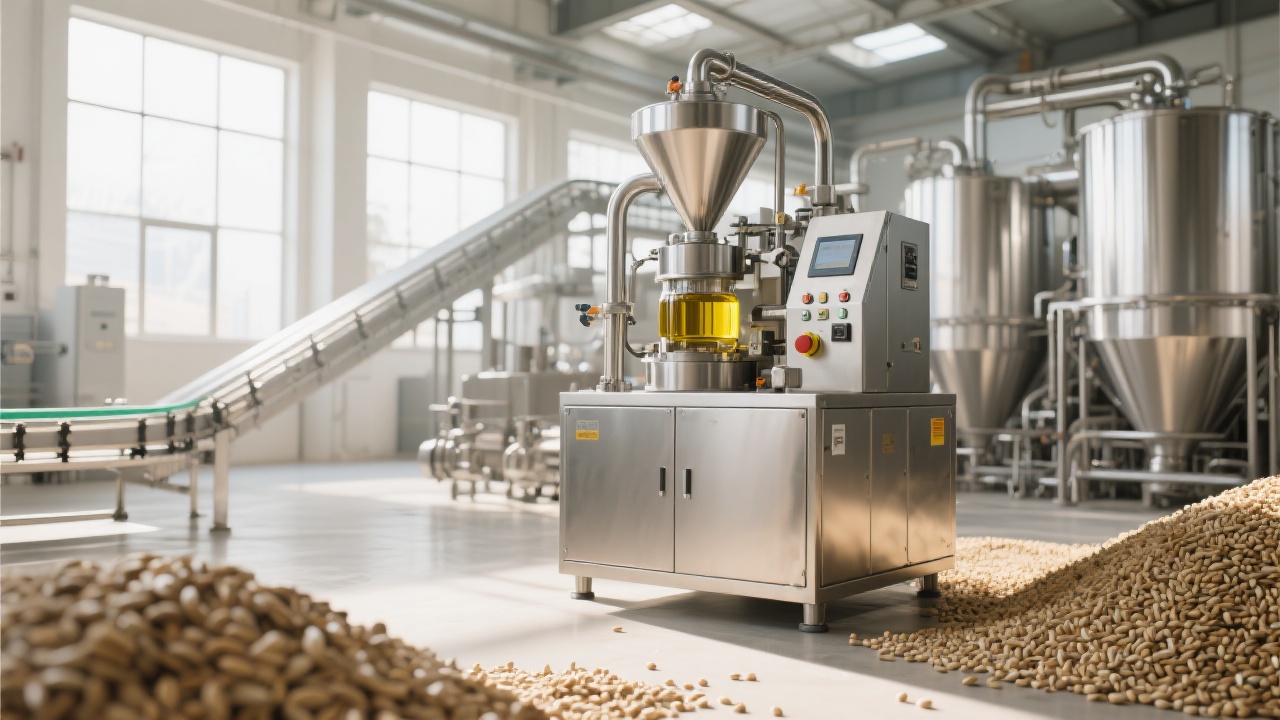
Our mini sesame oil press is engineered for flexibility—not just size. It’s designed with modular components that fit into tight spaces while offering precise temperature control for either cold or hot pressing. No need to replace your machine when market demands shift. Just adjust settings and go.
Let’s break it down:
According to food technologists at the International Society of Oil Chemists, “The key difference isn't just output—it's how each method affects shelf life and consumer perception.” A well-controlled hot press can reduce oxidation risk if done correctly, while cold-pressed oils often command premium pricing in EU and North American markets.
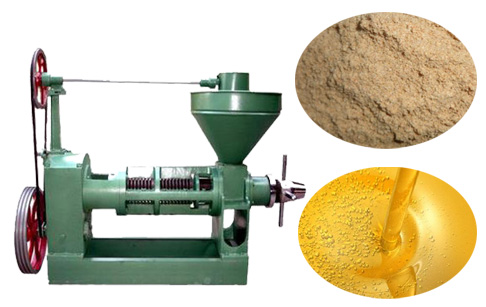
Here’s what makes our system stand out: You can switch between cold and hot modes in under 30 minutes. Simply toggle the heating element (optional), adjust screw speed, and reconfigure the pre-heating chamber. This adaptability lets you produce seasonal batches—from light, aromatic cold-pressed oils in spring to high-yield hot-pressed versions during peak demand.
Real-world example: A family-run operation in Nigeria used this feature to pivot from home-based production to supplying local restaurants. By switching to hot pressing during Ramadan, they increased monthly output by 28% without hiring extra staff—or buying new machinery.
If your sesame seeds are dry and uniform (like those from Egypt or India), go cold press for superior flavor and higher margins. If they’re moist, mixed, or lower-grade (e.g., from local farms), hot pressing gives better results—and less waste.
Pro tip: Always test a small batch first. Even slight variations in moisture content can affect oil clarity and viscosity. That’s why we recommend starting with a 5kg trial run before full-scale conversion.
And remember: maintenance matters. Clean the screw press after every 10 hours of use, check for wear on the die plate, and store the machine in a dry environment. These simple steps extend lifespan by up to 3 years—saving you money and downtime.
You’ve got the tools. Now it’s time to make decisions that work for your business—not against it.
No matter your current setup, our mini sesame oil press adapts to your needs—with no extra cost or complexity.
See How It Works – Get the Full Technical Guide
 285
|
285
|
 sesame oil production line
automated control in oil processing
sesame oil quality consistency
cold press vs hot press sesame oil
food oil refining process
sesame oil production line
automated control in oil processing
sesame oil quality consistency
cold press vs hot press sesame oil
food oil refining process
 35
|
Sesame Oil Extraction Machine for Small Business
Compact Sesame Oil Press Machine
Efficient Sesame Oil Extractor
Low Energy Consumption Oil Machine
High Quality Sesame Oil Extraction
Affordable Sesame Oil Production Equipment
Automatic Sesame Oil Press Solutions
Flexible Oil Extraction Machine for SMEs
Eco-Friendly Sesame Oil Extraction Technology
35
|
Sesame Oil Extraction Machine for Small Business
Compact Sesame Oil Press Machine
Efficient Sesame Oil Extractor
Low Energy Consumption Oil Machine
High Quality Sesame Oil Extraction
Affordable Sesame Oil Production Equipment
Automatic Sesame Oil Press Solutions
Flexible Oil Extraction Machine for SMEs
Eco-Friendly Sesame Oil Extraction Technology
 89
|
peanut oil production process
high-quality peanut oil methods
hot pressing vs cold pressing peanut oil
89
|
peanut oil production process
high-quality peanut oil methods
hot pressing vs cold pressing peanut oil
 150
|
sesame oil market trends
premium sesame oil benefits
sesame oil extraction technology
healthy cooking oil
international buyer engagement
150
|
sesame oil market trends
premium sesame oil benefits
sesame oil extraction technology
healthy cooking oil
international buyer engagement
 33
|
sesame oil production line
sesame oil processing technology
edible oil refining process
automated oil extraction system
sesame oil quality improvement
33
|
sesame oil production line
sesame oil processing technology
edible oil refining process
automated oil extraction system
sesame oil quality improvement