In the realm of sesame oil production, cold - pressed and hot - pressed are two mainstream processes. Understanding their differences is crucial for small and medium - sized enterprises (SMEs) aiming for efficient production.
The cold - pressed process typically operates at a temperature below 60°C. This low - temperature operation helps preserve the natural nutrients in sesame seeds, such as vitamin E and unsaturated fatty acids. According to industry reports, cold - pressed sesame oil can retain up to 90% of the original nutrients in sesame seeds. On the other hand, the hot - pressed process involves heating sesame seeds to a temperature between 120°C - 180°C. This high - temperature treatment enhances the oil yield but may lead to a certain loss of nutrients. Generally, hot - pressed sesame oil retains about 70% of the original nutrients.

In terms of oil quality, cold - pressed sesame oil has a lighter color and a more delicate flavor. It is often favored in the cosmetics and high - end food industries for its mildness and high nutritional value. For example, a well - known cosmetic brand in Europe uses cold - pressed sesame oil as a base ingredient in its skin - care products, due to its excellent moisturizing and antioxidant properties. Hot - pressed sesame oil, however, has a stronger aroma and a darker color. It is widely used in traditional cuisines, especially in Asian countries, for its rich and intense flavor.
When it comes to yield, hot - pressing usually outperforms cold - pressing. The high - temperature treatment softens the sesame seeds, making it easier to extract oil. On average, hot - pressing can achieve an oil yield of 45% - 50%, while cold - pressing yields around 35% - 40%. In terms of aroma preservation, cold - pressed oil retains a more natural and subtle aroma, while hot - pressed oil has a more pungent and long - lasting aroma. From a health perspective, cold - pressed oil is considered healthier due to its higher nutrient content.
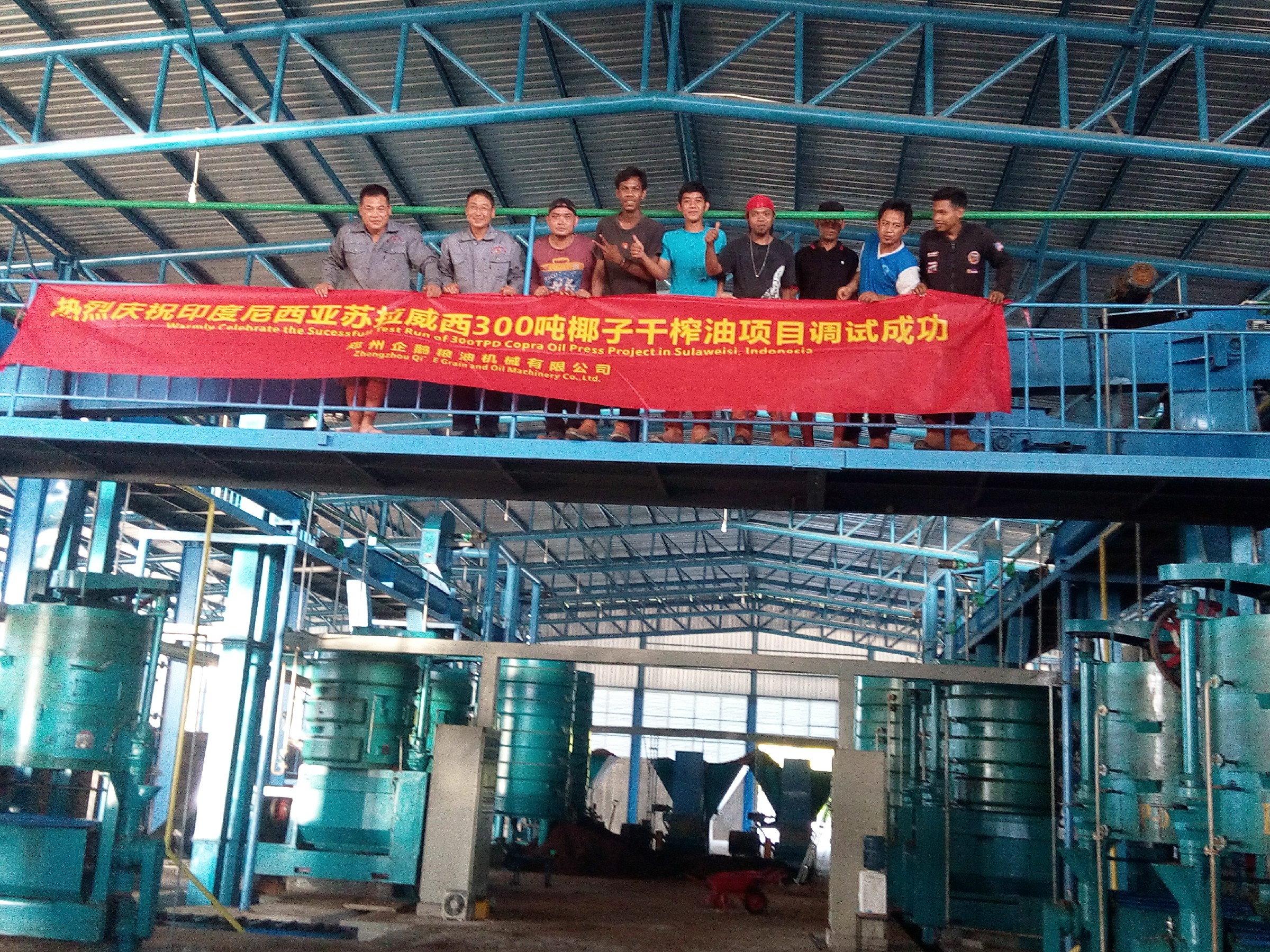
For SMEs, choosing the right equipment is key to efficient production. For small - scale production, a small - sized cold - press machine is a good choice. It is easy to operate and requires less investment. For medium - scale production, a hot - press machine with a certain degree of automation can improve production efficiency. Industry case studies show that an SME in Southeast Asia switched from a manual cold - press machine to an automated hot - press machine, and its production capacity increased by 30% within a year.
The sesame oil production industry is constantly evolving. New technologies are emerging to improve production efficiency and oil quality. For example, some advanced cold - press machines now use a multi - stage pressing technology, which can increase the oil yield without sacrificing too many nutrients. Automation is also becoming a trend. Automated equipment can reduce labor costs and improve production consistency.
In conclusion, SMEs need to carefully consider their production scale, product positioning, and market demand when choosing between cold - pressed and hot - pressed sesame oil equipment. To learn more about selecting the most suitable sesame oil production equipment for your business, click here and our experts will assist you in making the right decision.