How to Choose Between Cold Pressing, Mechanical Pressing and Solvent Extraction for Vegetable Oil Processing
2026-08-15
Qi'e Grain and Oil Machinery Co., Ltd.
Qi'e Grain and Oil Machinery compares cold pressing, mechanical pressing and solvent extraction routes for vegetable oil processing, covering feedstocks, equipment configuration, capacity planning, product positioning and refining considerations.
VEGETABLE OIL PROCESSING ROUTE SELECTION
Cold pressing, mechanical pressing and solvent extraction are three distinct routes for processing oilseeds and oil-bearing materials. Each route has different requirements for raw material preparation, equipment configuration, production capacity, oil positioning and downstream refining. Selecting a suitable route begins with the project objective rather than a single machine choice.
Qi'e Grain and Oil Machinery Co., Ltd. supports B2B vegetable oil processing projects with oil pressing equipment, oil production line equipment and oil refining equipment. The practical choice depends on feedstock properties, intended throughput, target market, investment planning and the required quality profile of the finished oil.
Three Processing Routes, Different Production Objectives
Although all three methods are used to recover oil from plant materials, they are not interchangeable. A cold press oil machine is commonly considered when preserving a minimally processed product character is central to the product strategy. Mechanical pressing is a versatile physical extraction route for many oilseeds. Solvent extraction is generally considered where high-volume processing and recovery from prepared oil-bearing material are important project considerations.
Cold Pressing
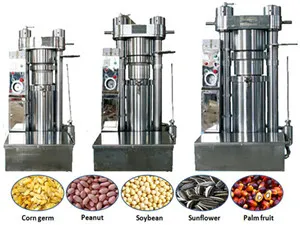
Cold pressing uses mechanical pressure while controlling processing conditions to support a product positioning associated with limited thermal treatment. It is often evaluated for specialty oils and markets where the processing story and natural sensory characteristics are relevant.
- Suitable for projects focused on differentiated oil positioning
- Requires careful attention to seed quality and preparation
- May involve filtration, settling or further treatment based on product specifications
Mechanical Pressing
Mechanical pressing relies on physical pressure to separate oil from prepared oilseeds. Depending on the feedstock and process design, preparation can include cleaning, conditioning, cracking, flaking or cooking before pressing.
- Applicable to a broad range of oilseed processing projects
- Can be configured as a standalone press line or as a preparation stage
- Supports flexible planning for small, medium and larger operations
Solvent Extraction
Solvent extraction uses an approved processing solvent within a controlled extraction and recovery system to obtain oil from prepared material. It is commonly assessed for continuous, higher-capacity oil production planning.
- Usually requires integrated preparation, extraction and solvent recovery sections
- Requires appropriate engineering controls, operating procedures and safety planning
- Often considered alongside crude oil refining requirements
Route Comparison for Initial Project Planning
| Planning Factor |
Cold Pressing |
Mechanical Pressing |
Solvent Extraction |
| Primary consideration |
Product positioning and controlled processing conditions |
Versatile physical oil recovery |
Integrated processing for larger-scale recovery planning |
| Typical process focus |
Seed selection, preparation and oil handling |
Preparation, pressing and cake handling |
Preparation, extraction, recovery and desolventizing |
| Equipment scope |
Pressing, clarification and filtration components |
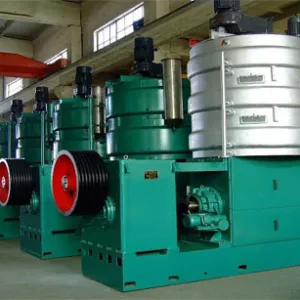
Oilseed preparation and oil pressing equipment |
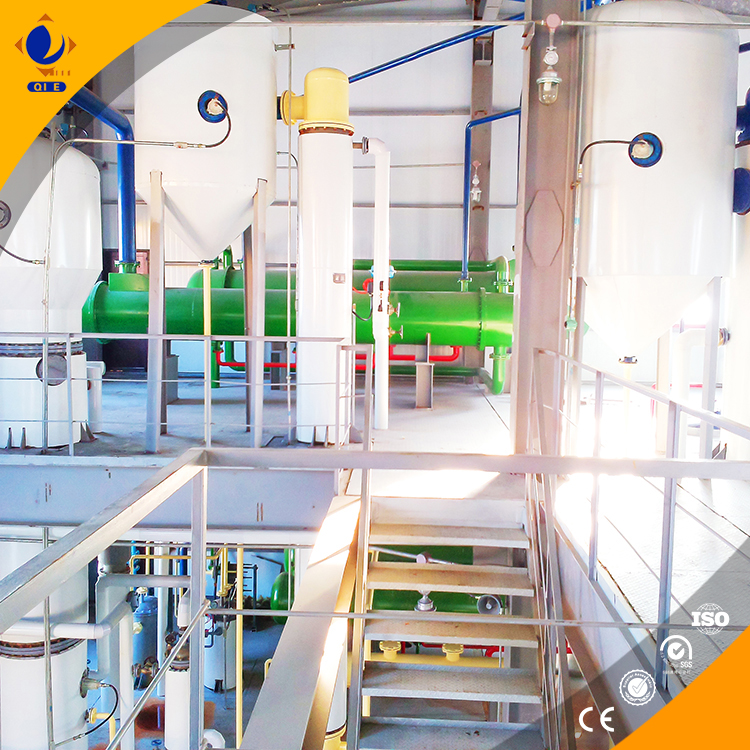
A coordinated solvent extraction machine system and recovery equipment |
| Refining consideration |
Depends on intended finished-oil specifications |
Depends on crude oil characteristics and market requirements |
Commonly evaluated as part of the complete downstream process |
Start with the Raw Material
The oilseed or oil-bearing material is a key decision point. Its oil content, moisture condition, physical structure, impurities, storage condition and required pretreatment affect the process route and equipment arrangement. Soybeans, sunflower seeds, palm kernels and other materials may require different preparation steps before pressing or extraction.
A reliable assessment should define the feedstock type and expected condition first, then determine cleaning, dehulling, cracking, flaking, conditioning, drying or other preparation requirements. This helps align the vegetable oil processing equipment with the actual material being processed.
How Capacity and Product Positioning Influence the Choice
For differentiated or specialty oil products
Cold pressing may be appropriate when the commercial objective places importance on processing approach, raw material traceability, aroma or a less intensively processed product profile. The project should also define how the oil will be clarified, filtered, packaged and stored to maintain the intended product characteristics.
For flexible oil production operations
Mechanical pressing can provide a practical route where a physical extraction process is preferred and equipment flexibility is important. The final configuration should consider feedstock variation, planned operating hours, press cake management, crude oil treatment and any future line expansion.
For integrated, continuous processing plans
Solvent extraction may be evaluated when a project requires a coordinated process system with preparation, extraction and recovery functions. Its selection should be supported by site conditions, utilities, safety design, regulatory requirements, operational capability and downstream refining objectives.
Refining Is Part of the Overall Process Decision
Pressing or extraction produces crude oil with characteristics determined by the material and process conditions. Whether refining is required depends on the intended application, applicable standards, product positioning and customer expectations. Refining planning should therefore be considered early, rather than treated as an isolated downstream purchase.
Project planning note: Define the desired finished-oil specification before finalizing the extraction route. This allows the pressing, extraction, clarification and refining sections to be evaluated as one connected production system.
Questions to Clarify Before Selecting Equipment
- What raw material will be processed? Confirm the oilseed type, condition, impurity level and required pretreatment.
- What is the planned production objective? Identify whether the priority is specialty oil positioning, flexible pressing, continuous operation or another defined outcome.
- What throughput and operating pattern are expected? Capacity planning should account for material supply, operating schedule and storage arrangements.
- What finished-oil requirements apply? Consider the intended market, quality specifications, clarification needs and refining requirements.
- What site and utility conditions are available? Layout, power, steam, water, ventilation, safety measures and local compliance requirements should inform the final equipment scope.
A Route Should Be Designed as a Complete System
The right choice is not simply cold pressing versus mechanical pressing versus solvent extraction. It is the route that fits the feedstock, production scale, oil product positioning and downstream handling requirements of the project.
Qi'e Grain and Oil Machinery Co., Ltd. approaches vegetable oil processing equipment as an integrated solution, covering the relationship between oilseed preparation, oil pressing equipment or solvent extraction equipment, crude oil handling and refining equipment. Clear project inputs support a more practical equipment configuration and a more reliable basis for technical discussion.



.jpg?x-oss-process=image/resize,m_fill,h_300,w_300/format,webp)







.jpg?x-oss-process=image/resize,m_fill,h_400,w_400/format,webp)