Selecting an oilseed processing method is a practical decision that affects product positioning, plant layout, operating workflow and future capacity planning. The most suitable route depends on the oilseed type, expected oil quality profile, target market, production volume and available investment resources.
Qi'e Grain and Oil Machinery Co., Ltd. supports oilseed processors with equipment and project solutions for cold pressing, hot pressing and vegetable oil solvent extraction. Rather than treating one method as universally better, this guide explains where each route may fit within an oil processing project.
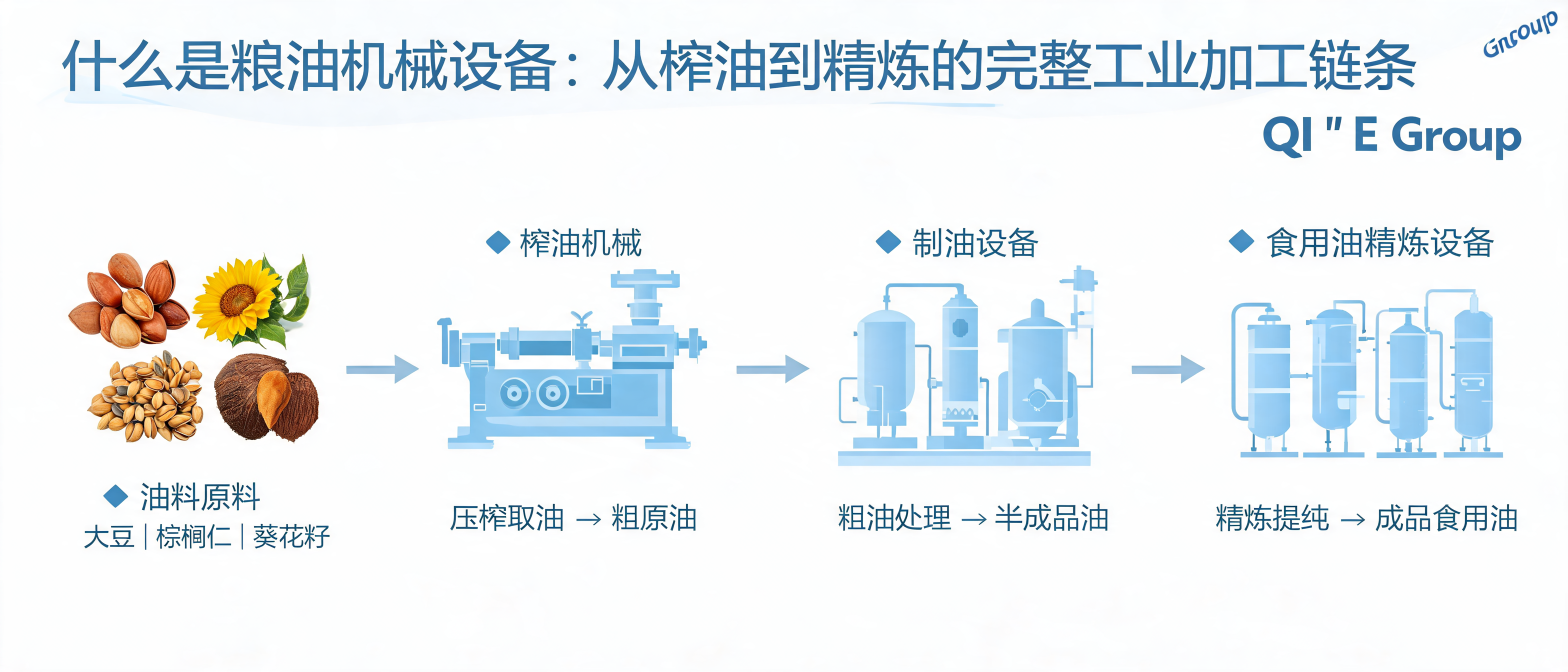
Cold pressing, hot pressing and solvent extraction are distinct oilseed processing methods. They can be used as independent routes or, depending on the project design, as connected stages in a broader oil production line. A meaningful comparison should consider both the desired product and the complete processing system required to produce it.
| Processing route | Core approach | Typical planning focus | Common project context |
|---|---|---|---|
| Cold pressing | Mechanical pressing with controlled processing conditions intended to limit heat exposure. | Oil positioning, raw-material quality, pressing conditions and filtration requirements. | Processors developing selected or specialty oil products. |
| Hot pressing | Mechanical pressing after appropriate seed preparation and thermal conditioning. | Seed preparation, conditioning consistency, pressing performance and downstream oil treatment. | Commercial oil production requiring a robust mechanical processing route. |
| Solvent extraction | Oil recovery through a solvent-based extraction process and associated recovery operations. | Plant scale, process control, safety design, utility planning and compliance requirements. | Larger and more integrated oilseed processing projects. |
Cold pressing is a mechanical oil extraction route generally selected when the processor places particular emphasis on oil character, ingredient positioning or a more carefully controlled pressing process. The result is influenced not only by the press itself, but also by seed selection, cleaning, moisture management, pressing parameters and post-press filtration.
A cold press oil machine may be considered for projects where the production objective is aligned with this type of mechanical processing. Final equipment selection should be based on the oilseed, planned throughput and required process configuration rather than on a single machine specification.
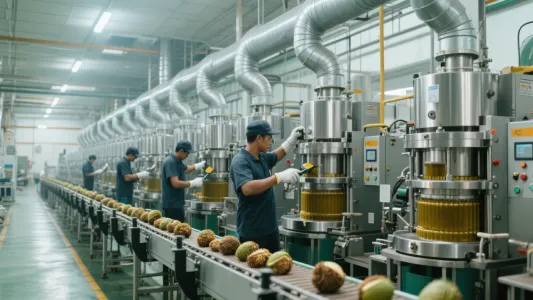
Hot pressing is also a mechanical extraction method, but it typically includes seed preparation and conditioning before pressing. This route is often assessed by processors seeking an established production workflow that connects material handling, preparation, pressing and subsequent oil treatment.
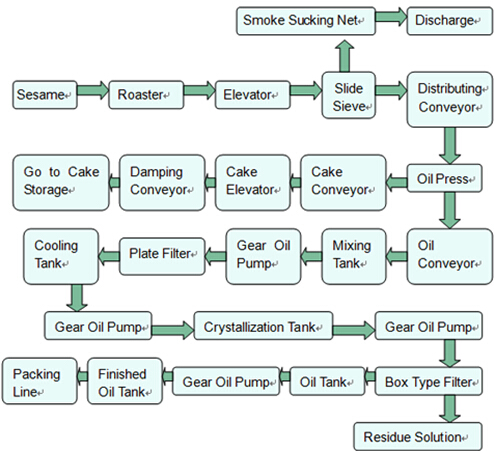
Process perspective: Hot pressing should be planned as a system, not simply as the purchase of an oil press. Feedstock receiving, cleaning, shelling or dehulling where applicable, crushing or flaking, conditioning, pressing, oil settling or filtration, and cake handling may all need to be reviewed in relation to the selected oilseed and the production target.
Hot pressing may be considered where the project calls for a mechanical production line with defined seed preparation and conditioning stages. It is relevant to a range of oilseed processing applications, but the final route should be validated against raw-material characteristics, product requirements, site utilities and the processor’s intended operating model.
Vegetable oil solvent extraction is a more integrated processing route designed around extraction, solvent recovery and related material handling operations. It requires a broader engineering view than a basic mechanical pressing installation because process safety, equipment coordination, utilities, ventilation, control systems and applicable local requirements must be considered together.
Solvent extraction is generally evaluated at the project-planning level. A technically appropriate solution should be developed around plant capacity, feedstock preparation, operating conditions, safety measures and the destination of both oil and meal outputs.
The following decision framework helps align a processing route with the realities of an oilseed project. It is a starting point for technical discussion rather than a substitute for feedstock testing, engineering assessment or local compliance review.
Define the intended oil product, target customer expectations and the level of downstream treatment anticipated for the finished product.
Review the oilseed type, quality consistency, supply conditions and preparation steps required before processing.
Plan for current throughput needs while considering whether future line expansion, automation or additional processing stages may be required.
Assess available space, utilities, logistics, operator capability, maintenance arrangements and regulatory obligations.
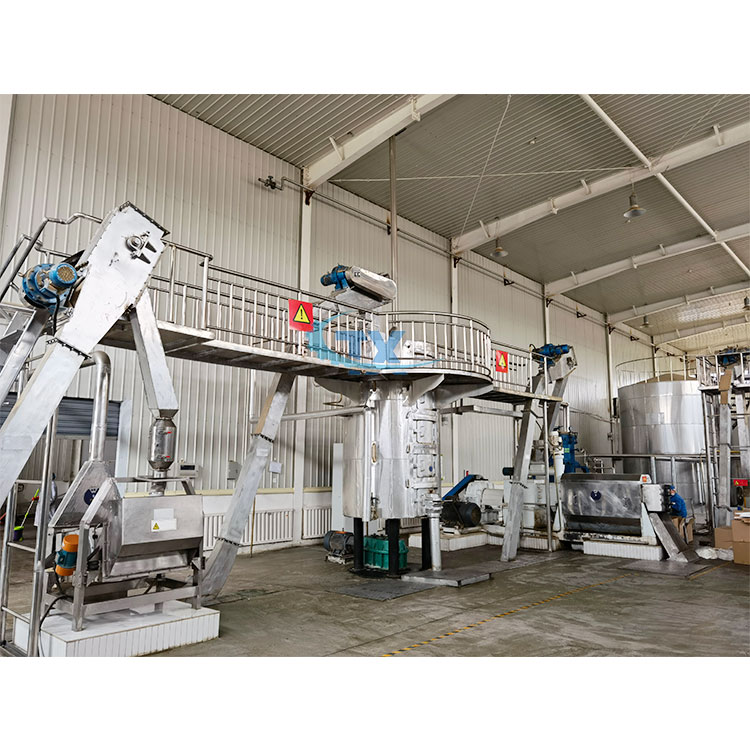
An effective oil processing project is built from coordinated equipment modules. Depending on the selected route, a configuration may include seed cleaning and conveying equipment, preparation and conditioning equipment, oil pressing equipment, extraction equipment, oil filtration systems, storage solutions and refining equipment.
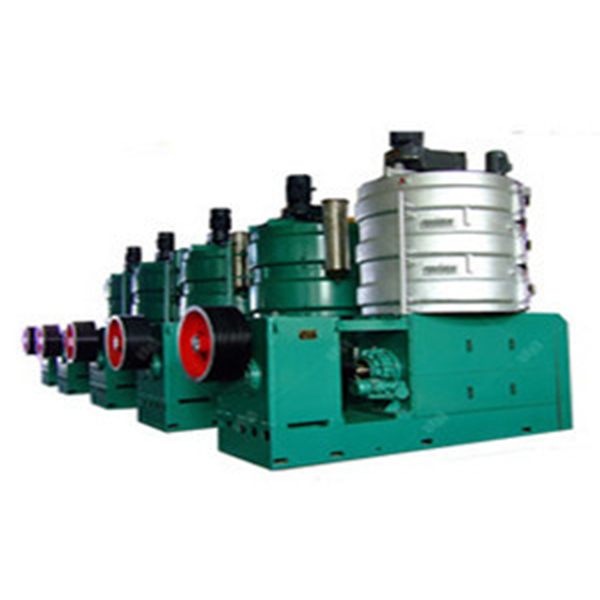
For example, a mechanical pressing project may be centered on an oil press machine and its supporting preparation and filtration stages. A broader production plan may incorporate an edible oil refining system where the project requires downstream oil treatment. The appropriate configuration should always be determined by the complete process objective.
Before selecting cold pressing, hot pressing or vegetable oil solvent extraction equipment, prepare a clear project brief covering the oilseed to be processed, expected capacity, target oil application, available site conditions and planned downstream operations. This information creates a sound basis for selecting the right processing route and equipment layout.
Qi'e Grain and Oil Machinery provides oil pressing equipment, oil production line equipment and oil refining equipment for B2B oilseed processing projects. With a focus on technology, quality and service, the company can support customers in evaluating practical equipment configurations for their processing goals.

 52
|
52
|
 low temperature sesame oil press
sesame cold press machine
sesame oil extraction equipment
cold press oil machine selection
sesame oil press performance
low temperature sesame oil press
sesame cold press machine
sesame oil extraction equipment
cold press oil machine selection
sesame oil press performance
 222
|
Qi'e Grain and Oil Machinery Co., Ltd.
grain and oil machinery export
turnkey solution
installation and commissioning
spare parts support
222
|
Qi'e Grain and Oil Machinery Co., Ltd.
grain and oil machinery export
turnkey solution
installation and commissioning
spare parts support
 87
|
sesame oil extraction methods
cold pressed sesame oil
hot pressed sesame oil
solvent extracted sesame oil
sesame oil production equipment
87
|
sesame oil extraction methods
cold pressed sesame oil
hot pressed sesame oil
solvent extracted sesame oil
sesame oil production equipment
 102
|
low temperature sesame oil press
cold press sesame oil equipment
sesame oil press machine
oil extraction efficiency
Qie Group
102
|
low temperature sesame oil press
cold press sesame oil equipment
sesame oil press machine
oil extraction efficiency
Qie Group
 240
|
Qieji Group
grain and oil machinery solution
integrated production line
oil pressing equipment
edible oil refining
240
|
Qieji Group
grain and oil machinery solution
integrated production line
oil pressing equipment
edible oil refining






.jpg?x-oss-process=image/resize,m_fill,h_300,w_300/format,webp)


.jpg?x-oss-process=image/resize,m_fill,h_400,w_400/format,webp)