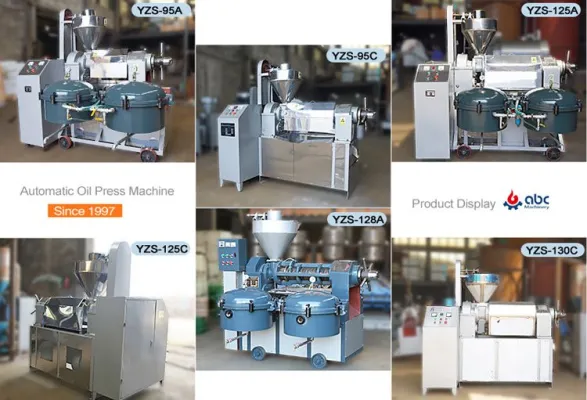
In the competitive landscape of edible oils, sesame oil stands out for its unique flavor profile and health benefits. However, not all sesame oils are created equal. The extraction method significantly impacts the final product's nutritional value, sensory characteristics, and functional properties. This article examines the critical differences between cold pressed and hot pressed sesame oil production methods, focusing on their effects on unsaturated fatty acids and antioxidant retention—key factors driving consumer demand for premium, health-oriented食用油 (edible oils).
Industry Insight: Global demand for cold pressed oils is projected to grow at a CAGR of 6.2% from 2023-2028, driven by increasing consumer awareness of nutritional quality and clean label products (Source: Market Research Future).
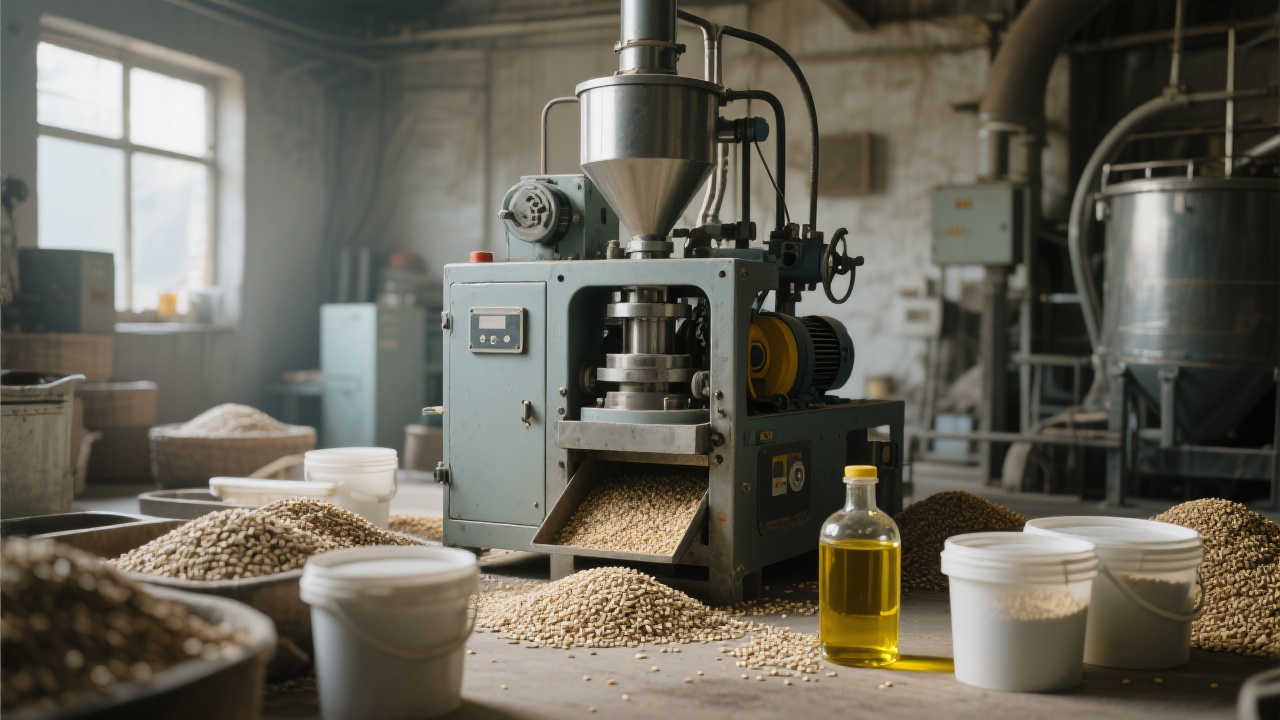
Cold pressed sesame oil is produced using mechanical pressure at temperatures below 49°C (120°F), preserving the oil's natural composition without chemical solvents or excessive heat. This gentle extraction method contrasts sharply with hot pressing, which involves preheating sesame seeds to 120-160°C (248-320°F) before extraction—a process that increases yield but potentially degrades sensitive nutrients.
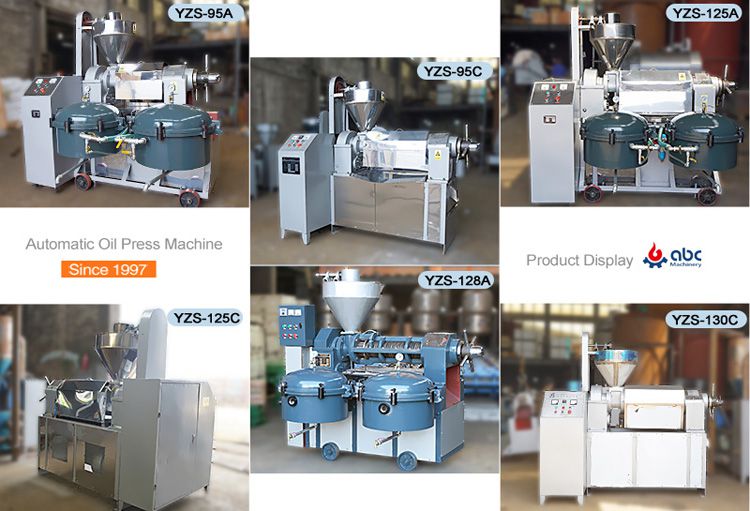
The thermal stability of sesame oil's key bioactive components varies significantly. Research published in the Journal of Food Science and Technology (2022) demonstrated that cold pressed sesame oil retains approximately 37% more vitamin E and 29% higher芝麻素 (sesamin) content compared to traditionally hot pressed varieties. These antioxidants play crucial roles in neutralizing free radicals and supporting cardiovascular health.
| Nutritional Component | Cold Pressed (per 100g) | Hot Pressed (per 100g) | Retention Advantage |
|---|---|---|---|
| Vitamin E | 54.6 mg | 39.8 mg | 37% |
| Sesamin | 12.3 mg | 8.9 mg | 29% |
| Linoleic Acid (Omega-6) | 41.3 g | 38.7 g | 6.7% |
| Oleic Acid (Omega-9) | 40.6 g | 39.2 g | 3.6% |
The nutritional superiority of cold pressed sesame oil translates directly to tangible health benefits. A clinical study conducted at the University of Tokyo (2021) found that participants consuming cold pressed sesame oil experienced a 12% reduction in LDL cholesterol levels over an 8-week period, compared to a 5% reduction with hot pressed oil. Additionally, the higher antioxidant content in cold pressed oil demonstrated 23% greater anti-inflammatory activity in in-vitro testing.
This scientific evidence has fueled consumer demand for cold pressed options. According to a 2023 consumer survey by Innova Market Insights, 68% of health-conscious consumers prioritize cold pressed oils, willing to pay a 20-30% premium for products with proven nutritional retention. For small and medium enterprises, this represents a significant market opportunity to differentiate from commodity oil producers.
Business Opportunity: Health food manufacturers and specialty retailers report 28% higher profit margins on cold pressed oil lines compared to conventional oils, according to industry data from 2022.
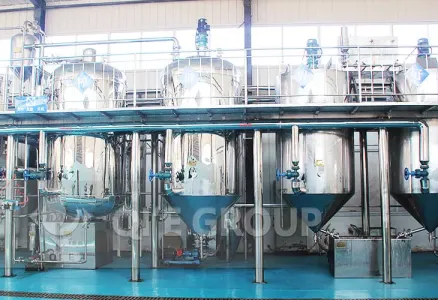
While cold pressing offers nutritional advantages, producers must consider equipment efficiency and production costs. Modern cold press technology, such as the advanced systems offered by 企鹅集团 (QIE Group), has addressed traditional yield limitations. These systems achieve extraction efficiencies of 92-94% compared to 85-88% with conventional cold press equipment, while maintaining temperature control within the critical 45-49°C range.
Energy consumption remains a consideration, as cold pressing typically requires 15-20% more energy than hot pressing. However, this cost is often offset by the premium pricing of cold pressed oils and reduced processing steps, as cold pressed oil generally requires less refining than hot pressed alternatives.

The edible oil industry is witnessing rapid technological evolution, with cold press methods at the forefront of innovation. Emerging techniques such as ultrasonic-assisted cold pressing show promise in further improving yield and nutrient retention. A recent study in the Journal of Agricultural and Food Chemistry indicates that this hybrid approach could increase cold pressed sesame oil yield by an additional 7-9% without compromising nutritional quality.
As consumer demand for clean label, minimally processed foods continues to grow, cold pressed oils are positioned to capture an increasing share of the global edible oil market. For producers willing to invest in modern cold press technology, the potential for market differentiation and premium pricing represents a compelling business case.
Discover how 企鹅集团 (QIE Group)'s cold press technology can help you produce premium sesame oil with maximum nutrient retention and market appeal.
Download Your Free Cold Press Equipment GuideThe choice between cold and hot pressed sesame oil ultimately depends on production goals and target market positioning. While hot pressing offers higher yields and lower production costs, cold pressing delivers superior nutritional quality that resonates with today's health-conscious consumers. As the global market for premium食用油 (edible oils) continues to expand, producers who prioritize nutrient retention through advanced cold press technology will be well-positioned to capture this growing segment.
 340
|
340
|
 multifunctional peanut oil refining equipment
small oil mill refining solutions
food safety compliant peanut oil machinery
multifunctional peanut oil refining equipment
small oil mill refining solutions
food safety compliant peanut oil machinery
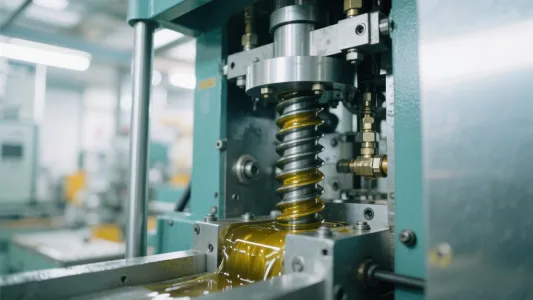 409
|
["eco-friendly peanut oil press"
"medium scale oil extraction machine"
"traditional vs modern peanut oil processing"
"sustainable oil production equipment"
"peanut oil extraction technology"]
409
|
["eco-friendly peanut oil press"
"medium scale oil extraction machine"
"traditional vs modern peanut oil processing"
"sustainable oil production equipment"
"peanut oil extraction technology"]
 112
|
sesame oil market trends
cold pressed sesame oil
sesame oil export opportunities
edible oil processing equipment
sesame oil production technology
112
|
sesame oil market trends
cold pressed sesame oil
sesame oil export opportunities
edible oil processing equipment
sesame oil production technology
 74
|
Sesame Oil Extraction Machine for Small Business
Compact Sesame Oil Press Machine
Energy Efficient Sesame Oil Extractor
High Yield Sesame Oil Press Machine
Affordable Sesame Oil Extraction Equipment
Multi-functional Sesame Oil Extraction Machine
Automated Sesame Oil Press for Small Businesses
Cold Pressed Sesame Oil Machine
Reliable Sesame Oil Production Equipment
Eco-Friendly Sesame Oil Extraction Solutions
74
|
Sesame Oil Extraction Machine for Small Business
Compact Sesame Oil Press Machine
Energy Efficient Sesame Oil Extractor
High Yield Sesame Oil Press Machine
Affordable Sesame Oil Extraction Equipment
Multi-functional Sesame Oil Extraction Machine
Automated Sesame Oil Press for Small Businesses
Cold Pressed Sesame Oil Machine
Reliable Sesame Oil Production Equipment
Eco-Friendly Sesame Oil Extraction Solutions
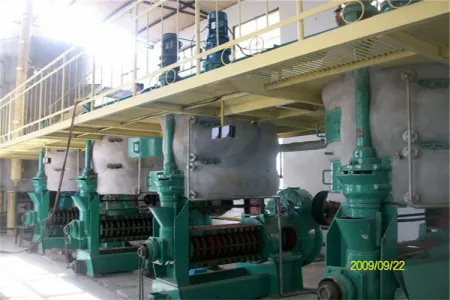 474
|
Commercial Sesame Oil Extraction Machine
Sesame Oil Press Machine
Cold Pressing Sesame Oil Extraction Machine
Hot Pressing Sesame Oil Extraction Machine
Solvent Extraction Sesame Oil Machine
High Yield Sesame Oil Extraction Machine
Durable Sesame Oil Press Machine
Automated Sesame Oil Extraction Equipment
Energy Efficient Sesame Oil Extraction Machines
Sesame Oil Production Solutions
474
|
Commercial Sesame Oil Extraction Machine
Sesame Oil Press Machine
Cold Pressing Sesame Oil Extraction Machine
Hot Pressing Sesame Oil Extraction Machine
Solvent Extraction Sesame Oil Machine
High Yield Sesame Oil Extraction Machine
Durable Sesame Oil Press Machine
Automated Sesame Oil Extraction Equipment
Energy Efficient Sesame Oil Extraction Machines
Sesame Oil Production Solutions