You’ve probably noticed it: your cold-pressed sesame oil loses its rich aroma after just a few weeks—or worse, develops a rancid smell. That’s not just disappointing—it’s a sign you’re missing key steps in oxidation control.
Unlike refined oils, cold-pressed sesame oil retains more nutrients like vitamin E and polyphenols—but these compounds are sensitive to oxygen, light, and heat. Studies show that even with proper storage, unsealed sesame oil can oxidize by up to 30% within 60 days at room temperature (source: Journal of Food Science, 2021).
“I used to think high-heat roasting made better flavor—turns out, it actually accelerates oxidation. Now I roast at 60°C only.” — Sarah, small-scale producer in Thailand
Did you know? Properly stored cold-pressed sesame oil can last 6–9 months without losing its signature nutty aroma—versus just 2–3 months when left in clear plastic containers on kitchen shelves.
These simple changes don’t require expensive tools—just awareness and consistency. You don’t need industrial-grade equipment to make premium-quality oil. Just follow the science.
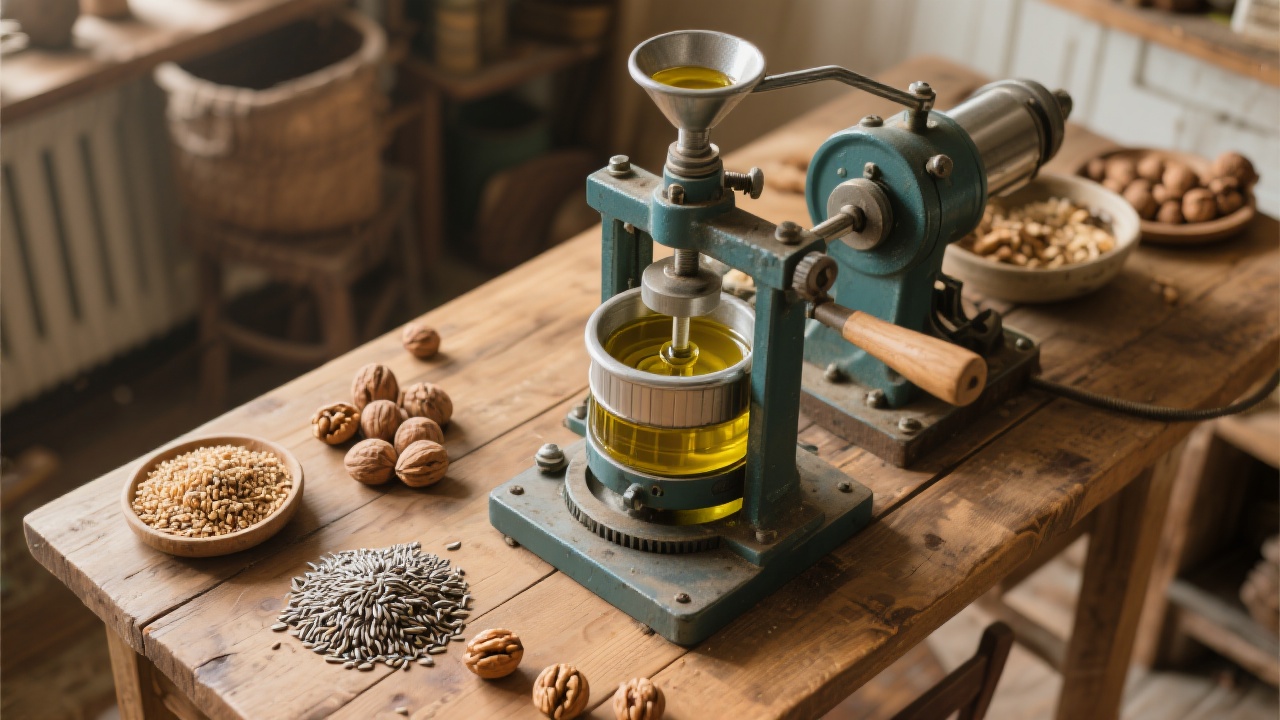
Still unsure how to start? We recommend this compact home cold press machine, designed specifically for beginners who want reliable results without complexity.
Have you ever had your sesame oil go bad too quickly? What do you usually store it in? Share your experience below—we read every comment.

 334
|
334
|
 multifunctional peanut oil refining equipment
peanut oil quality enhancement equipment
eco-friendly refining equipment for small oil mills
multifunctional peanut oil refining equipment
peanut oil quality enhancement equipment
eco-friendly refining equipment for small oil mills
 317
|
Mini Sesame Oil Machine
Sesame Oil Press Machine
Small Sesame Oil Extractor
Compact Sesame Oil Production Equipment
High Yield Sesame Oil Machine
Energy Efficient Oil Press Machine
Food Grade Sesame Oil Machine
Multi-functional Sesame Oil Extractor
Cold Press Mini Sesame Oil Machine
Hot Press Mini Sesame Oil Machine
317
|
Mini Sesame Oil Machine
Sesame Oil Press Machine
Small Sesame Oil Extractor
Compact Sesame Oil Production Equipment
High Yield Sesame Oil Machine
Energy Efficient Oil Press Machine
Food Grade Sesame Oil Machine
Multi-functional Sesame Oil Extractor
Cold Press Mini Sesame Oil Machine
Hot Press Mini Sesame Oil Machine
 467
|
multifunctional peanut oil refining equipment
small oil mill technology
market share impact
467
|
multifunctional peanut oil refining equipment
small oil mill technology
market share impact
 149
|
Sesame Oil Milling Machine Price
Sesame Oil Press Machine
Cold Press Sesame Oil Machine
Hot Press Sesame Oil Machine
Hydraulic Sesame Oil Press Machine
Screw Press Sesame Oil Machine
Sesame Oil Extraction Efficiency
Energy Efficient Sesame Oil Milling
Eco-friendly Sesame Oil Machines
Sesame Oil Production Process
149
|
Sesame Oil Milling Machine Price
Sesame Oil Press Machine
Cold Press Sesame Oil Machine
Hot Press Sesame Oil Machine
Hydraulic Sesame Oil Press Machine
Screw Press Sesame Oil Machine
Sesame Oil Extraction Efficiency
Energy Efficient Sesame Oil Milling
Eco-friendly Sesame Oil Machines
Sesame Oil Production Process
 203
|
cold press sesame oil machine
small scale sesame oil extractor
hot press sesame oil vs cold press
home sesame oil press
sesame oil pressing equipment
203
|
cold press sesame oil machine
small scale sesame oil extractor
hot press sesame oil vs cold press
home sesame oil press
sesame oil pressing equipment







.jpg?x-oss-process=image/resize,m_fill,h_400,w_400/format,webp)
.jpg)