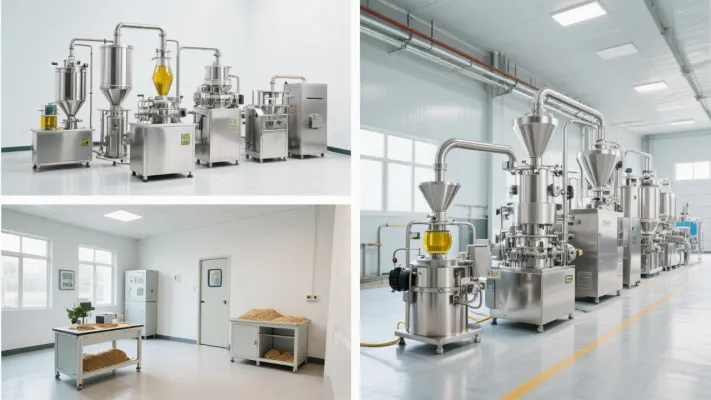
You're not alone if you’ve ever wondered whether sesame oil must be made using high heat — or how to tell if your homemade batch is truly safe and premium. Whether you’re a home kitchen enthusiast or starting a small-scale sesame oil business, understanding the basics of cold pressing can make all the difference in quality, shelf life, and customer trust.
Many beginners assume that “hot” equals “better flavor.” But here’s what experts say: high-temperature roasting can degrade essential nutrients like vitamin E and omega-3s. In fact, studies show that cold-pressed oils retain up to 30% more antioxidants than hot-pressed ones.
| Method | Flavor Profile | Nutrient Retention | Best For |
|---|---|---|---|
| Cold Pressed | Fresh, nutty, clean | High (up to 30% more vitamins) | Health-conscious buyers, B2B food brands |
| Hot Pressed | Smoky, intense | Moderate | Traditional recipes, niche markets |
If you’re targeting export markets—especially in Europe or North America—cold-pressed sesame oil often meets stricter food safety standards. Buyers look for clarity, consistency, and transparency in sourcing and processing. That’s where your process matters most.
Look for raw sesame seeds with:
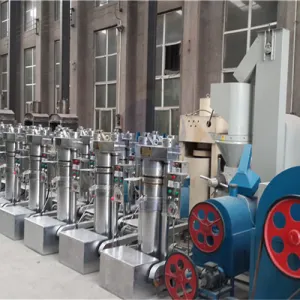
Pro tip: If you’re scaling up from home to small production, consider investing in a manual hydraulic press. One user reported achieving consistent yields of ~28% oil per kg of seed — significantly higher than hand-crank methods.
Oxidation is the silent killer of sesame oil quality. Even if your oil looks perfect today, it may turn bitter in 3 weeks if stored improperly. Here’s how to protect it:
One exporter shared: “After switching to nitrogen-packed packaging, our EU customers stopped rejecting shipments due to off-flavors. Our repeat order rate jumped from 30% to 72% within 6 months.”
This isn’t just about making better oil—it’s about building trust with global buyers who value purity, consistency, and traceability.
Explore Our Cold Press Equipment for Small Producers




.jpg?x-oss-process=image/resize,m_fill,h_300,w_300/format,webp)


.jpg?x-oss-process=image/resize,m_fill,h_400,w_400/format,webp)