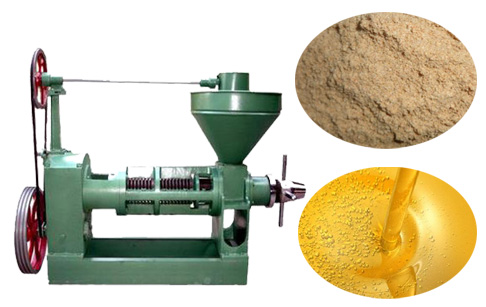
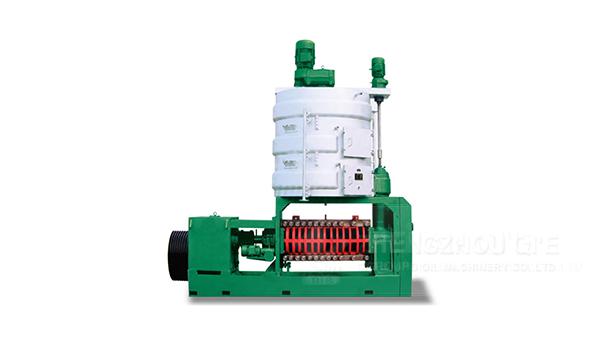
In B2B edible oil sourcing, “cold-pressed” is no longer a decorative label—it is a measurable processing choice that directly affects fatty-acid integrity, antioxidant stability, and final product positioning. When sesame oil is extracted under controlled low temperature and minimal oxygen exposure, its polyunsaturated and monounsaturated fatty acids (especially linoleic acid and oleic acid) are less likely to degrade or oxidize. The result is a cleaner sensory profile, stronger shelf-life potential, and a premium story that aligns with today’s health-driven buyers.
Cold pressing is a mechanical extraction method designed to keep the oil temperature low during pressing—commonly below 45–50°C in well-controlled systems. Hot pressing (or roasting + pressing) intentionally raises seed temperature (often 120–200°C during roasting, depending on tradition and target aroma) to boost yield and strong toasted notes. Those extra degrees matter: unsaturated fatty acids are structurally more reactive, and heat accelerates oxidation, polymerization, and the loss of sensitive micronutrients.
Note: Actual results depend on seed quality, press design, filtration, oxygen exposure, and storage.
Sesame oil is naturally rich in unsaturated fatty acids—often around ~80–85% of total fatty acids, with linoleic acid commonly in the ~35–45% range and oleic acid in the ~35–45% range (varies by cultivar and origin). The challenge is not whether sesame contains these fats—it is whether processing keeps them intact and stable.
Unsaturated bonds react faster under heat, especially when trace metals and oxygen are present. Cold pressing reduces thermal stress, helping maintain a lower formation rate of oxidation markers (commonly measured as peroxide value and p-anisidine value). In practical terms, this supports better sensory stability and a more “fresh seed” profile over time.
Vitamin E is both a nutrient and a natural antioxidant system in oils. Research across cold-pressed edible oils consistently shows that minimizing heat improves tocopherol retention. For sesame oil, maintaining tocopherols helps protect unsaturated fatty acids against early-stage oxidation and supports “naturally protected” product narratives for health-focused markets.
Sesame’s unique differentiation is its lignans—sesamin and sesamolin—often associated with antioxidant behavior and stability support. While roasting can create desirable aroma compounds, a controlled cold press tends to preserve more of the “native” bioactives and reduces the risk of excessive thermal by-product formation.
“For buyers who sell ‘nutrition you can trust,’ controlling temperature and oxygen exposure during extraction is a manufacturing decision—not a branding decision. It directly affects oxidation stability and how confidently a product can be positioned as minimally processed.”
— Common industry guidance from edible oil processing and quality-control practice
The phrase “higher nutrient retention” often feels vague unless it is anchored to measurable parameters. Depending on roasting intensity and exposure time, cold pressing can deliver substantially higher retention of heat-sensitive components (especially some antioxidant fractions), and in many production comparisons the improvement can reach 40–70% for specific markers such as certain tocopherol fractions or antioxidant capacity readings. For decision-stage B2B buyers, the practical takeaway is simple: cold pressing strengthens the ability to support claims like minimally processed, natural antioxidants, and clean-label nutrition—within the boundaries of local regulations.
Ranges are industry-reported reference tendencies across edible oils and sesame comparisons; exact values should be confirmed by lab tests under your chosen parameters.
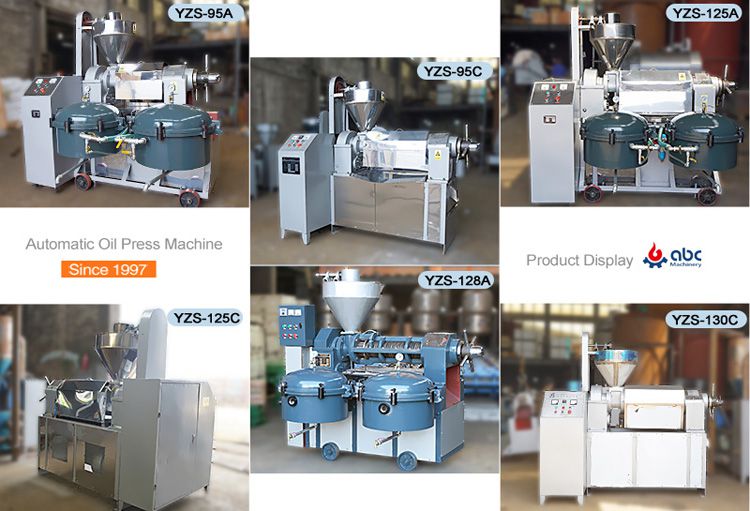
In export markets, product managers and importers often evaluate sesame oil not only as an ingredient but as a functional-positioned pantry staple. Cold pressing supports that narrative because it helps keep the oil closer to its natural composition—especially unsaturated fatty acids, vitamin E, and lignan-related antioxidant activity.
Higher unsaturated fat intake is widely associated with healthier lipid patterns when used to replace saturated fats. Sesame oil’s naturally high oleic/linoleic balance is a strong base for heart-health positioning (subject to local claim regulations).
Sesamin-related research and vitamin E presence drive buyer interest in oxidative stress support. Cold pressing helps maintain these components, which is important for wellness brands targeting “daily protection” messaging.
Vitamin E and unsaturated lipids are frequently used in beauty-from-within storytelling. While direct claims vary by market, importers often request lab data to support content and packaging compliance.
Cold-pressed sesame oil is not only a product—it is a manufacturing strategy for differentiation. For smaller facilities, it can be the most realistic way to enter higher-margin channels without competing purely on commodity pricing.
Cold-press lines are often paired with origin stories (single-region sesame), organic certification pathways, and clean-label packaging. In B2B conversations, that translates into stronger distributor confidence and easier onboarding into specialty retail.
Buyers increasingly ask for reproducibility: batch-to-batch consistency, oxidation markers, and contaminant control. A modern cold-press setup typically supports: temperature monitoring, food-grade contact surfaces, controlled filtration, and cleaner sanitation routines—important for export documentation and retailer audits.
Many premium buyers prefer minimally processed oils. Cold pressing often reduces the need for aggressive refining steps that can strip minor compounds. That matters when a brand’s promise is “what you see is what you get.”
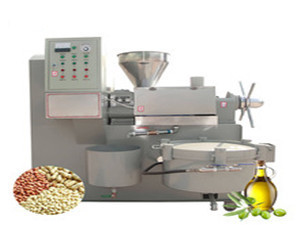
Across North America, parts of Europe, and developed Asia markets, edible oil buyers are tracking a clear shift: consumers increasingly reward products that are minimally processed, transparent, and nutritionally credible. That shift pushes importers and brand owners to look beyond basic sesame oil and request cold-pressed specifications, lab reports, and traceability documents.
Process definition: maximum pressing temperature, whether roasting is used, oxygen-control options
Quality metrics: peroxide value, FFA, moisture/volatile matter, sensory standard
Compliance: allergens labeling guidance, pesticide residues (if organic), food-contact compliance
Packaging: light/oxygen protection strategy (amber glass, coated tin, barrier PET), shelf-life target
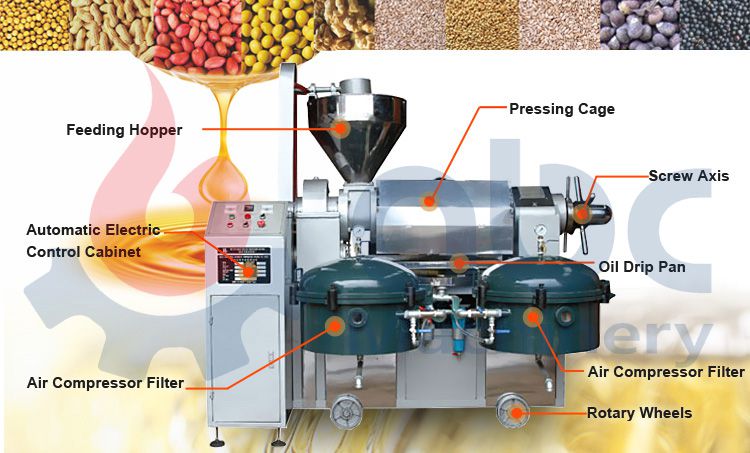
For most B2B buyers, the winning formula is not “any cold press”—it is the right combination of capacity, temperature control, filtration method, and food-grade configuration that matches your target market (organic retail, wellness DTC, ingredient supply, or specialty stores).
Want to match your product positioning with the right small cold press oil machine configuration? Get a practical selection guide covering pressing temperature targets, filtration options, and export-ready QC checkpoints.
Recommended for: brand owners, private-label buyers, small edible oil factories, and health-food processors scaling premium sesame oil lines.
 409
|
409
|
 small palm oil equipment customization
palm oil production line customization
personalized oil pressing equipment
palm oil processing equipment customization
Q Penguin Group palm oil equipment
small palm oil equipment customization
palm oil production line customization
personalized oil pressing equipment
palm oil processing equipment customization
Q Penguin Group palm oil equipment
 50
|
Environmentally-friendly peanut oil extractor
Medium-sized pressing equipment
High-efficiency peanut oil production
Peanut oil equipment for Africa
Agricultural machinery for Europe
50
|
Environmentally-friendly peanut oil extractor
Medium-sized pressing equipment
High-efficiency peanut oil production
Peanut oil equipment for Africa
Agricultural machinery for Europe
 392
|
392
|
 309
|
sesame oil production process
industrial oil extraction methods
oil odor troubleshooting
sesame oil quality improvement
mechanical oil press operation
309
|
sesame oil production process
industrial oil extraction methods
oil odor troubleshooting
sesame oil quality improvement
mechanical oil press operation
 83
|
high-quality peanut oil production process
peanut oil refining techniques
premium grade peanut oil for export
83
|
high-quality peanut oil production process
peanut oil refining techniques
premium grade peanut oil for export