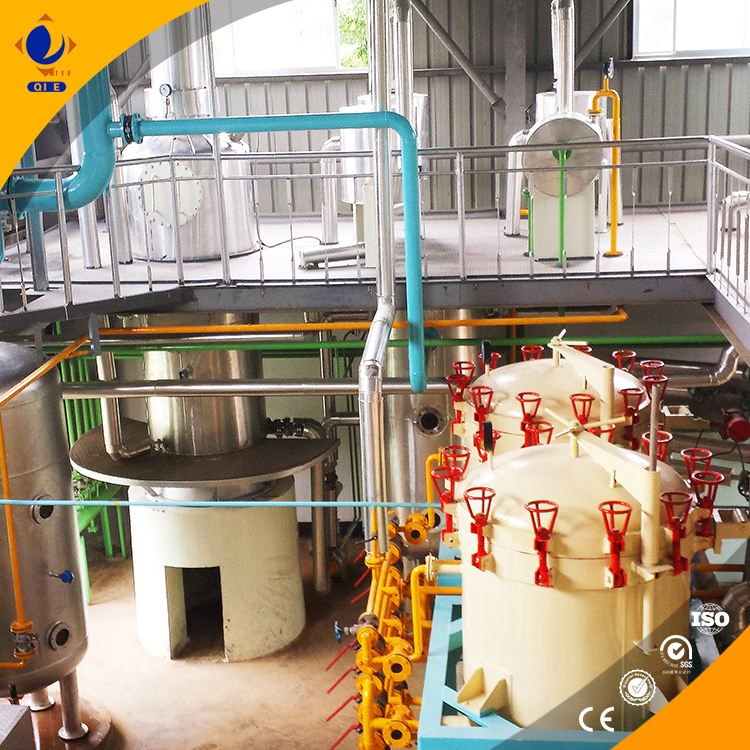
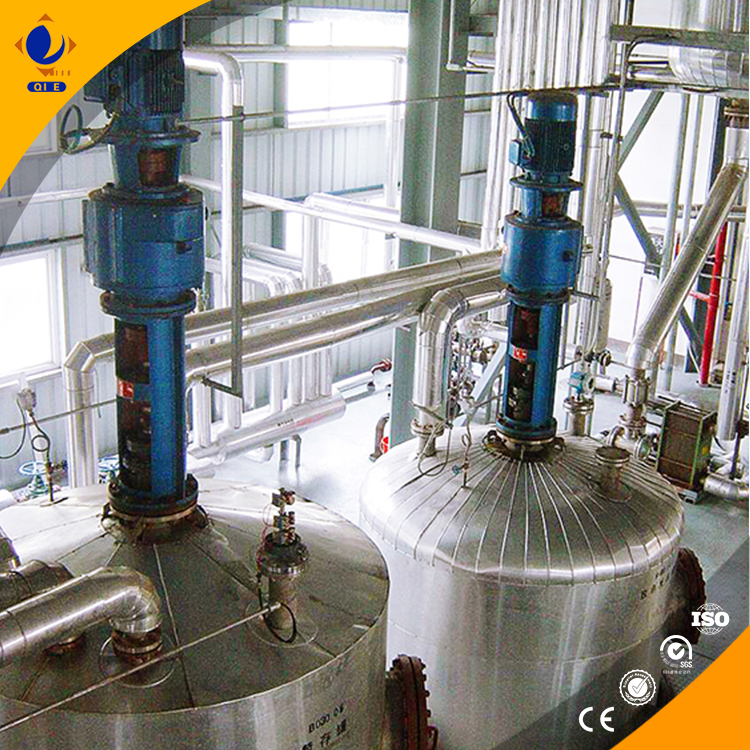
In today’s competitive global food industry, cold-pressed sesame oil has emerged as a premium product renowned for its rich nutrition and subtle flavor. Unlike traditional hot pressing, cold-pressed extraction preserves sesame seeds' natural bioactive compounds by operating at low temperatures, ensuring superior nutritional quality. This article explores the principles behind cold-pressed sesame oil production, compares it with conventional hot-pressed methods, and highlights its scientifically proven health advantages. We also analyze why small enterprises aiming for market differentiation should invest in efficient cold-press equipment to meet evolving consumer demand for authentic, health-focused products.
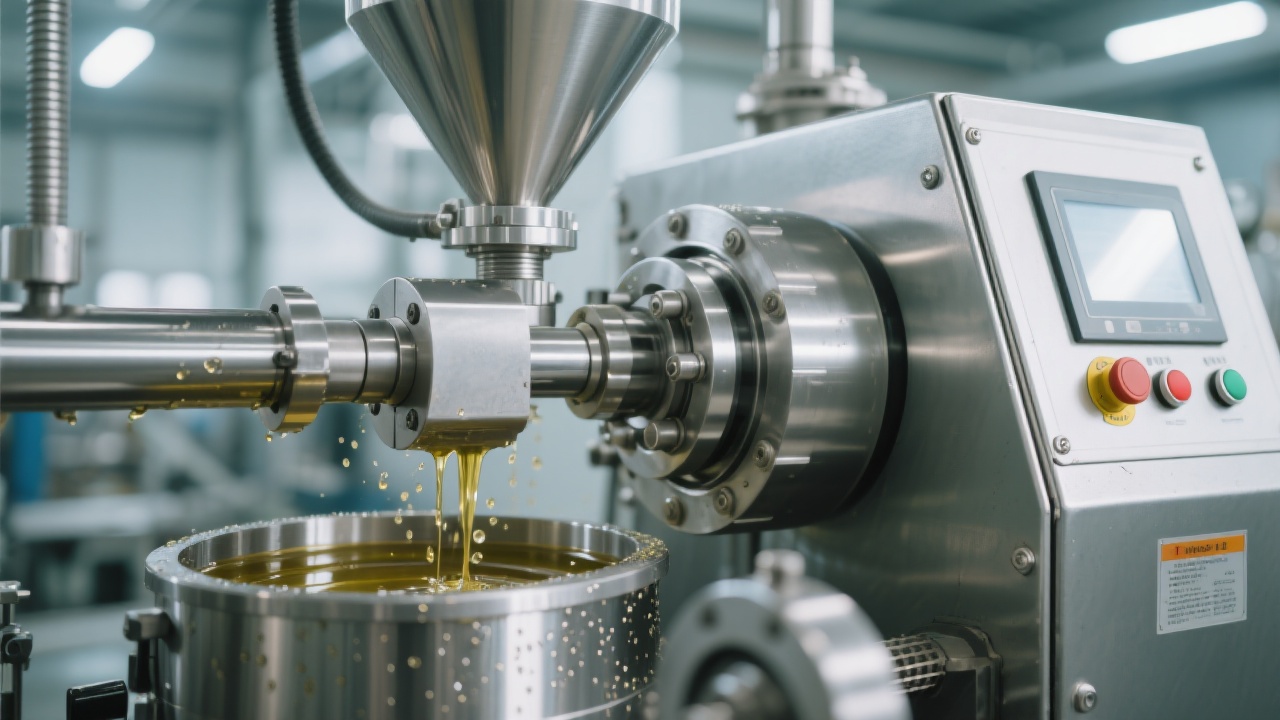
Cold-pressing is a mechanical extraction technique that squeezes oil from sesame seeds at temperatures typically below 50°C (122°F), preventing nutrient degradation. In contrast, hot pressing involves heating seeds above 120°C (248°F) to increase oil yield but at the expense of vital nutrients. The absence of heat in cold pressing helps maintain heat-sensitive bioactives such as tocopherols (vitamin E) and sesamol, both powerful antioxidants.
Compared to hot-pressed sesame oil, cold-pressed oil retains up to 20-30% more unsaturated fatty acids — notably linoleic and oleic acids — which contribute to heart health. Additionally, vitamin E content can be 40-50% higher, reinforcing the oil’s role as a functional food ingredient. This scientific basis positions cold-pressed sesame oil as a superior option for consumers demanding nutritional authenticity.
Scientific studies demonstrate that cold-pressed sesame oil possesses several health-promoting properties:
According to a meta-analysis published in the Journal of Food Science & Technology, the global cold-pressed edible oil market is experiencing an annual growth rate exceeding 8%, fueled by rising awareness of natural and healthful oils. This trend underscores the strategic importance of introducing cold-pressed sesame oil in B2B supply chains.
Consumers’ increasing shift toward clean-label, minimally processed foods drives demand for cold-pressed oils. Small and medium-sized businesses, in particular, benefit from positioning cold-pressed sesame oil as a premium product to command higher price points and deepen brand trust.
Cold-pressed sesame oil taps into multiple market drivers:
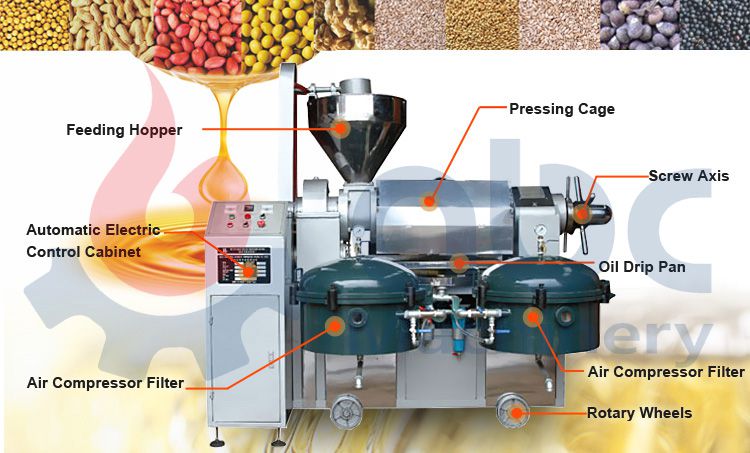
The adoption of modern cold-press machines presents significant operational advantages for small businesses:
These features enable smaller players to swiftly respond to niche market demands and enhance profit margins by producing authentic cold-pressed sesame oil with premium positioning.
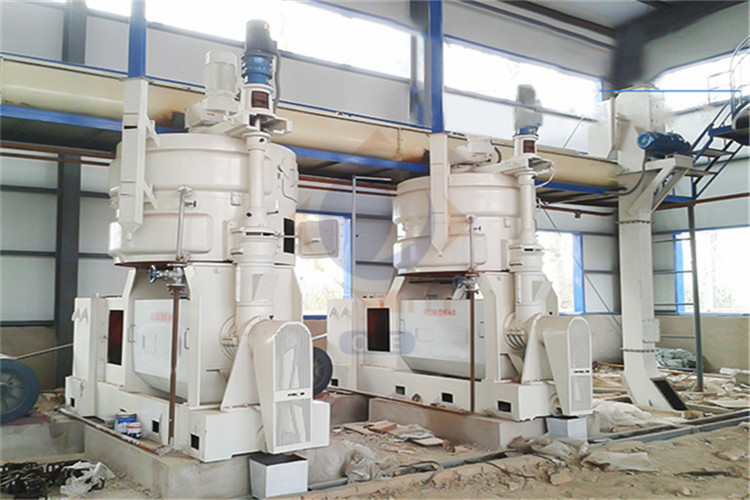
Choosing equipment tailored to your specific business needs involves assessing several factors:
| Criterion | Cold-Press Machine Features | Benefits |
|---|---|---|
| Pressing Temperature | Below 50°C to preserve nutrients | Maximized bioactive retention |
| Automation Level | Semi/fully automatic feeding and extraction | Consistent quality, reduced labor |
| Material Compliance | Food-grade stainless steel construction | Hygiene assurance & regulatory compliance |
| Environmental Impact | Low energy consumption, minimal waste | Cost savings and sustainability |

 174
|
174
|
 oilseed pretreatment processing equipment
efficient vegetable oil production solutions
customized oilseed processing machinery
oilseed pretreatment processing equipment
efficient vegetable oil production solutions
customized oilseed processing machinery
.jpg?x-oss-process=image/resize,h_300,m_lfit/format,webp) 154
|
Penguin Group Seed Preprocessing Line
vegetable oil production solutions
oilseed processing efficiency
154
|
Penguin Group Seed Preprocessing Line
vegetable oil production solutions
oilseed processing efficiency
 32
|
Sesame oil cold pressing process
Hot pressing sesame oil quality
Sesame oil press selection
Small and medium-sized enterprise oil pressing equipment
Sesame oil production process
32
|
Sesame oil cold pressing process
Hot pressing sesame oil quality
Sesame oil press selection
Small and medium-sized enterprise oil pressing equipment
Sesame oil production process
 200
|
Mid-Size Peanut Oil Extractor
Eco-Friendly and Efficient Oil Press
African Market Application
Peanut Oil Production Equipment
Small and Medium-Scale Oil Extraction Equipment
200
|
Mid-Size Peanut Oil Extractor
Eco-Friendly and Efficient Oil Press
African Market Application
Peanut Oil Production Equipment
Small and Medium-Scale Oil Extraction Equipment
 217
|
sesame oil extraction equipment
natural skincare oil formulations
sesame oil for food seasoning
functional edible oils
export quality enhancement
217
|
sesame oil extraction equipment
natural skincare oil formulations
sesame oil for food seasoning
functional edible oils
export quality enhancement