Cardiovascular-friendly lipid profile: As a plant oil, sesame oil typically features a high proportion of unsaturated fats. Cold pressing helps you present this profile with a “minimal processing” story that buyers understand.

If you’re producing sesame oil for premium retail, private label, or export markets, you already know buyers aren’t only comparing taste—they’re auditing process control, nutrition retention, oxidation stability, and documentation. The cold-press method can help you meet those expectations—if you understand what truly drives quality (and what “cold-pressed” does not automatically guarantee).
Did you know…? When oil extraction involves higher temperatures, some antioxidant compounds and aroma-active molecules can drop sharply. Many producers cite losses of 50–70% for certain heat-sensitive antioxidants under aggressive heating conditions—one reason premium buyers keep asking about low-temperature extraction and oxygen exposure control.
In practical export-grade manufacturing, “cold-pressed sesame oil” typically refers to a mechanical pressing process where you manage the system so the oil and press cake remain at relatively low temperatures—often below ~50°C (a threshold frequently used in industry conversations, though definitions vary by market and certification scheme). The goal isn’t just a lower number on paper; it’s to reduce thermal stress that accelerates oxidation and degrades sensitive micronutrients.
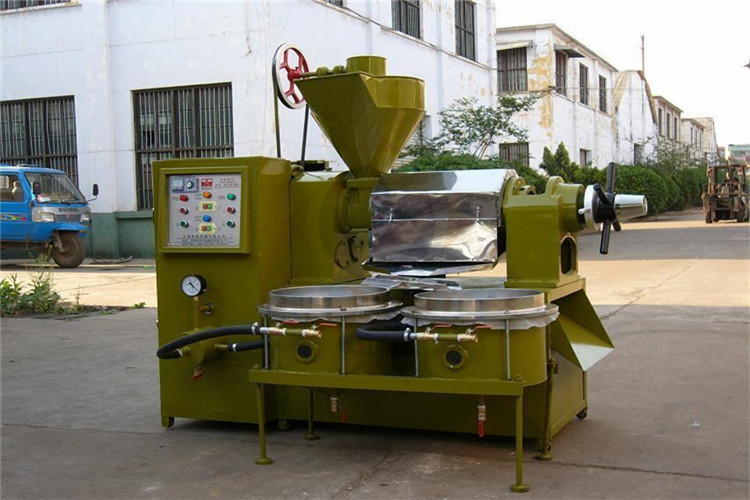
Your buyer may ask for “cold-pressed” because it signals a cleaner label and a more “natural” process. But the technical reason is simple: heat and oxygen accelerate degradation. Sesame oil is valued for its lipid profile (high unsaturated fats) and antioxidant system (notably sesamin, sesamolin, and tocopherols). When extraction becomes too hot, you may see faster loss of these protective compounds, and the oil can shift toward a flatter taste and weaker stability.
Infographic prompt: “Cold Press vs Hot Press” comparison table (use in your product page)
Note: actual outcomes depend on seed quality, press design, residence time, oxygen exposure, filtration, and storage conditions.
If you’re targeting export buyers, this table becomes more than marketing—it’s your internal checklist. When your production logs can back it up (temperatures, batch records, peroxide/acid values), premium positioning becomes much easier to defend.
You should be careful with health claims in export markets, but you can confidently talk about nutritional composition and bioactive components. Sesame oil is widely recognized for its unsaturated fatty acids (especially oleic and linoleic) and naturally occurring antioxidants such as sesamin-related lignans and vitamin E family compounds.
Cardiovascular-friendly lipid profile: As a plant oil, sesame oil typically features a high proportion of unsaturated fats. Cold pressing helps you present this profile with a “minimal processing” story that buyers understand.
Antioxidant positioning (process-based): Lower-temperature extraction can support better retention of tocopherols and lignan-related antioxidants, which are often highlighted in premium food and wellness retail.
Skin & culinary crossover narrative: Buyers often like sesame oil for both food use and external-care traditions. You can frame it as “naturally antioxidant-rich,” while avoiding medical promises.
The commercial point: your buyer’s confidence grows when you connect cold-press processing controls to measurable indicators like peroxide value (PV), free fatty acid (FFA), moisture/volatile content, and sensory cleanliness. In many export conversations, that matters more than vague “healthy” language.
If you’re a small or growing manufacturer, you’re probably balancing three things: premium quality, stable output, and manageable operating complexity. Cold pressing can work in your favor—especially as consumers and importers increasingly ask for clean-label oils with traceability and gentler processing.
You don’t need to “industrialize everything” to win premium orders. You need repeatable controls. A buyer can forgive modest capacity, but they rarely forgive inconsistency—especially across containers and seasons.

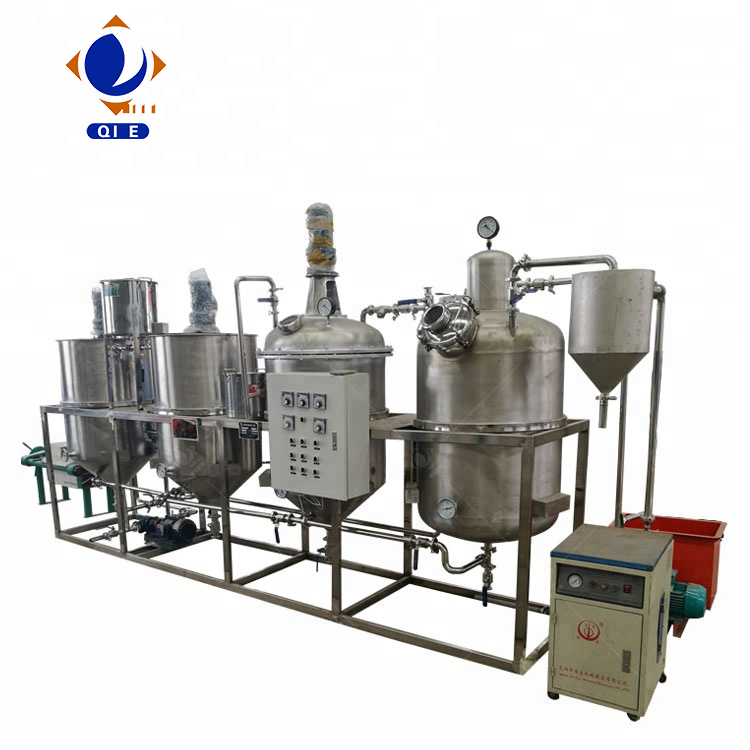
At the decision stage, you’re not just choosing a “small oil press.” You’re choosing a system that can keep your oil within the quality window your buyers pay for. Here’s a practical way to think about the configuration—especially if you’re targeting premium food stores, organic channels, or export distributors.
If you’re wondering whether this is “overkill,” consider how buyers evaluate risk: a stable, documented process can shorten qualification time and reduce price pressure during negotiations.
Cold-pressed sesame oil tends to perform well in channels where the buyer values transparency: ingredient-conscious consumers, specialty retail, organic-aligned product lines, and export buyers who want a clean story with real documentation behind it.
Interactive check:
You’re likely ready for premium/export positioning if you can answer “yes” to at least 4 of these:
If you’re choosing a small cold-press oil machine or upgrading your line for export-grade consistency, get a practical selection checklist—covering pressing temperature control, filtration options, hygiene design, and QC points you can show buyers.
Get the Cold-Pressed Sesame Oil Equipment Selection GuideTip: bring your target capacity, bottle size, and destination market—so you can match equipment specs to real buyer requirements.
Compliance note: always align labeling and claims with your destination market regulations; focus on composition, processing, and measurable quality indicators.

 52
|
52
|
 high efficiency soybean oil refining equipment
automated soybean oil refining equipment
eco-friendly soybean oil refining equipment
ISO9001 soybean oil refining equipment
soybean oil refining equipment for food processing
commercial soybean oil refining equipment
versatile soybean oil refining equipment
soybean oil refining equipment with after-sales service
high yield soybean oil refining equipment
high efficiency soybean oil refining equipment
automated soybean oil refining equipment
eco-friendly soybean oil refining equipment
ISO9001 soybean oil refining equipment
soybean oil refining equipment for food processing
commercial soybean oil refining equipment
versatile soybean oil refining equipment
soybean oil refining equipment with after-sales service
high yield soybean oil refining equipment
 117
|
medium-sized eco-friendly peanut oil extractor
efficient peanut oil extraction equipment
peanut oil extractor for African and European markets
117
|
medium-sized eco-friendly peanut oil extractor
efficient peanut oil extraction equipment
peanut oil extractor for African and European markets
 174
|
medium-sized peanut oil extractor
eco-friendly peanut oil press
small and medium-scale oil production
peanut oil extractor operation tutorial
energy-efficient oil extraction machine
174
|
medium-sized peanut oil extractor
eco-friendly peanut oil press
small and medium-scale oil production
peanut oil extractor operation tutorial
energy-efficient oil extraction machine
 280
|
Mustard oil processing equipment selection
Mustard oil equipment maintenance skills
Mustard oil plant equipment configuration plan
Oil press technical parameters
Mustard oil production optimization suggestions
280
|
Mustard oil processing equipment selection
Mustard oil equipment maintenance skills
Mustard oil plant equipment configuration plan
Oil press technical parameters
Mustard oil production optimization suggestions
 373
|
cold pressed sesame oil process
sesame oil temperature control
sesame oil extraction methods
cold press vs hot press oil
sesame oil production optimization
373
|
cold pressed sesame oil process
sesame oil temperature control
sesame oil extraction methods
cold press vs hot press oil
sesame oil production optimization




.jpg?x-oss-process=image/resize,m_fill,h_300,w_300/format,webp)




.jpg)