
In the competitive landscape of sesame oil production, mastering the right extraction technology can decisively impact product quality, operational efficiency, and market positioning. The debate between cold pressing and hot pressing is critical—each method entails distinct temperature controls, oil qualities, and nutritional outcomes. This guide aims to clarify these technical differences and match production scales from small artisanal setups to large industrial enterprises with optimal extraction equipment solutions.
Sesame oil enjoys robust demand worldwide, valued not only for its rich nutty aroma but also for its health benefits. Extraction technology forms the backbone of oil quality, with cold and hot pressing dominating the market. Selecting the suitable process is a function of desired oil characteristics, production volume, and cost constraints.
Cold pressing sesame seeds involves mechanical extraction below 50°C to preserve delicate nutritional compounds and natural aroma. The workflow includes seed cleaning, crushing at controlled low temperatures, and centrifugal separation of oil from cake. This method retains up to 85% of antioxidants and essential fatty acids, delivering a premium product favored by health-conscious markets.
However, cold pressing typically yields 5–10% less oil compared to hot pressing, which can affect cost-effectiveness at scale.
Hot pressing involves pre-heating sesame seeds to temperatures often exceeding 120°C before mechanical pressing. This thermal treatment enhances oil extraction rates by 12–15%, increasing throughput critical for large-scale industrial producers. The heating, however, leads to a milder aroma and may reduce some heat-sensitive nutrients.
This approach suits producers prioritizing volume and cost-efficiency, especially where downstream refining is standard.

| Parameter | Cold Pressing | Hot Pressing |
|---|---|---|
| Operating Temperature | Below 50°C | 110–130°C |
| Oil Yield (%) | 35–40% | 45–50% |
| Antioxidant Retention | High (~85%) | Moderate (~60%) |
| Aroma & Flavor | Rich, Nutty | Milder |
| Typical Suitable Scale | Small to Medium | Medium to Large Industrial |
Small-scale producers (capacity under 500 kg/day) benefit from compact cold pressing units with manual or semi-automatic operations to maximize oil purity for niche organic markets.
Medium-scale businesses with daily volumes between 500–5000 kg often adopt hybrid systems, combining cold and moderate-temperature pressing to balance quality and yield.
Large industrial players exceeding 5000 kg/day generally prioritize hot pressing equipment integrated with automated feeding, temperature control, and online monitoring for optimized throughput and cost efficiency.
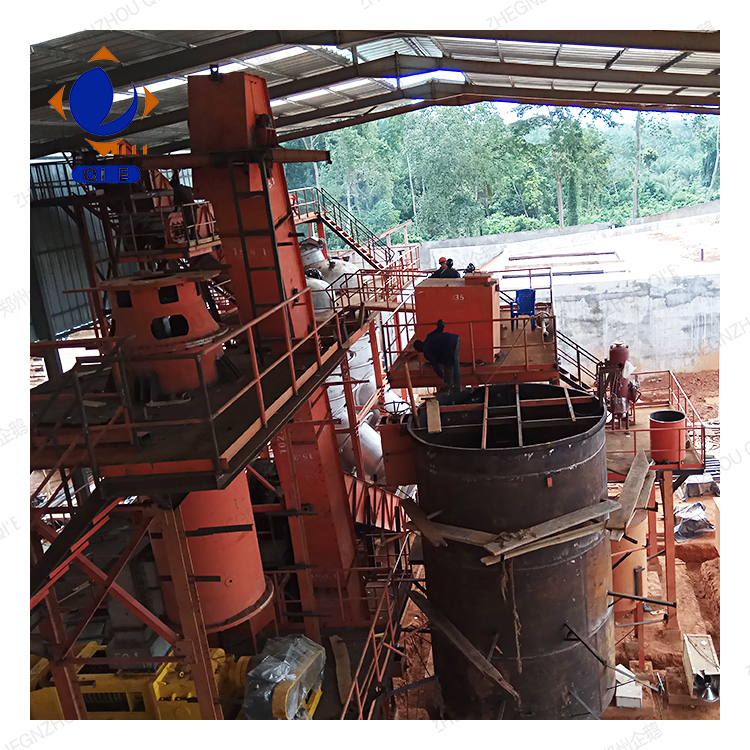
Industry advancements underscore automation upgrades, energy-saving motor systems reducing power consumption by 15–20%, and adoption of environmentally compliant filters and waste management. These evolve alongside process innovations such as enzyme-assisted extraction and vacuum pressing, aiming at maximizing yield while retaining cold pressing benefits.
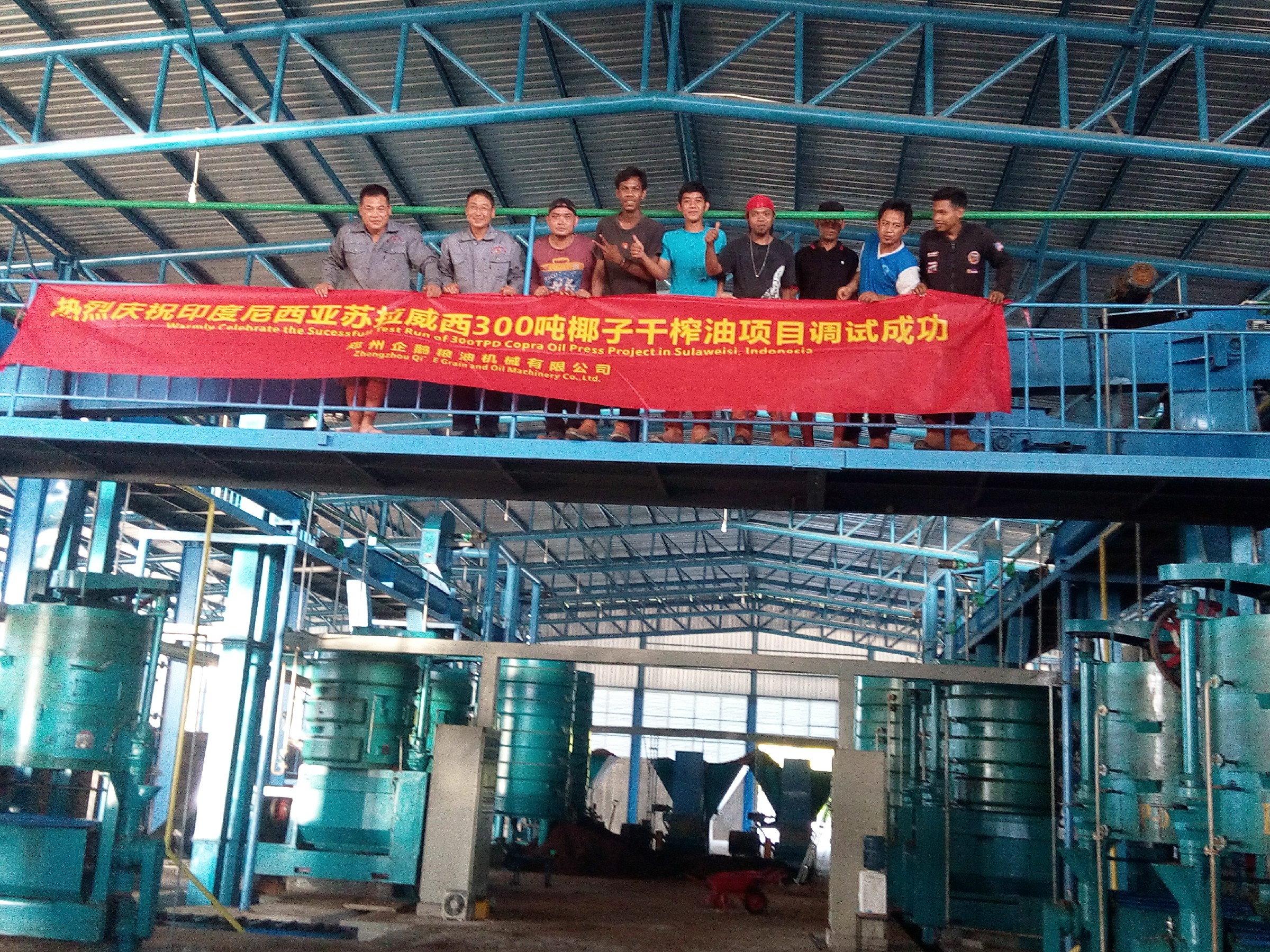
“Choosing the right sesame oil pressing method and equipment tailored to your production scale directly impacts product integrity and profitability.”
What are your specific production goals? Engage with our experts to customize a pressing solution that aligns perfectly with your capacity, product positioning, and market demands.






.jpg?x-oss-process=image/resize,m_fill,h_300,w_300/format,webp)
