As a seasoned player in the sesame oil industry, you know that selecting the right extraction method is crucial—not only for product quality but also for positioning your brand in the global trade arena. This guide delves into the scientific and practical distinctions between cold-pressed and hot-pressed sesame oil, highlighting how each fits different export market demands, and clears up common misconceptions that can hamper your product acceptance abroad.
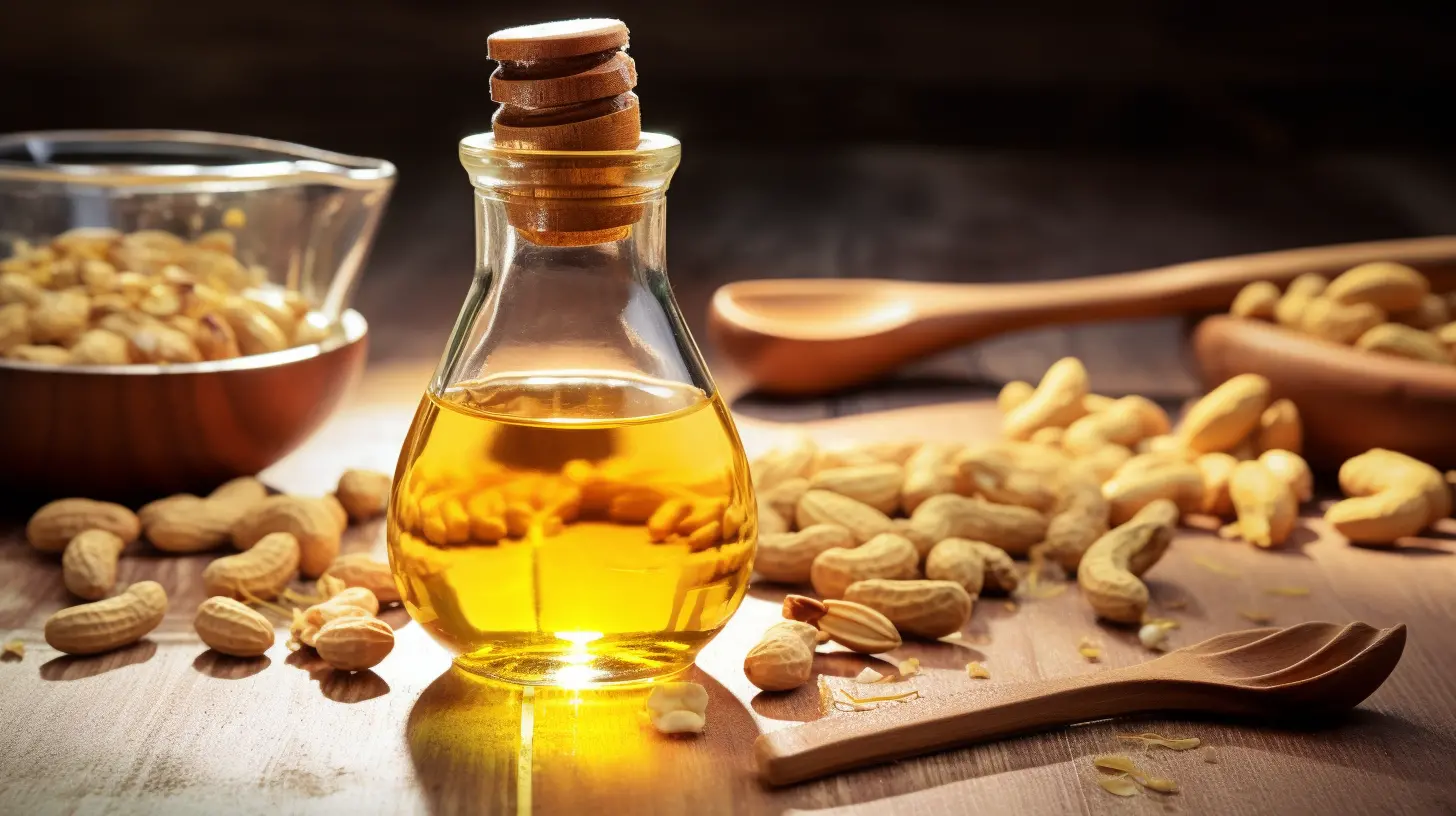
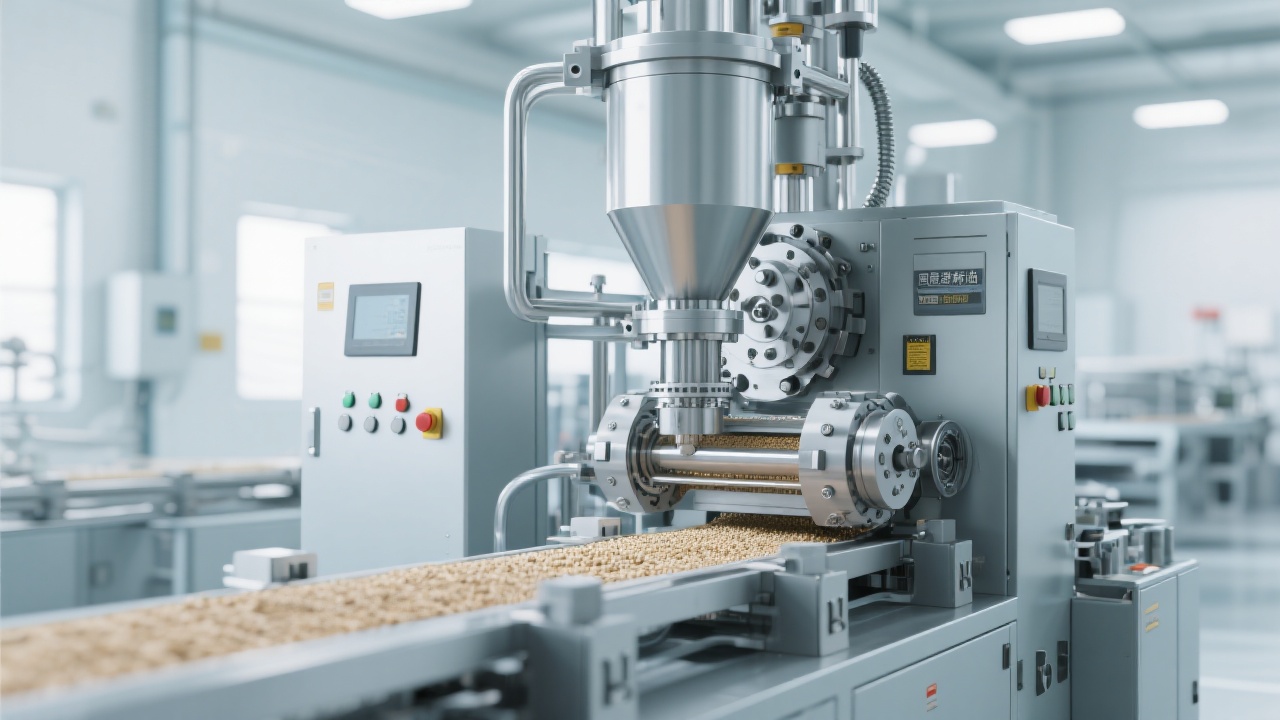
Cold pressing involves mechanically pressing the sesame seeds at a temperature below 50°C (122°F), preserving heat-sensitive nutrients and aromatic compounds. The process typically yields about 35-40% oil content, maintaining a nutty flavor and a golden-clear color. It is ideal for consumers prioritizing health benefits and pure flavor.
Conversely, hot pressing uses seed roasting or heating at 120-180°C (248-356°F) before extraction, which increases oil yield (up to 45-50%) but can degrade some delicate nutrients. The resulting oil has a darker color, a stronger roasted aroma, and a longer shelf life due to natural antioxidants formed during heating.
Cold-pressed sesame oil retains high levels of natural antioxidants like sesamol and vitamin E, making it favored in health-conscious European and North American markets. Its fresh, mild flavor suits gourmet cooking and salad dressings.
Hot-pressed oil's rich flavor and slightly toasted aroma appeal to traditional markets in Asia and the Middle East where intense taste is valued for stir-fries and marinades. Despite heat exposure, the oil still contains beneficial compounds but at reduced potency.
When targeting the international trade arena, understanding consumer expectations by region is key:
A common misconception is that higher yield via hot pressing automatically equals better profitability. However, quality degradation and loss of premium flavor can reduce export competitiveness in health-conscious markets. On the other hand, cold pressing’s lower yield requires meticulous seed selection and process control to ensure economic viability.
If you are operating a home-based or micro-batch production, here are crucial steps to ensure high-quality sesame oil:
Our experience with over 50 small producers reveals that combining rigorous seed quality control with technologically advanced cold pressing raises product value by up to 25% on average in Western markets. Meanwhile, hot-pressed oils with authentic flavor profiles boosted acceptance by 30% in Middle Eastern importers when paired with proper packaging and certifications.
Avoid the common trap of using substandard seeds or overheated pressing, which can cause oil oxidation, off-flavors, or regulatory rejection. Instead, optimize your workflow with periodic oil testing, traceability documentation, and customer feedback integration.
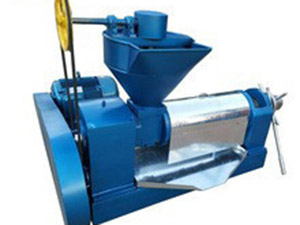
Publishing detailed guides like this enhances your brand’s SEO performance on keywords such as “cold-pressed sesame oil,” “hot-pressed sesame oil,” “home sesame oil production,” “oil press machine,” and “sesame oil export techniques.” Promote these articles on LinkedIn groups and specialized B2B marketplaces to convert targeted traffic into qualified leads.
You can also produce short tutorial videos and infographics on the pressing process and storage tips, amplifying engagement and buyer confidence.

 125
|
125
|
 high efficiency automatic oil press machine
Sesame oil press machine
vegetable oil production equipment
automatic oil press for soybean
oil extraction machine for sunflower seeds
efficient oil press for flaxseeds
industrial oil press machine
energy-saving oil press technology
user-friendly automatic oil extraction
high efficiency automatic oil press machine
Sesame oil press machine
vegetable oil production equipment
automatic oil press for soybean
oil extraction machine for sunflower seeds
efficient oil press for flaxseeds
industrial oil press machine
energy-saving oil press technology
user-friendly automatic oil extraction
 448
|
Sesame Oil Press Machine
Sesame Oil Extraction Machine
Cold Pressed Sesame Oil Machine
Hot Press Sesame Oil Machine
Industrial Sesame Oil Press
Small Sesame Oil Press
Medium Sesame Oil Press
Sesame Oil Production Equipment
Organic Sesame Oil Press Machine
448
|
Sesame Oil Press Machine
Sesame Oil Extraction Machine
Cold Pressed Sesame Oil Machine
Hot Press Sesame Oil Machine
Industrial Sesame Oil Press
Small Sesame Oil Press
Medium Sesame Oil Press
Sesame Oil Production Equipment
Organic Sesame Oil Press Machine
 258
|
medium-sized peanut oil extractor
eco-friendly and efficient oil processing equipment
small and medium-scale oil press machine
peanut oil production solution
green energy production equipment
258
|
medium-sized peanut oil extractor
eco-friendly and efficient oil processing equipment
small and medium-scale oil press machine
peanut oil production solution
green energy production equipment
 71
|
oilseed preprocessing technology
equipment for increasing edible oil yield
comprehensive service in oilseed processing
71
|
oilseed preprocessing technology
equipment for increasing edible oil yield
comprehensive service in oilseed processing
 69
|
multifunctional peanut oil refining equipment
food safety compliant refining technology
equipment for industrial and small-scale oil production
69
|
multifunctional peanut oil refining equipment
food safety compliant refining technology
equipment for industrial and small-scale oil production







.jpg?x-oss-process=image/resize,m_fill,h_400,w_400/format,webp)