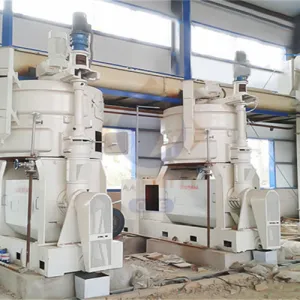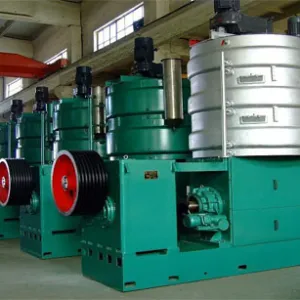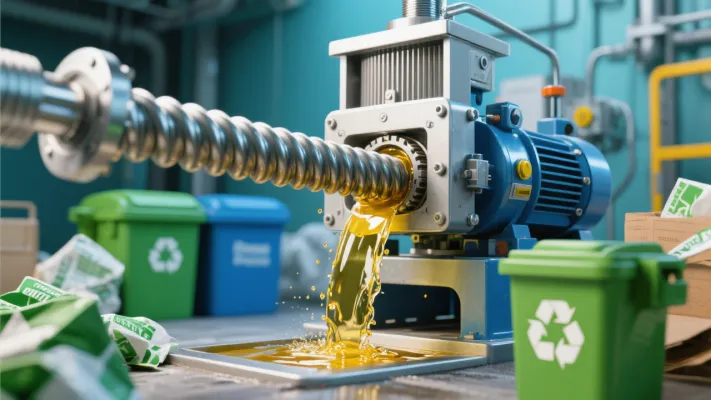
Don’t let the wrong sesame oil press equipment stall your entrepreneurial journey! Choosing the ideal machine for small-scale operations isn’t just about output volume—it’s about preserving the authentic flavor and nutrition of your oil. Whether you're running a family workshop or launching a start-up, understanding cold pressing and hot pressing techniques is crucial. Let’s dive into the technical face-off between cold-pressed and hot-pressed sesame oil equipment, tailored to capacity ranges from 100 to 500 kg/h.
Small sesame oil machines often vary widely in output. A capacity between 100 kg/h to 500 kg/h commonly serves local producers or boutique brands. Your choice hinges on your projected daily oil demand, raw material availability, and workspace constraints. For example, a 100 kg/h press is perfect for a family business wanting artisanal cold-pressed oil, while a 500 kg/h machine suits a budding commercial venture preparing for expansion.
The heart of your decision lies in this: cold pressing retains more nutrients by keeping temperatures below 50°C, resulting in richer aroma and delicate flavors. Conversely, hot pressing often heats sesame seeds to 100°C or more, increasing yield but risking nutrient loss.
| Feature | Cold Press | Hot Press |
|---|---|---|
| Processing Temperature | Below 50°C | Above 100°C |
| Nutrient Retention | ≥ 95% | ~ 70-80% |
| Flavor | Rich, aromatic, delicate | Stronger but less natural |
| Oil Yield | ~ 18-20% | ~ 22-24% |
| Equipment Complexity | Simpler, fewer heating parts | Requires temperature controls & maintenance |
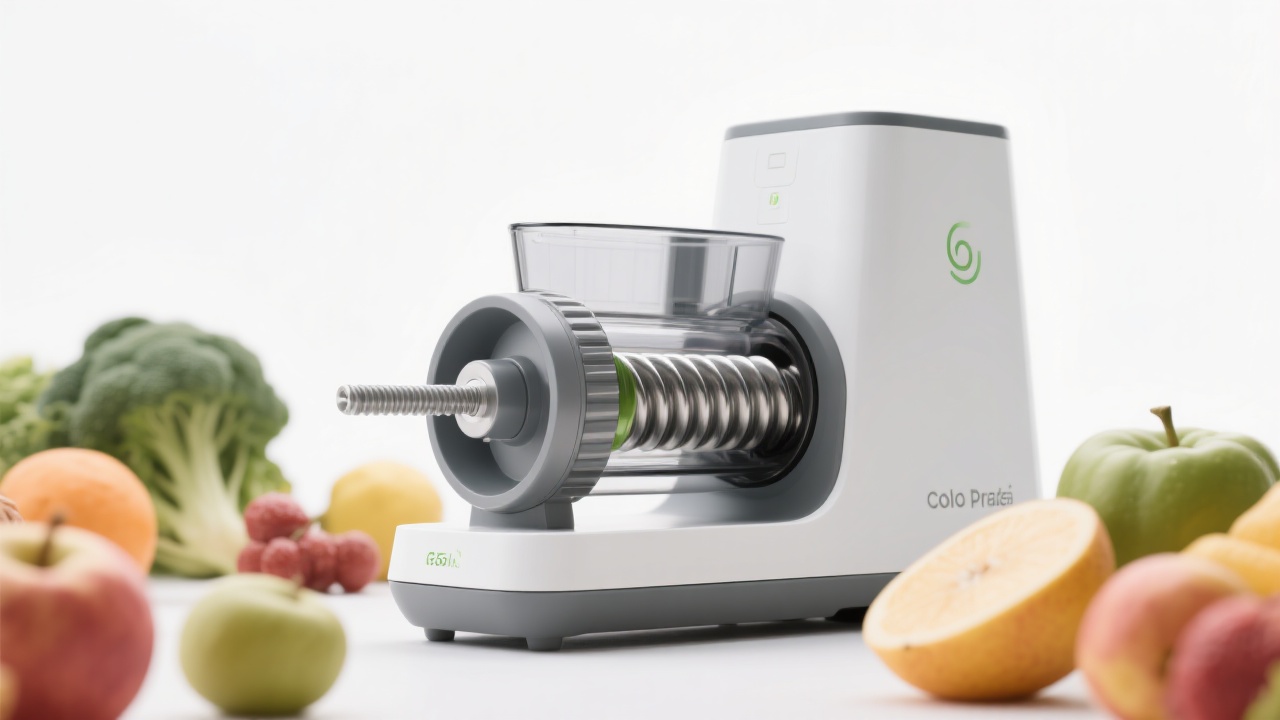
Cold-press machines typically integrate high-torque, energy-efficient motors that are designed for steady, slow extraction to prevent heat buildup. Many users report over 20% increase in oil quality due to this micro-adjustment in speed control.
Hot-press machines often employ more powerful motors but require constant monitoring to regulate heating, making the operation slightly more complex—especially for new operators. To simplify workflow, look for models featuring automated temperature sensors and emergency stop functions that enhance safety.
Maintaining cleanliness is critical for food-grade oil production. Cold press equipment generally has fewer residues, resulting in less frequent cleaning cycles. Hot pressing involves sticky residues that require more rigorous daily scrubbing.
“Switching to a cold press machine cut our cleaning time nearly in half and raised our oil’s freshness, which our customers immediately noticed.” – Maria, Family Oil Producer, Spain
Safety elements to prioritize include thermal overload protection, sealed electrical components, and non-slip base frames. Common faults, such as motor stalling or seed blockages, are minimized with quality machines offering automated alarms and easy-access inspection windows.
An ideal machine comes with a comprehensive troubleshooting manual and a practical self-checklist so you can swiftly distinguish normal wear from critical faults.
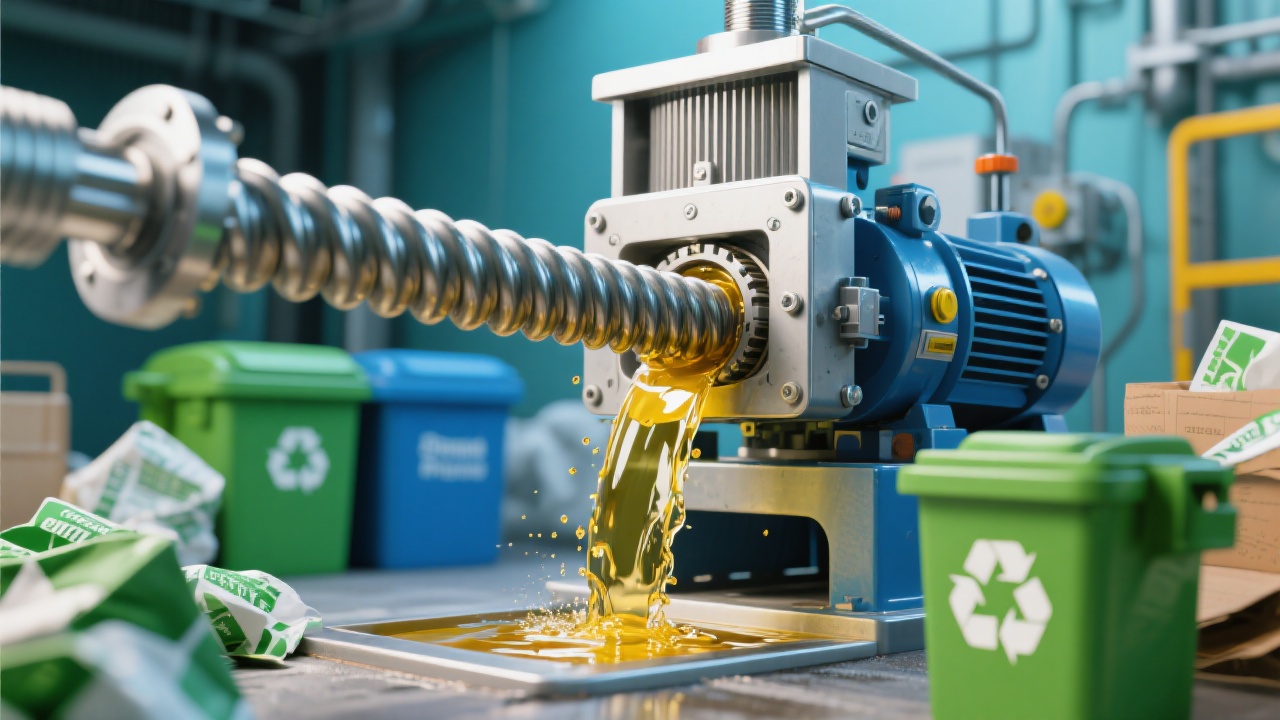
Remember, your sesame oil equipment is more than metal and motors—it’s the foundation of your craftsmanship and brand reputation. A scientific selection approach ensures you avoid costly mistakes while uplifting product quality. Embrace a mindset shift from “blind purchase” to “informed investment,” where your machine supports sustainable growth, not just short-term output.
Every business and kitchen is unique. Our team specializes in personalized consultation to match your production volume, budget, and oil quality goals. Don’t let trial and error slow down your progress.
Discover Your Ideal Sesame Oil Machine Today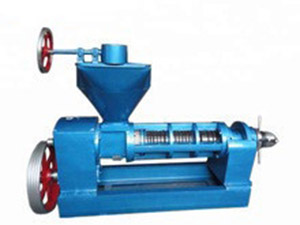
What’s your biggest challenge in choosing between cold press and hot press sesame oil machines? Share your experience or ask your questions below — let’s build a community of smart producers!