Understanding Cold-Press Technology and Its Impact on Oil Purity
Key Insight: Cold-press extraction preserves sesame oil's natural antioxidants and nutrients by avoiding heat-induced degradation, directly impacting oil quality.
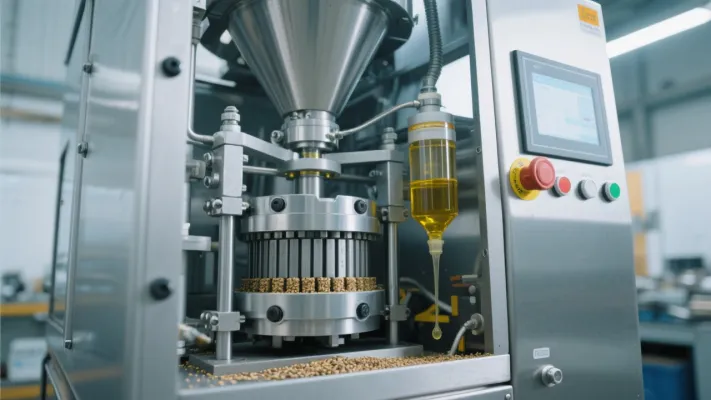
Cold-press technology operates by mechanically pressing sesame seeds without excessive heat, typically maintaining temperatures below 50°C. This temperature restraint is pivotal in preserving the oil's essential fatty acids, vitamins, and antioxidants such as sesamol, which confer health benefits and enhance shelf-life. Conventional hot extraction methods often expose the oil to high heat (100°C+), leading to quality deterioration and nutrient loss.
For small-scale operations, leveraging cold-press machines tailored for low-temperature processing means the resultant sesame oil commands premium market pricing due to its superior purity and flavor profile.
Key Performance Metrics: Extraction Efficiency & Operational Simplicity
Extraction efficiency measures the percentage of oil extracted from the raw sesame seeds; a vital indicator for profitability. Industry benchmarks for efficient cold-press sesame oil machines hover around 35% to 40% extraction rates, with well-configured equipment reaching up to 42% depending on seed quality.
Machine design plays a crucial role in operational ease: features such as automatic feeding systems, adjustable screw speeds, and user-friendly interfaces reduce labor intensity and training time. QIE Group’s models emphasize quick disassembly for cleaning and maintenance, essential for minimizing downtime and contamination risks.
Material Quality & Maintenance: Durability Meets Hygiene
Stainless steel (316 grade or higher) is the preferred material for machine parts in direct contact with seeds and oil, resisting corrosion and ensuring food-grade safety. Regular maintenance routines — including lubrication, wear inspection, and filter replacement — significantly impact machine lifespan. Pengiun Group’s technical references recommend scheduled maintenance every 500 operational hours to sustain optimal performance and reduce unexpected breakdowns.
Optimizing Production Line Efficiency: The Role of Seed Cleaners and Filter Presses
Integrating seed cleaning machines upstream ensures the removal of impurities such as stones, dust, and husks, improving oil yield and protecting the pressing unit from damage. Typically, a seed cleaner can elevate raw material quality by removing up to 98% of debris.
Downstream, filter presses play a critical role in purifying cold-pressed sesame oil by removing fine particulates and sediment, enhancing clarity and shelf-life. Modern filter presses with automatic cake discharge and pressure monitoring optimize throughput with minimal manual intervention.
Case Study: Small Enterprise Boosts Output by 25% with Integrated Equipment
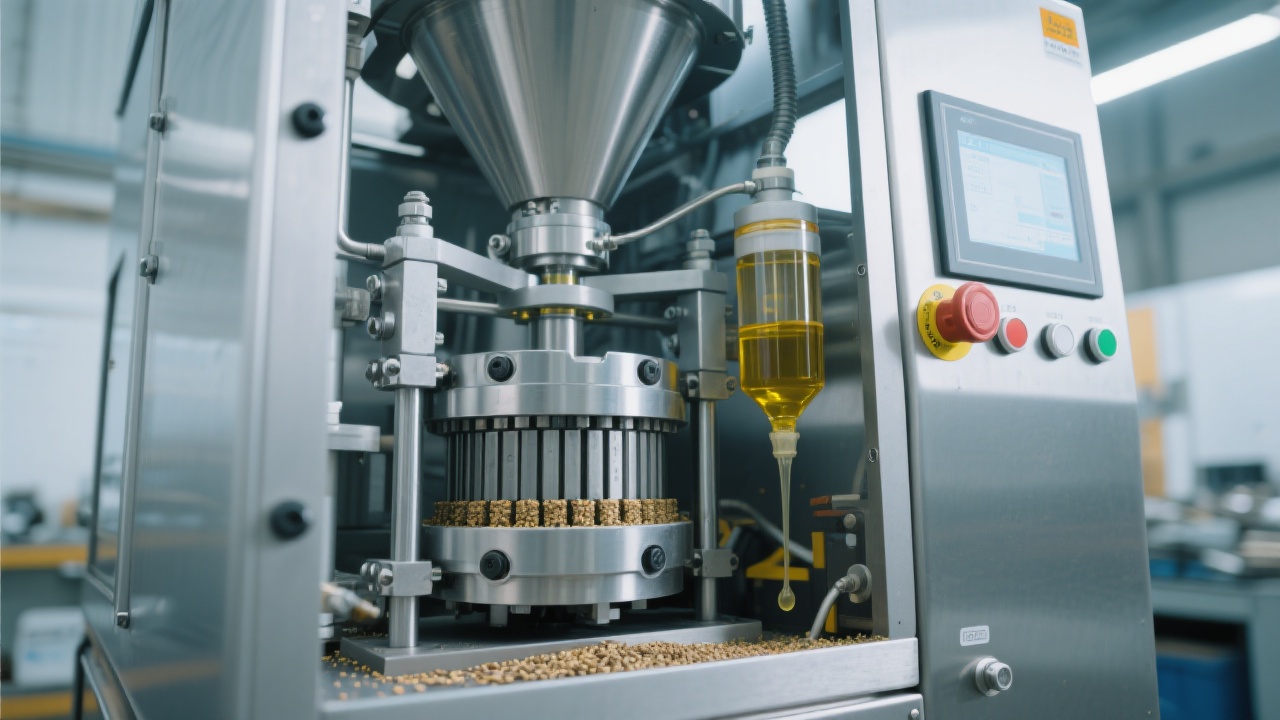
A recently accredited sesame oil producer in Southeast Asia achieved a 25% boost in daily oil output by replacing an outdated screw press with an advanced cold-press machine equipped with automated seed cleaning and filter press systems. The investment led to a higher oil purity rating (>99.5%) verified by third-party labs, enabling the brand to secure premium export contracts.
Choosing Correct Spare Parts & Ensuring Longevity
Meticulous selection of spare parts — including high-grade pressing screws, gearboxes, and seals — directly impacts operational consistency. QIE Group advises using manufacturer-certified components to avoid malfunctions that cause costly downtime. Aligning with OEM maintenance guidelines is key to extending machine lifespan beyond 7 years with proper care.


.jpg?x-oss-process=image/resize,m_fill,h_300,w_300/format,webp)