Technical Insight for Decision-Stage Buyers
Low-temperature, oxygen-limited cold pressing has become a practical route for producing premium sesame oil with a “clean-label” story—without sacrificing efficiency. The key question is no longer whether cold pressing preserves nutrition, but how modern high-efficiency cold press sesame oil machines keep temperatures stable and minimize oxidation while maintaining a reliable yield.
1) Cold Pressing: The Core Principle (and What It Does Differently from Hot Pressing)
In technical terms, cold pressing is a mechanical oil extraction process designed to keep the oilseed mass at a relatively low temperature during pressing, often targeting a working range of about 35–55°C depending on seed moisture, press configuration, and throughput. Traditional hot pressing commonly involves roasting or higher-temperature conditioning that can push the process above 90–150°C, which accelerates oil flow—but also speeds up oxidation and degradation of heat-sensitive compounds.
For sesame oil, the difference is practical and visible: cold pressing tends to produce a lighter, cleaner aroma with a fresh seed character, while hot pressing can yield a stronger roasted profile. Neither is “wrong”—they serve different markets. But when consumers are actively seeking natural, minimally processed, nutrient-forward oils, low-temperature extraction becomes a strategic advantage.
Expert Note (Industry Consensus): Oxygen exposure and temperature are two major levers affecting oxidation rate in edible oils. Reducing both during extraction typically helps preserve sensory quality and extends the time before rancid notes appear.
2) How “Low-Temperature, Low-Oxygen” Extraction Protects Sesame Oil Nutrition
Sesame oil is naturally rich in valuable components such as unsaturated fatty acids (notably oleic and linoleic acid), tocopherols (vitamin E), and lignans like sesamin and sesamolin. These compounds contribute to both nutrition and shelf stability—yet they are also vulnerable to heat and oxidation during processing.
2.1 Temperature control: slowing down degradation kinetics
Many antioxidants and minor bioactives tolerate moderate warmth, but higher temperatures can accelerate breakdown and promote off-flavors. In practice, a well-designed cold press system helps reduce thermal spikes caused by friction and compression—so the oil exits the press with less exposure to conditions that can reduce tocopherol activity or shift aroma toward cooked notes.
2.2 Oxygen management: minimizing oxidation at the source
Oxidation begins the moment oil meets oxygen—especially when tiny droplets are spread across warm metal surfaces. Low-oxygen extraction focuses on reducing air contact in critical zones (feeding, pressing, and oil discharge), which can reduce formation of early oxidation markers. For buyers evaluating quality, one commonly used indicator is peroxide value (PV). While final numbers depend on storage, filtration, and raw seed quality, premium cold-pressed oils often aim for a low starting PV (for example, below 5–10 meq O2/kg) to support a longer “fresh-tasting” window.
Suggested Infographic: Cold Press vs Hot Press (Nutrition & Oxidation)
Note: Final nutrition and PV/AV depend on seed freshness, storage, filtration, and packaging (light/oxygen barriers).
3) Real-World Payoff: Better Flavor, Higher Perceived Value, and Fewer Quality Complaints
In B2B terms, “nutrition retention” is not only a label claim—it becomes a quality management tool. When oxidation starts lower, producers often report fewer returns related to rancid smell, harsh aftertaste, or inconsistent batches. For small and mid-sized processors, this consistency can be the difference between selling one-time bottles and building repeat wholesale accounts.
A useful way to think about it: if a hot process creates a wider spread in aroma and color from batch to batch, buyers may need more blending or tighter incoming QC. A stable cold press process can reduce that variability—helping a brand scale from local retail to foodservice and export channels where specifications are strict.
.jpg)
Buyer Lens: What “Premium” Often Means in Tender Specs
- Lower initial oxidation indicators (PV/anisidine) and stable sensory profile
- Traceable process controls (temperature logging, food-contact materials)
- Clean filtration strategy without over-processing
- Packaging readiness (nitrogen flushing, dark glass, barrier pouches)
4) Equipment Design That Makes Cold Pressing Stable (and Food-Safe)
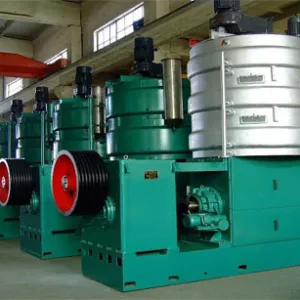
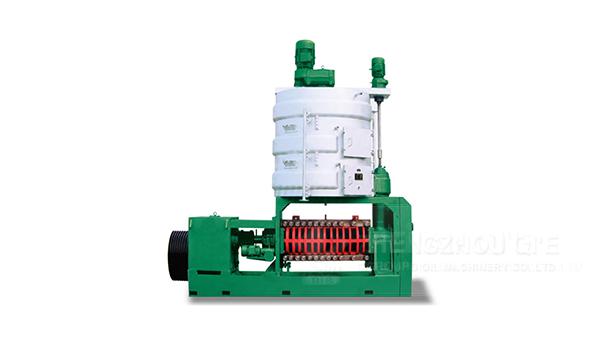
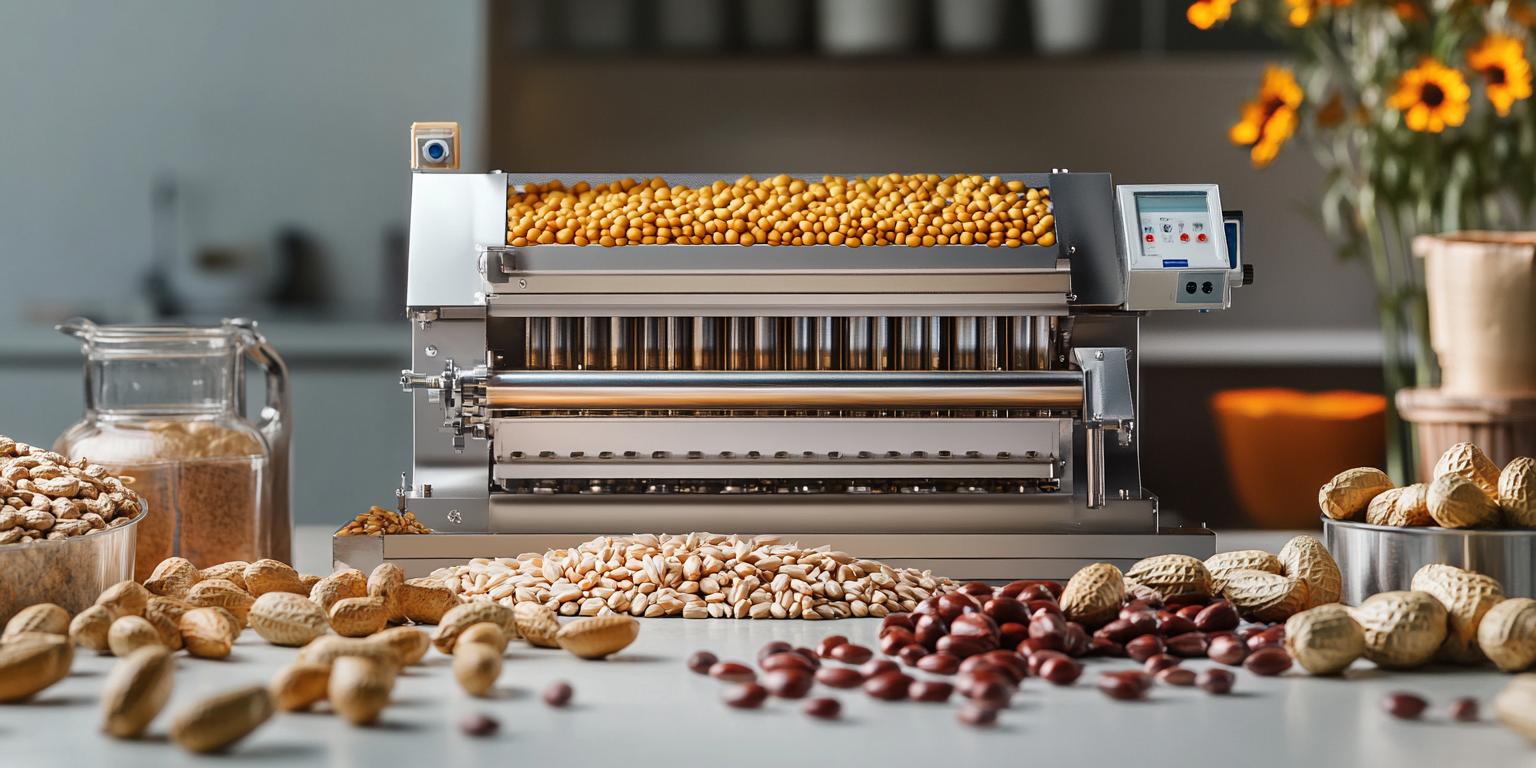
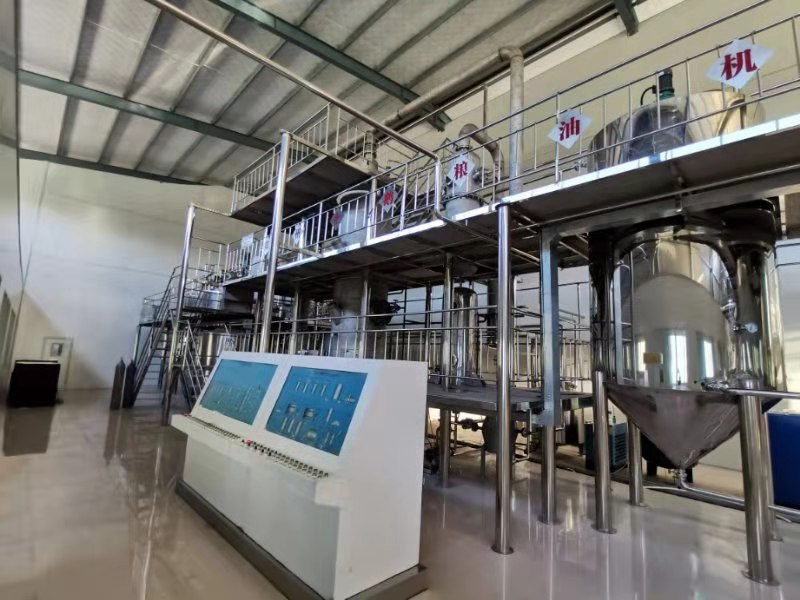
“Cold press” is a promise—but the machine design is what makes it repeatable. A high-efficiency cold press sesame oil machine typically combines mechanical strength with fine process control so the operator can hold the line on both temperature and oxygen exposure.
4.1 Low-temperature stability without sacrificing throughput
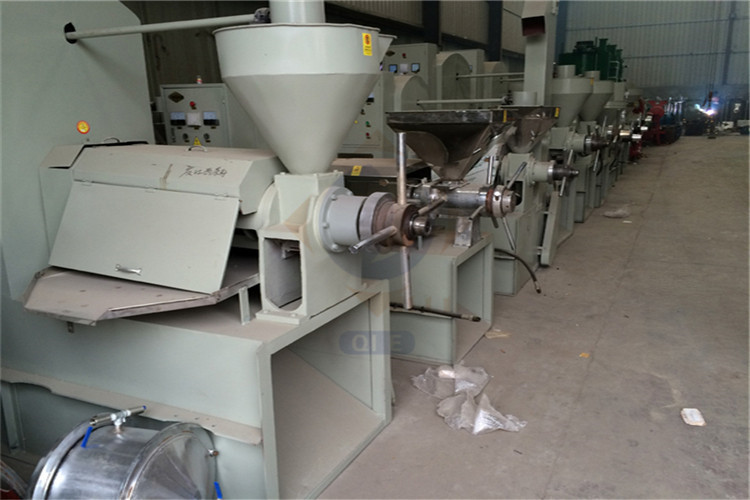
Temperature rises mainly from friction and compression. Designs that support stable low-temperature operation commonly include optimized screw geometry, controlled press chamber clearance, and heat-dissipation strategies. In practical production, this means less need to “push” seeds through aggressively—reducing the risk of overheating that can dull delicate sesame notes.
4.2 Oxygen-limited zones and clean oil discharge
Low-oxygen extraction is often achieved by minimizing open-air mixing points and keeping oil flow enclosed from the press outlet to the collection tank. When combined with short transfer lines and clean seals, the oil spends less time interacting with oxygen and warm surfaces—two classic triggers for early oxidation.
4.3 Food safety: materials, cleaning, and contamination control
Decision-stage buyers should look for clear specifications on food-contact stainless steel (commonly 304 or 316 where applicable), smooth welds, and a structure that supports quick disassembly for cleaning. Cold pressing can amplify the “natural” story, but hygiene is what protects the brand when production scales.
5) Sesame Varieties, Yield Differences, and the “Flexible Economics” of Cold Pressing
Not all sesame seeds behave the same. White sesame, black sesame, hulled, unhulled, and different regional crops can vary in moisture, oil content, and press behavior. As a reference, sesame seed oil content often falls around 45–55% (variety and harvest dependent). Cold pressing typically produces a lower yield than aggressive hot pressing, but it often creates a higher-value product with stronger market positioning.
Practical Yield Reference (for Planning)
These ranges vary with moisture control, seed freshness, press settings, and filtration losses. For investment planning, many processors also evaluate the value of press cake for feed or ingredient applications.
This is where “flexibility” becomes economic: a multi-function cold press system that can handle different sesame grades (and potentially other oilseeds) helps producers respond to seasonal raw material shifts, new private-label opportunities, and changing consumer taste preferences—without rewriting the entire production line.
6) Decision-Stage Checklist: What to Validate Before You Buy
If the target is premium cold-pressed sesame oil with stable quality, buyers typically validate process capability rather than relying on a single brochure claim. The most useful evaluation is a seed trial with measurable outputs.
Quick Validation Points (Request These in a Test Run)
- Temperature record at key points (feed zone / press chamber / oil outlet)
- Oil clarity strategy (settling vs filtration) and expected oil loss
- PV baseline after pressing + filtration (and how oxygen exposure is minimized)
- Cleaning time and access to food-contact areas
- Throughput stability across different sesame lots (white/black, hulled/unhulled)
With those results, it becomes easier to forecast not just yield, but brand outcomes: consistent sensory profile, fewer customer complaints, and the ability to justify premium positioning in retail or foodservice contracts.
Ready to Upgrade Your Cold-Pressed Sesame Oil Line?
For producers who want stable low-temperature pressing, oxygen-conscious extraction, and food-safe design that supports scale, the right equipment choice makes the difference in day-to-day quality and long-term brand value.
Tip: Ask for a sesame seed trial plan with temperature logs and oxidation indicators to compare models on real results, not assumptions.